
Exploring the Neighborhoods: Row after Row of decayed vacancy
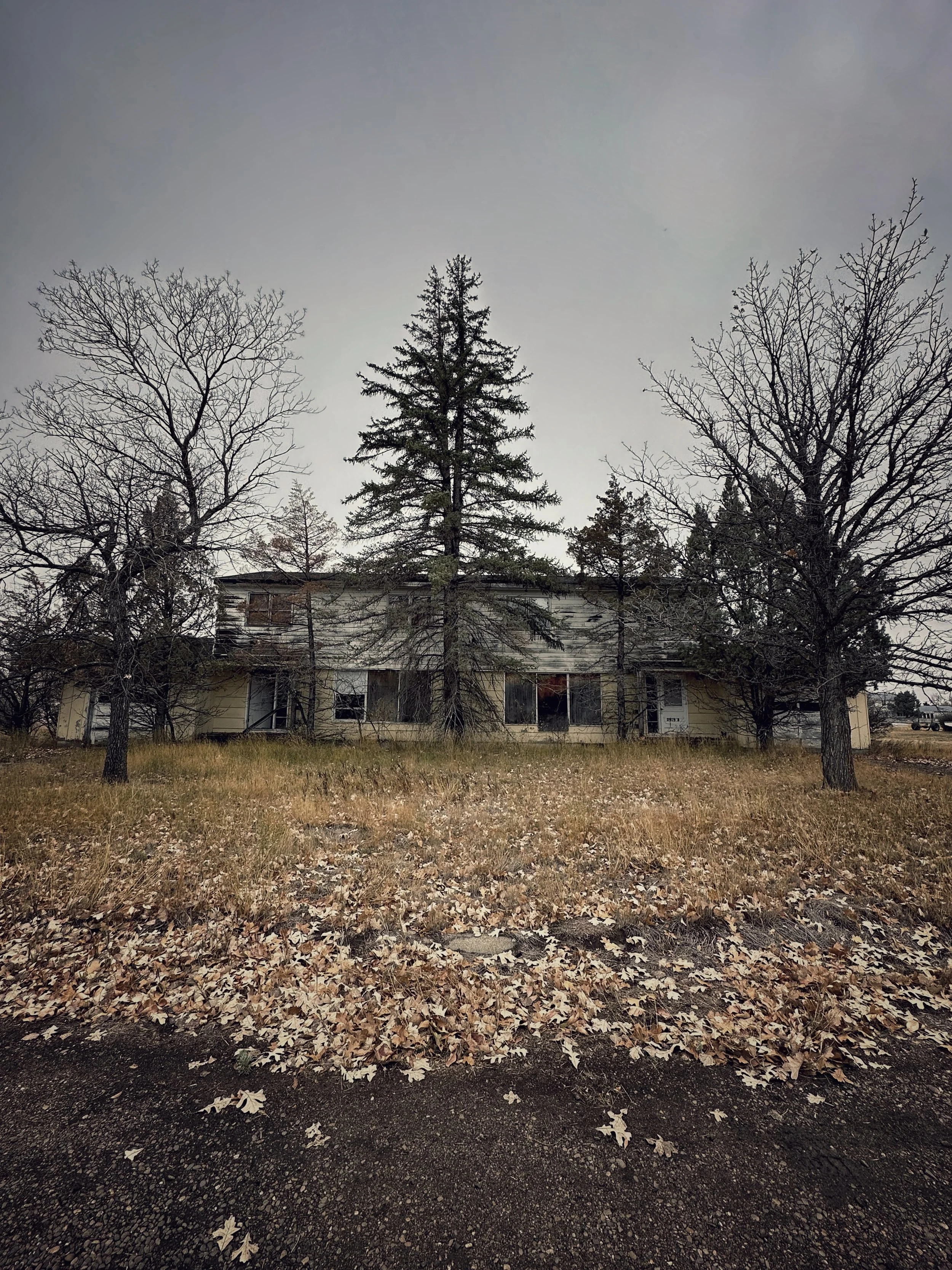
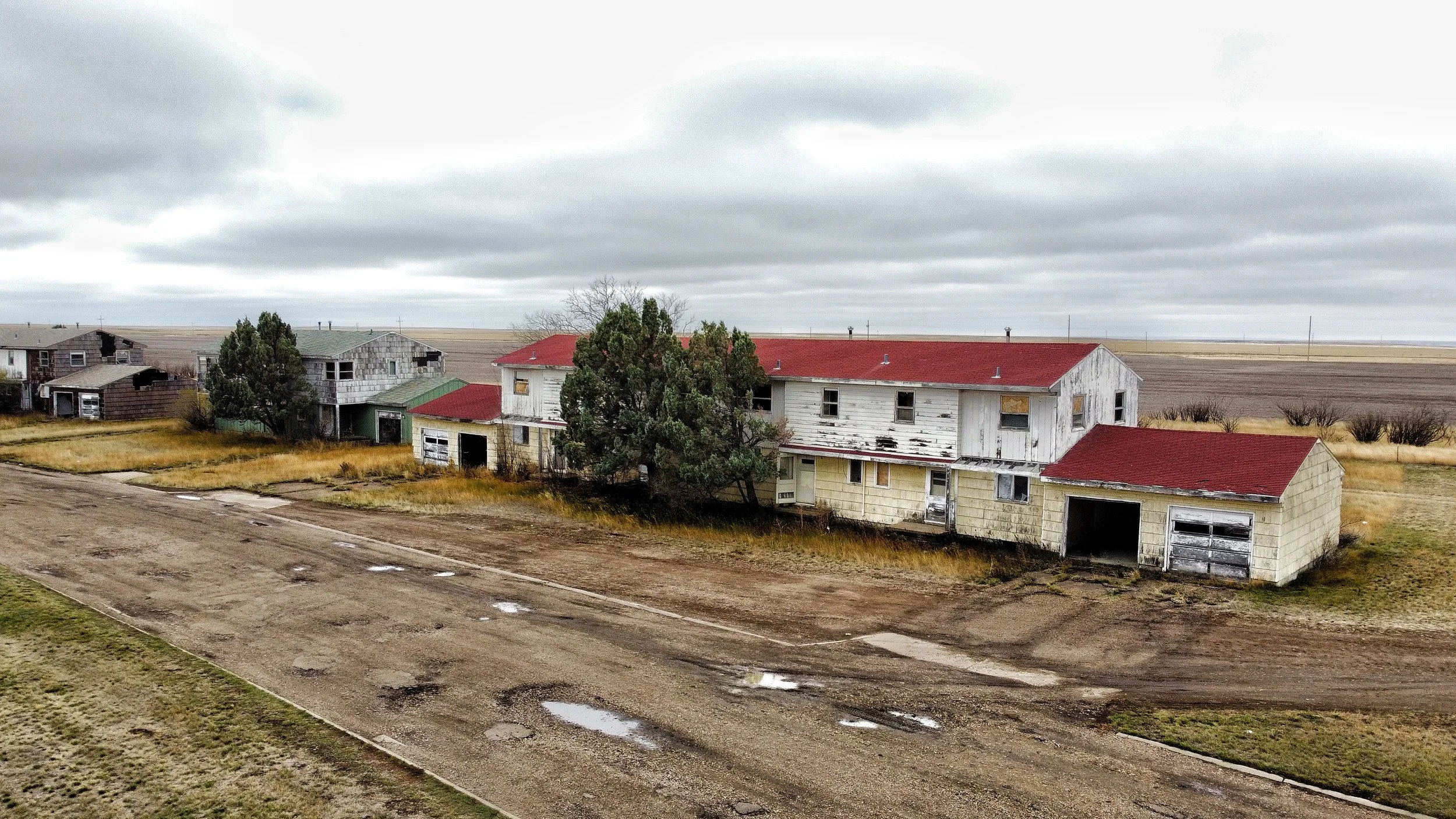
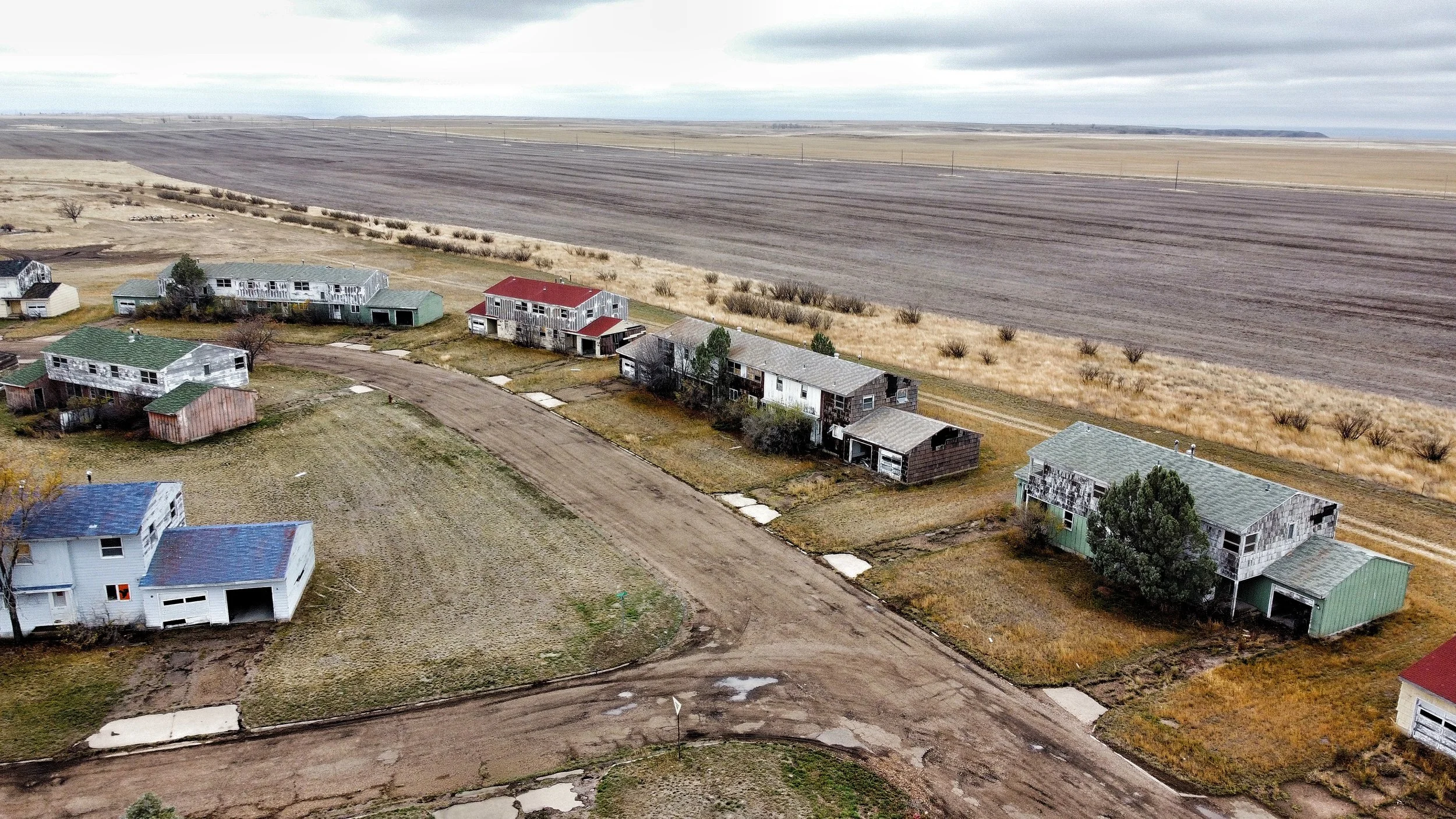
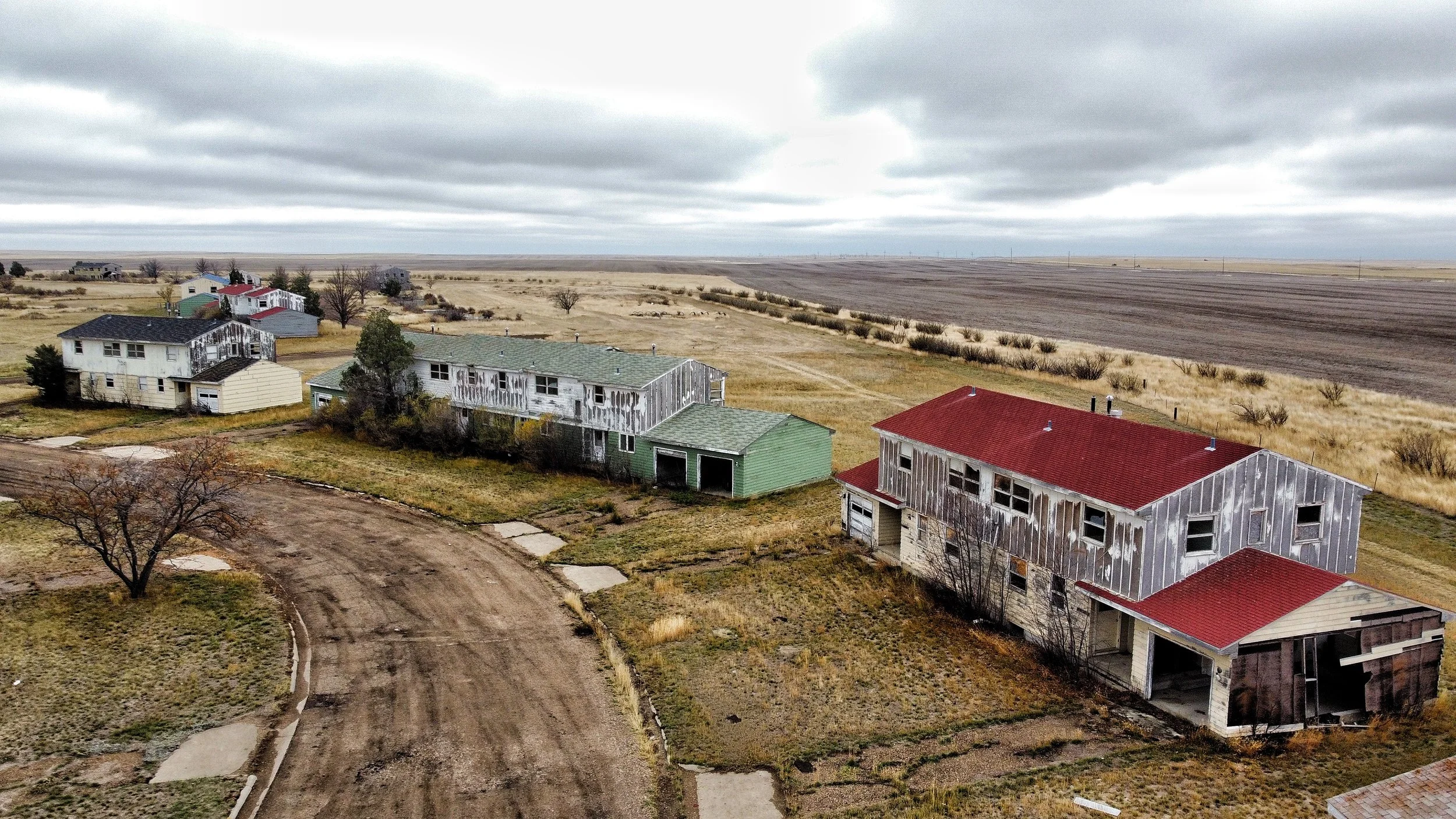
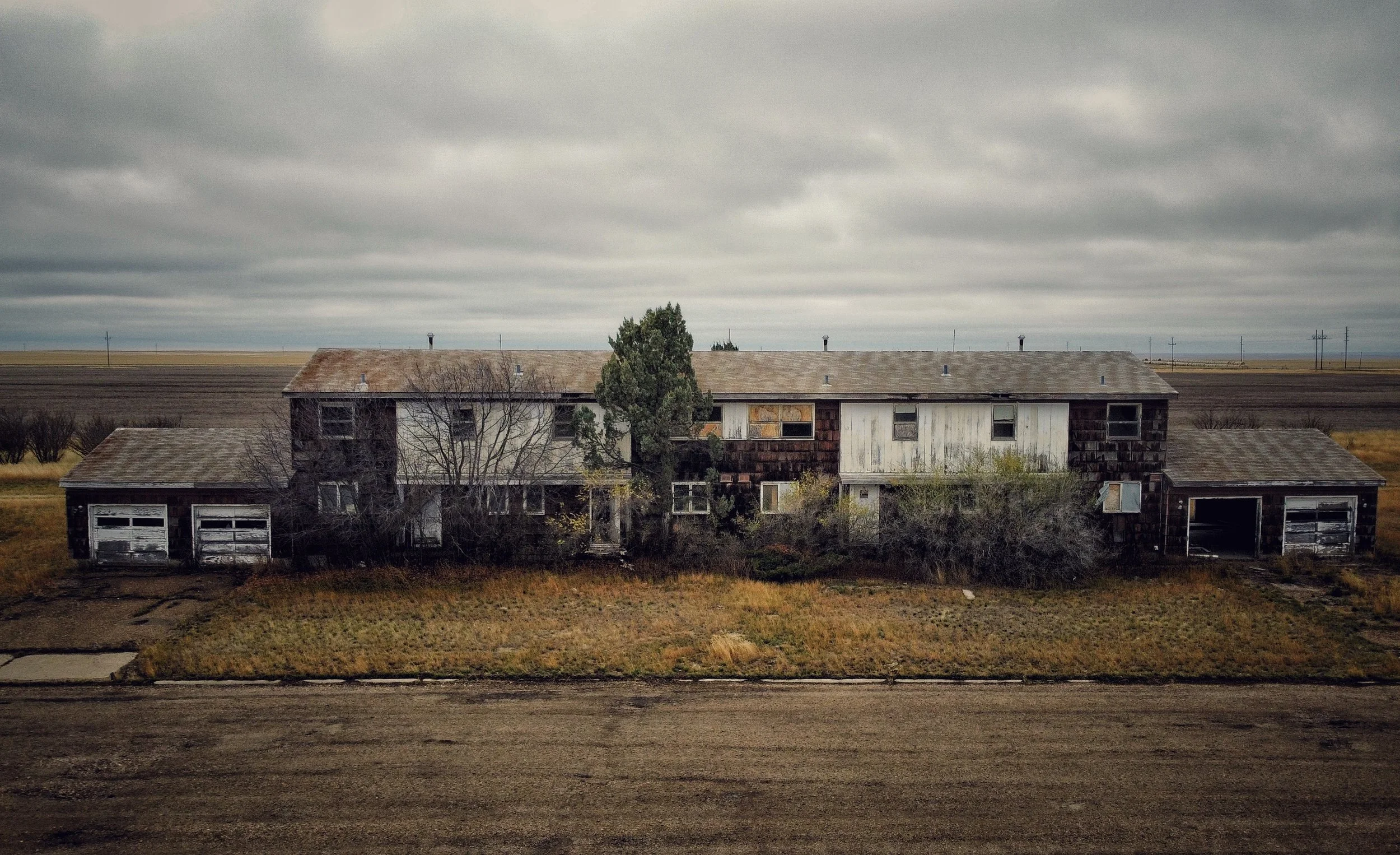
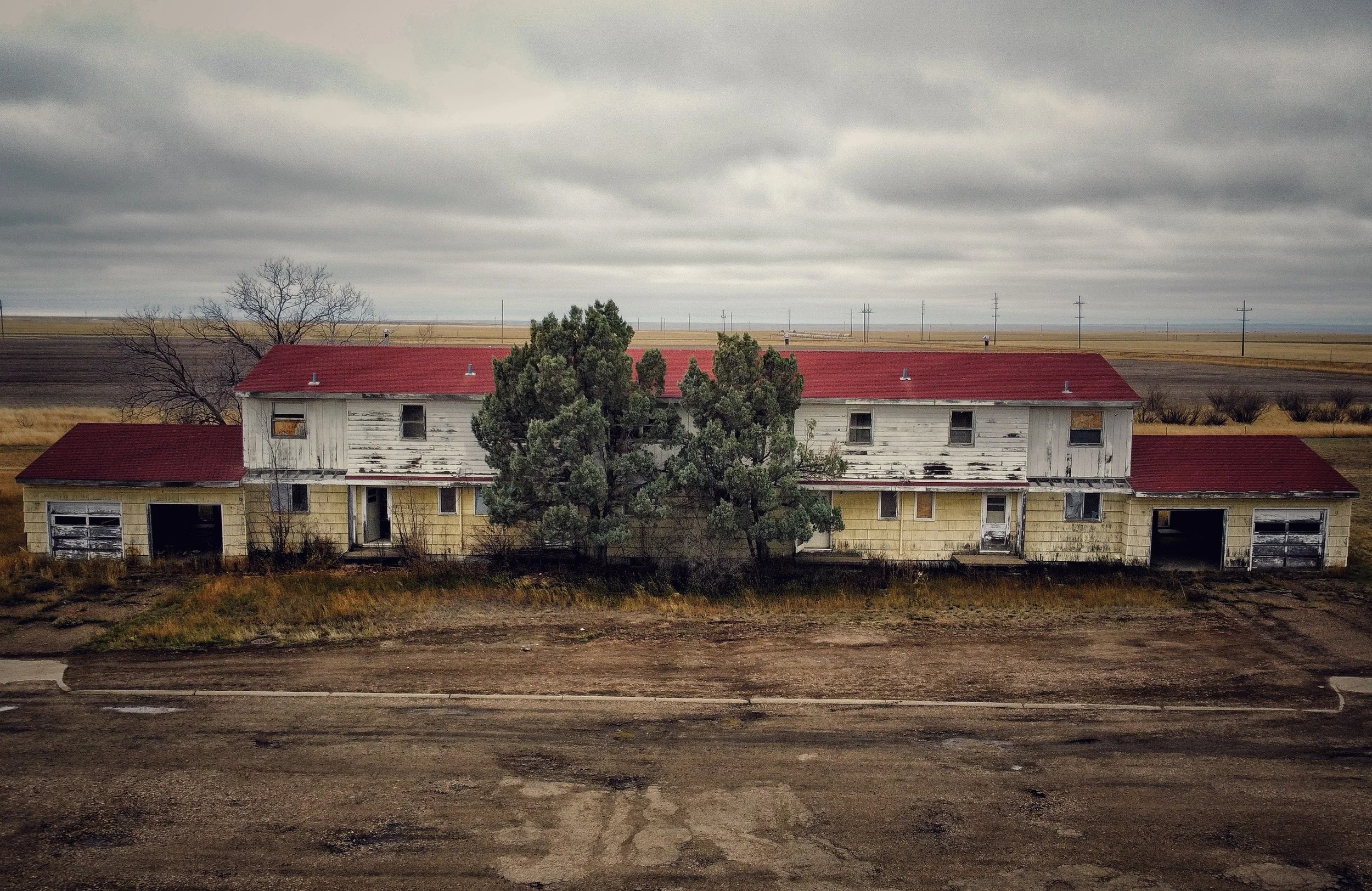
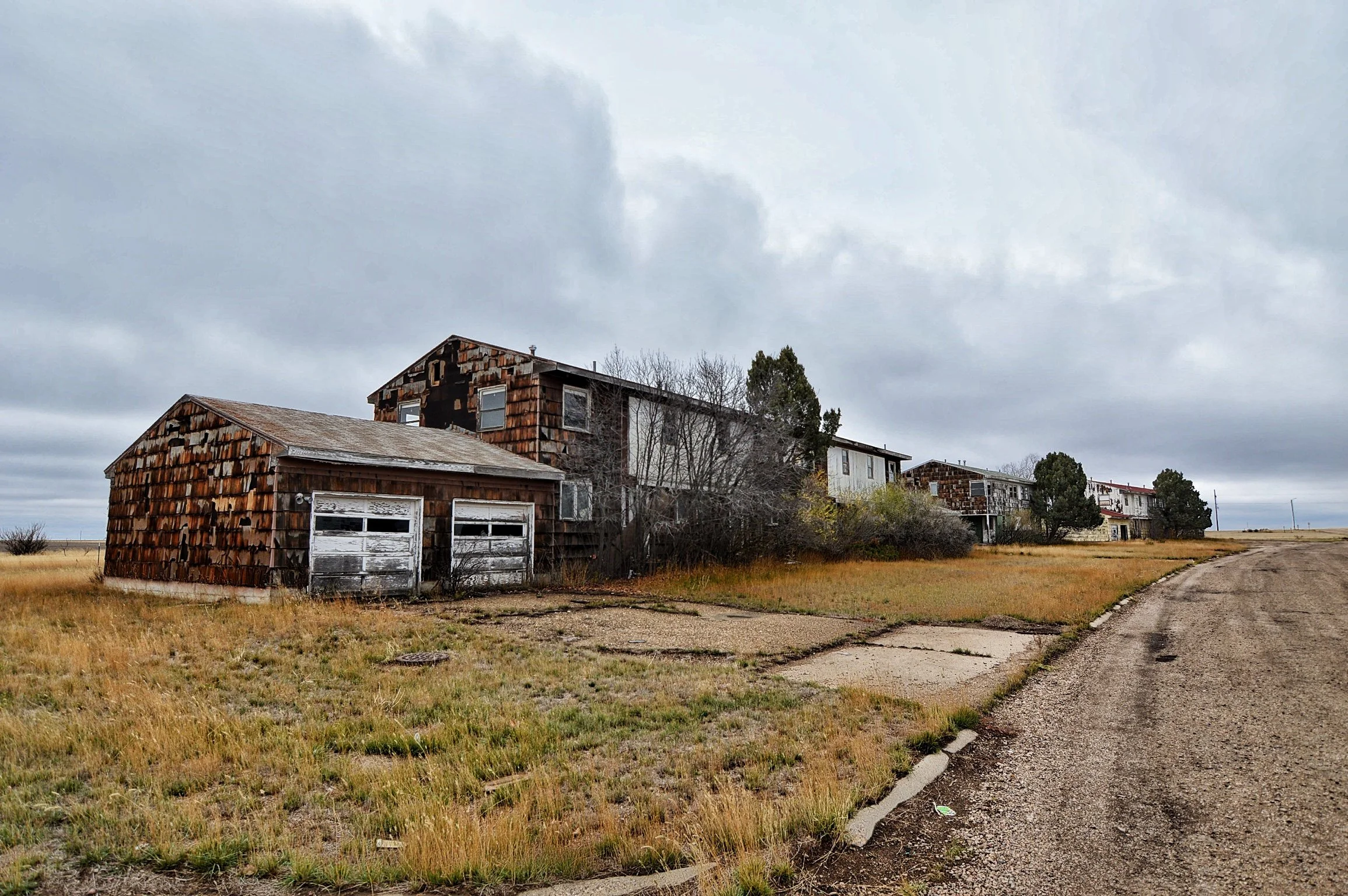
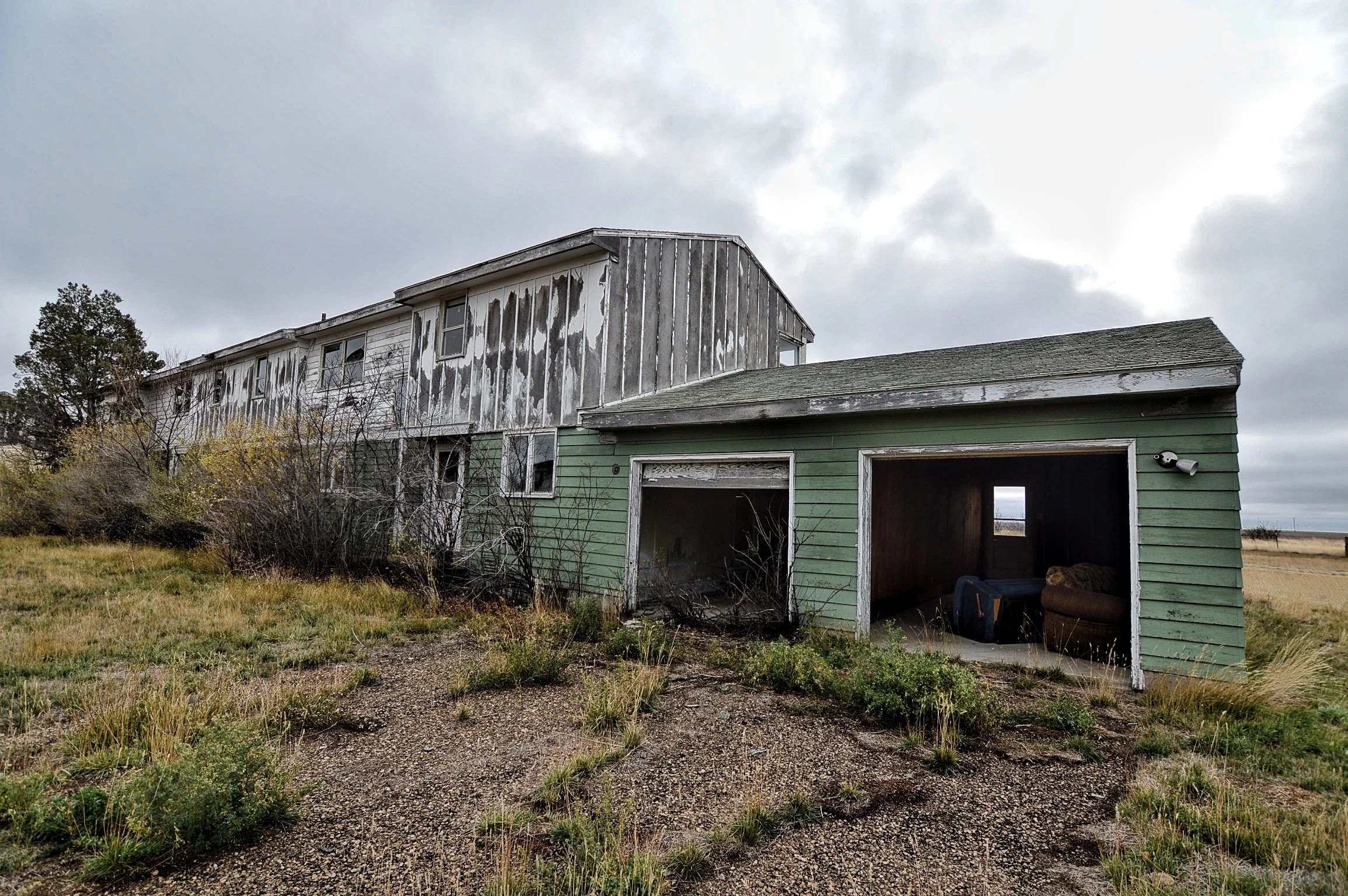
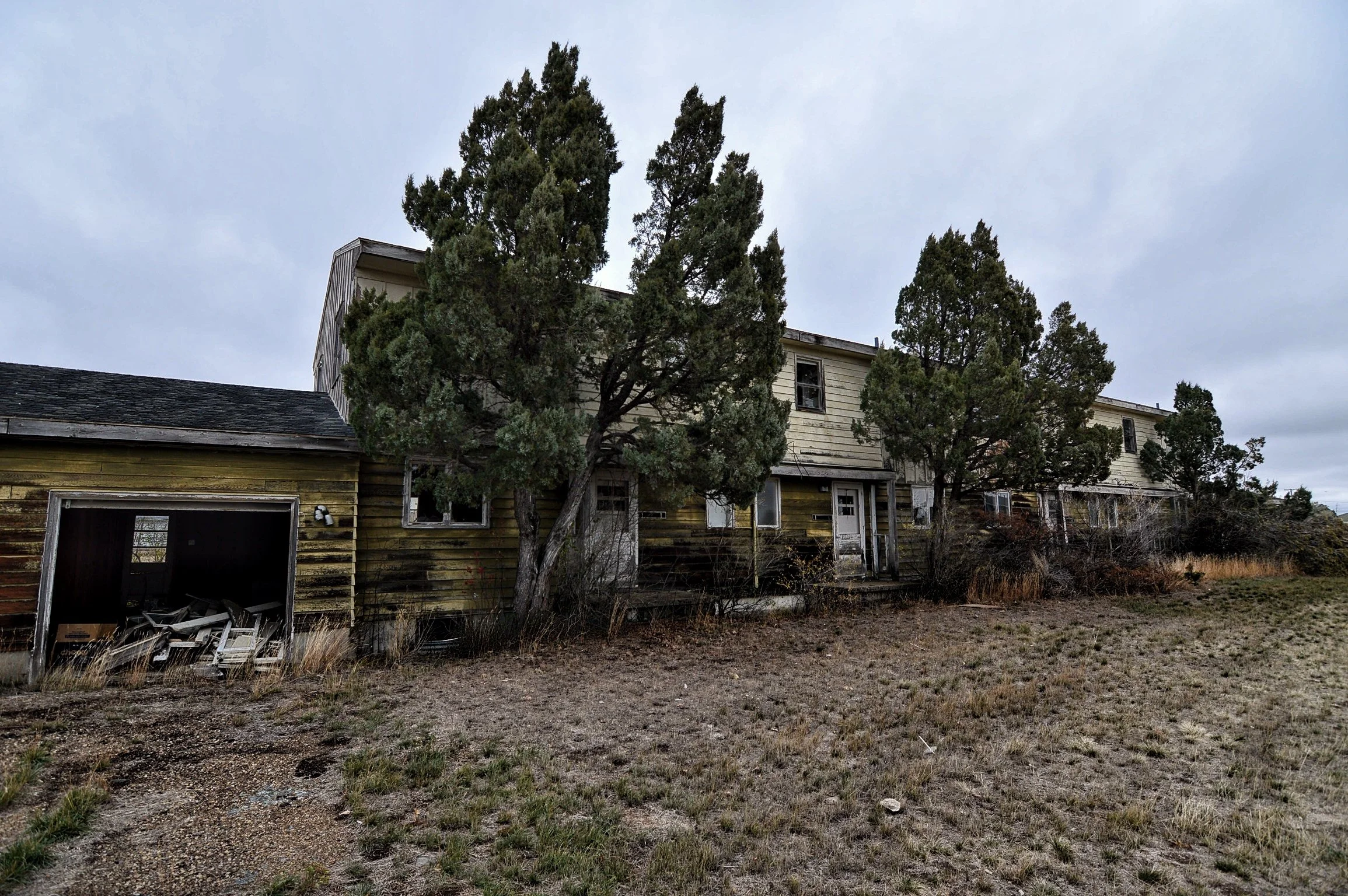
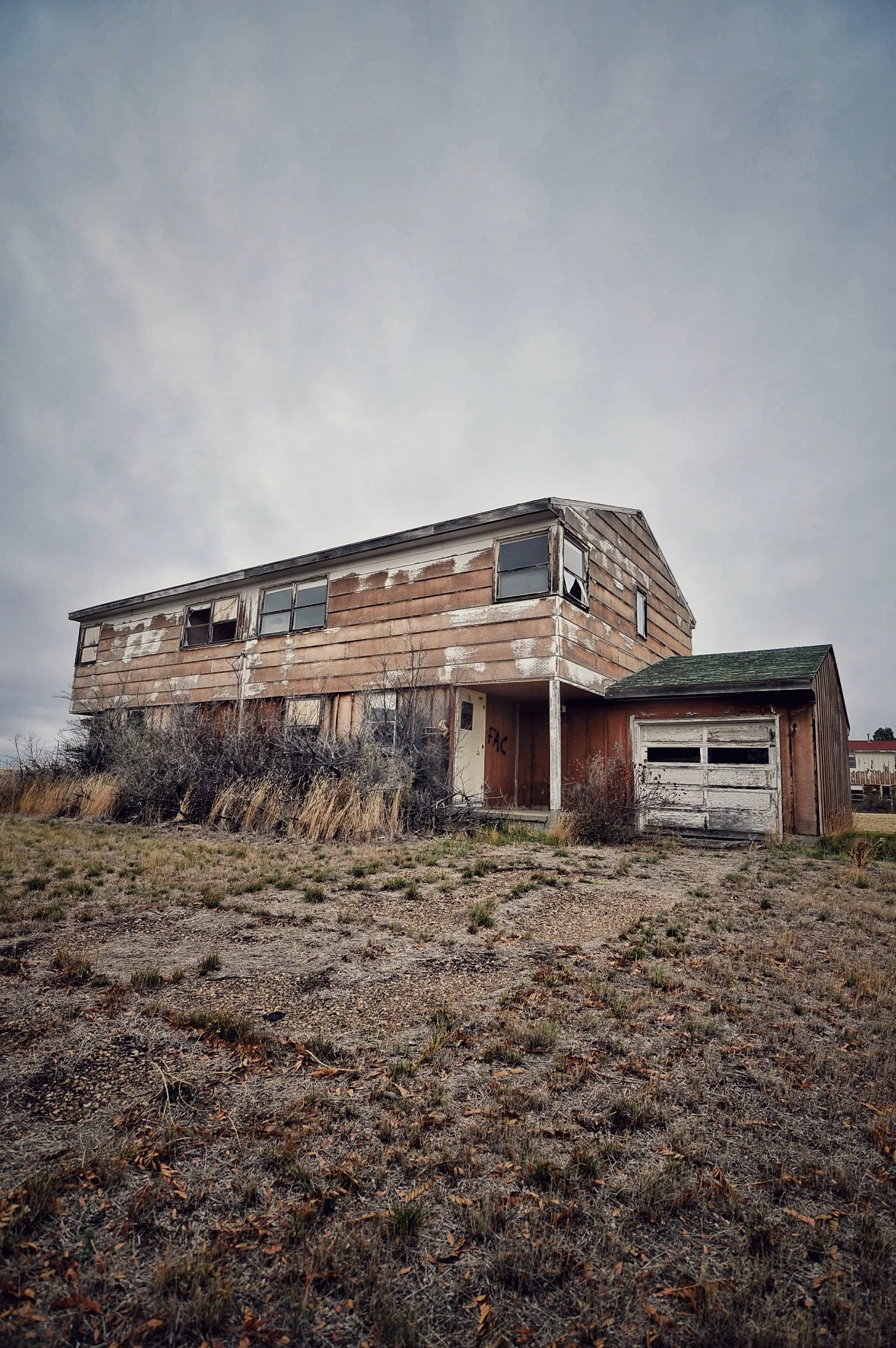
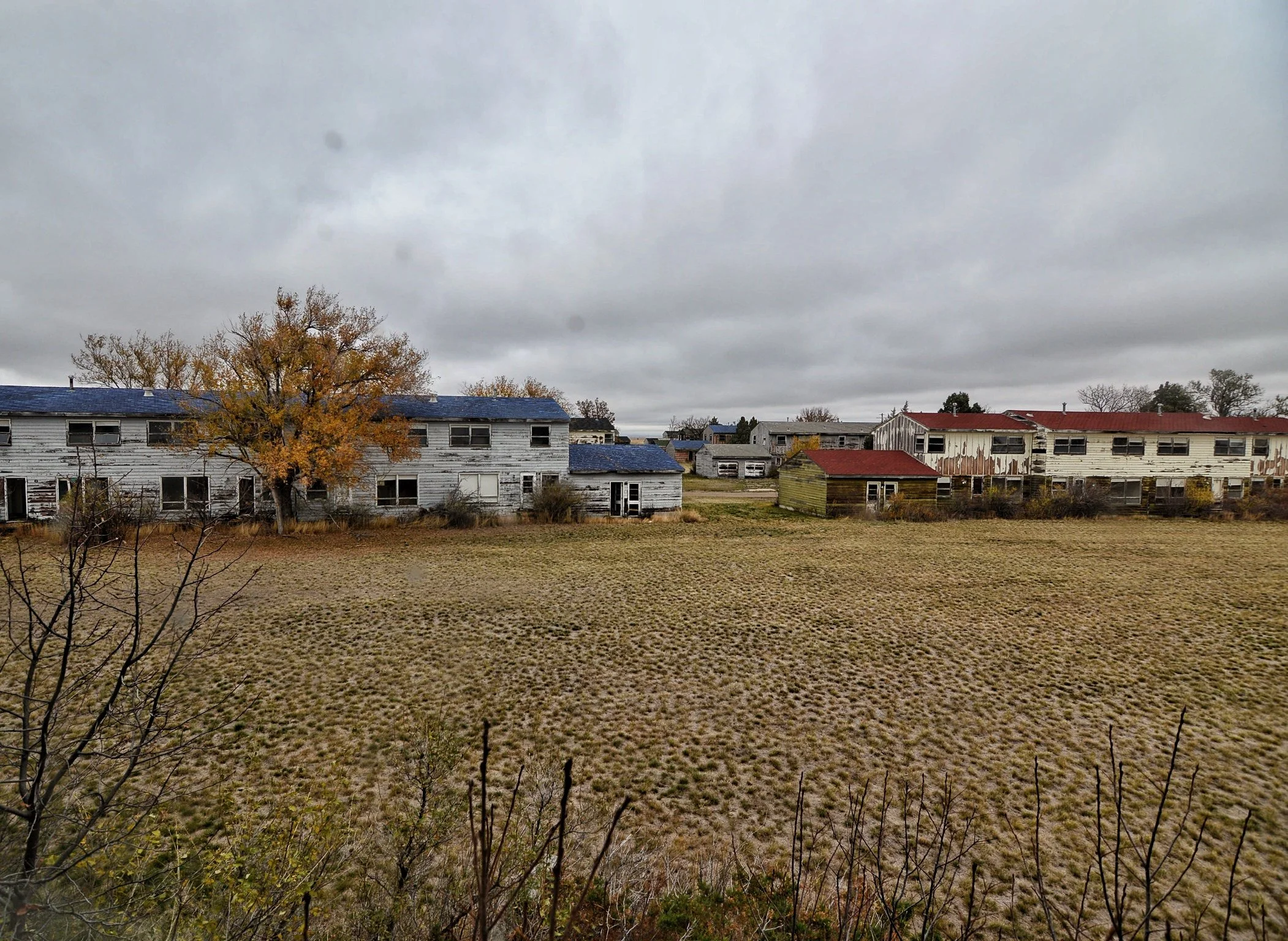
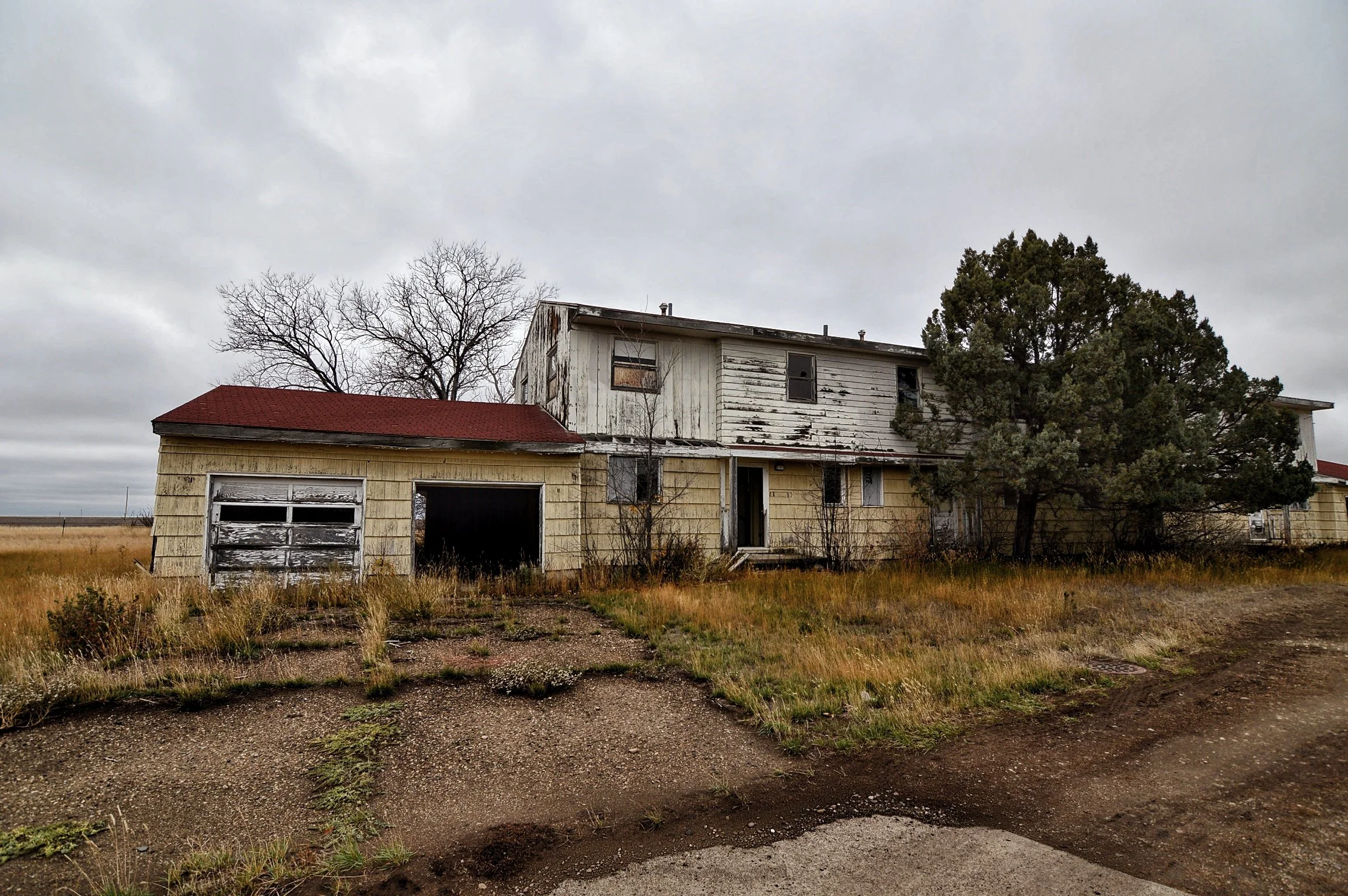
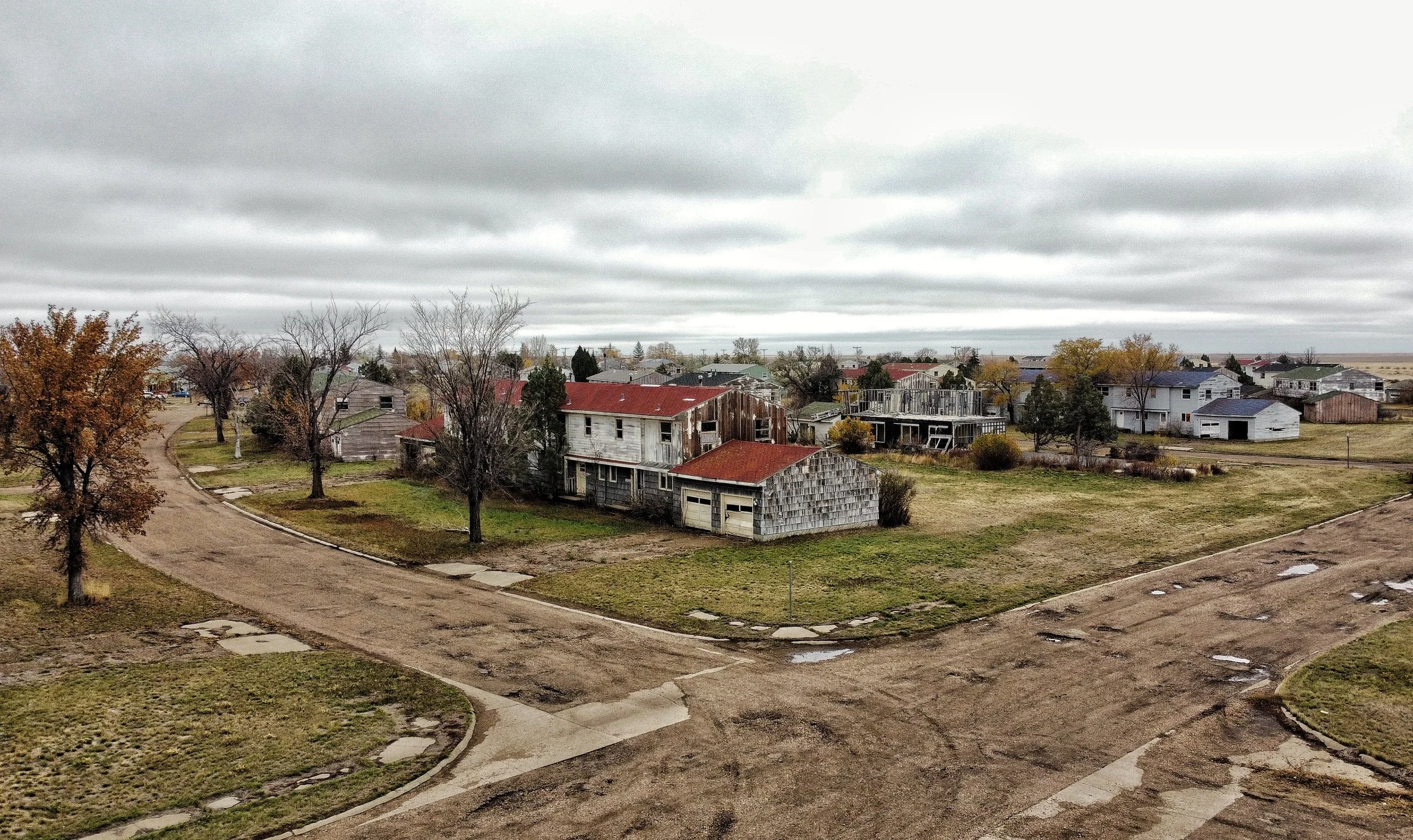
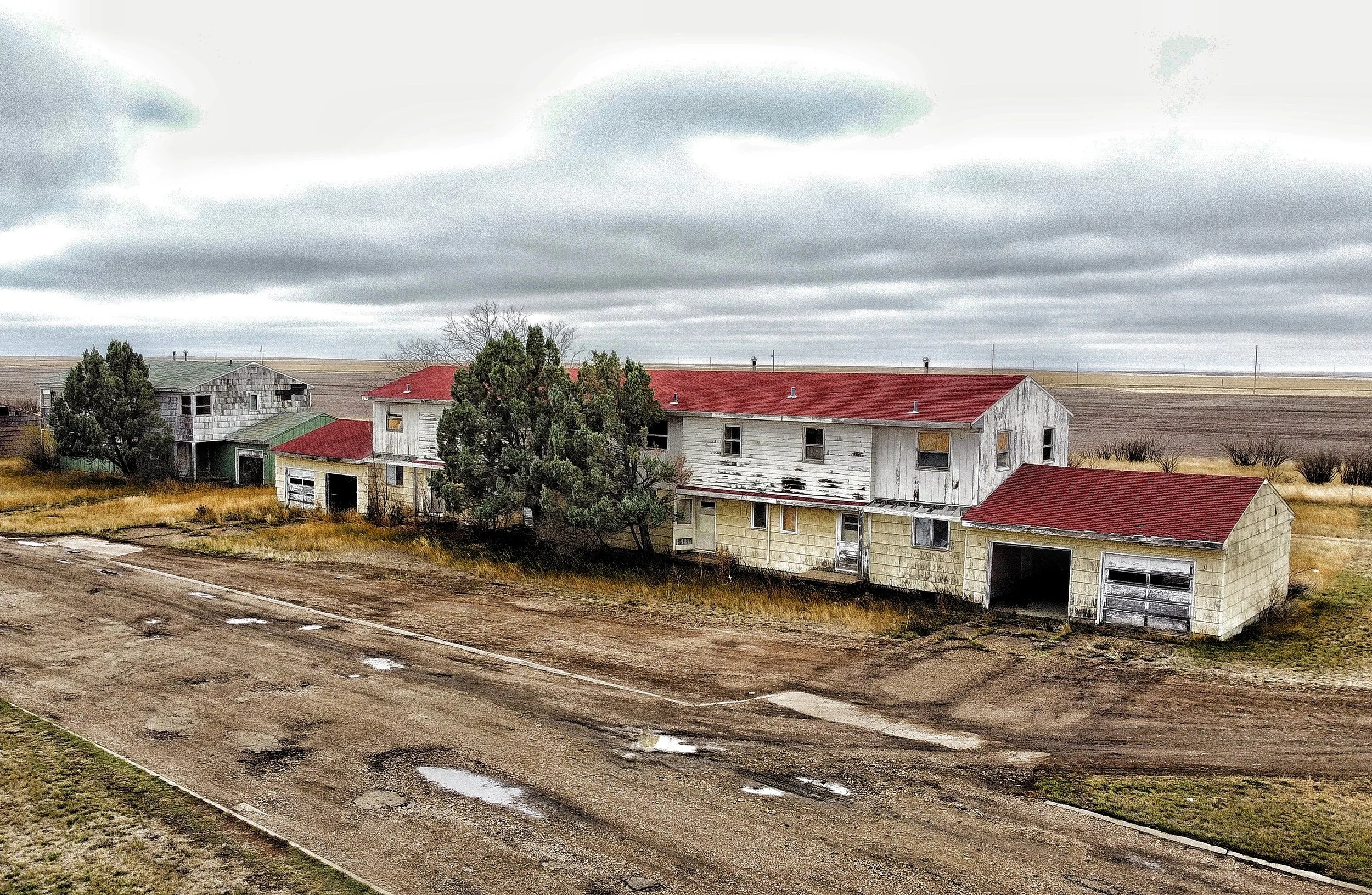
After wandering through rows of abandoned bungalows—each one telling its own quiet story of neglect—we moved deeper into the forgotten edges of town. The streets began to change. Small, single‑level homes gave way to towering two‑story duplexes, standing in long, uniform rows. At first glance, they seemed sturdier than the bungalows, but as we drew closer, it became clear that time had dealt them the same fate. What had once been proud family homes now stood as hollow shells, their windows dark and lifeless.
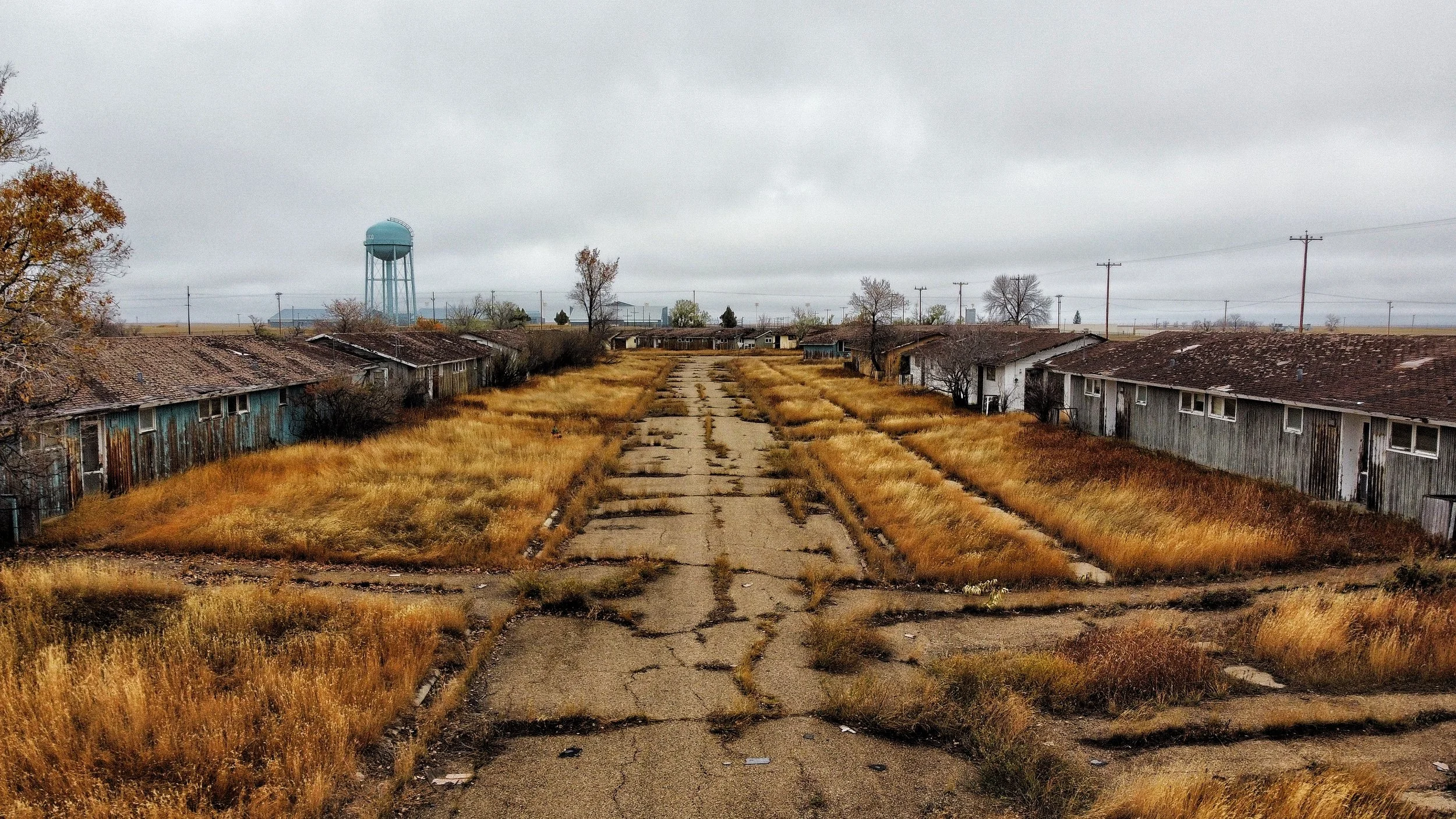
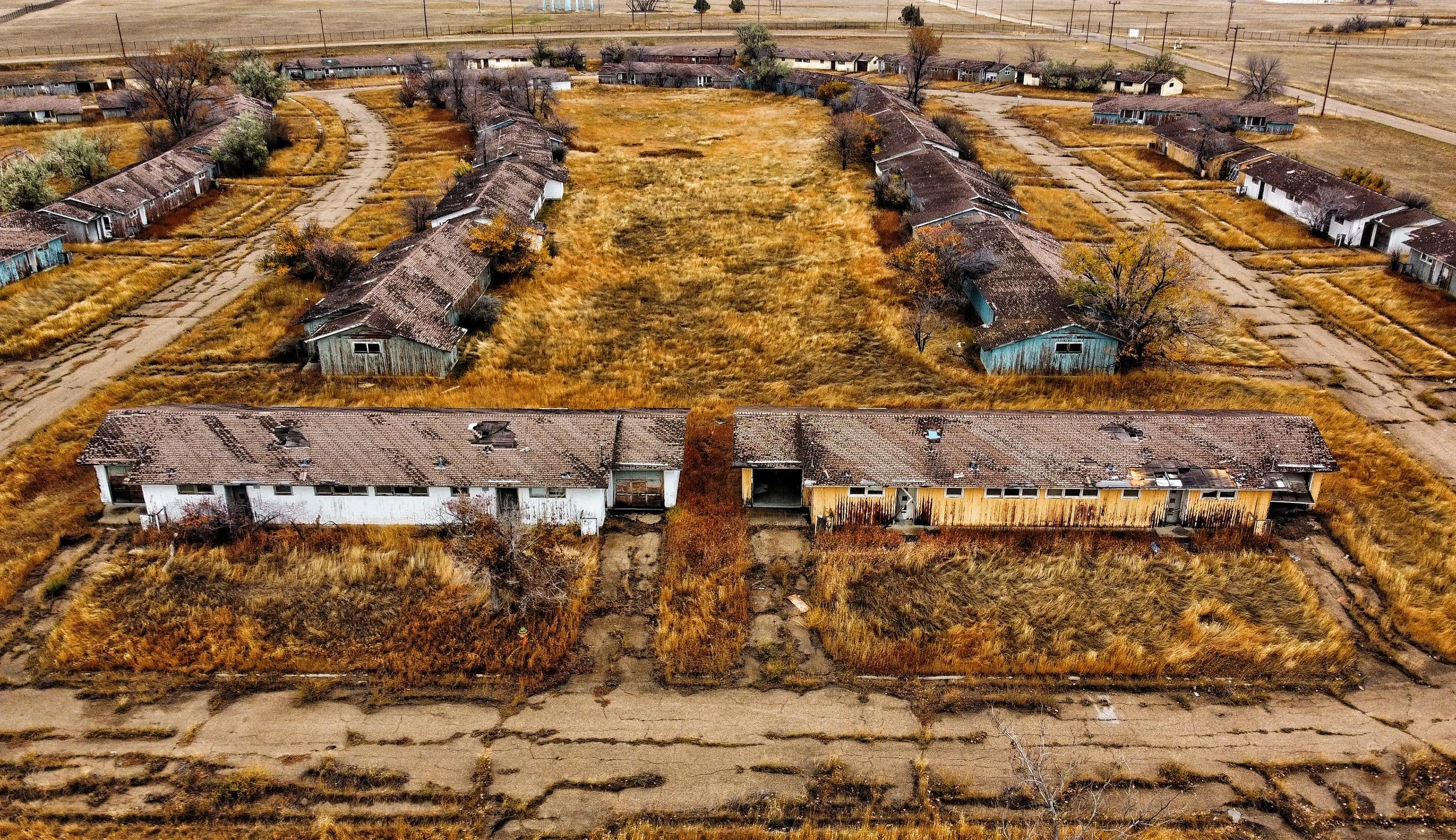
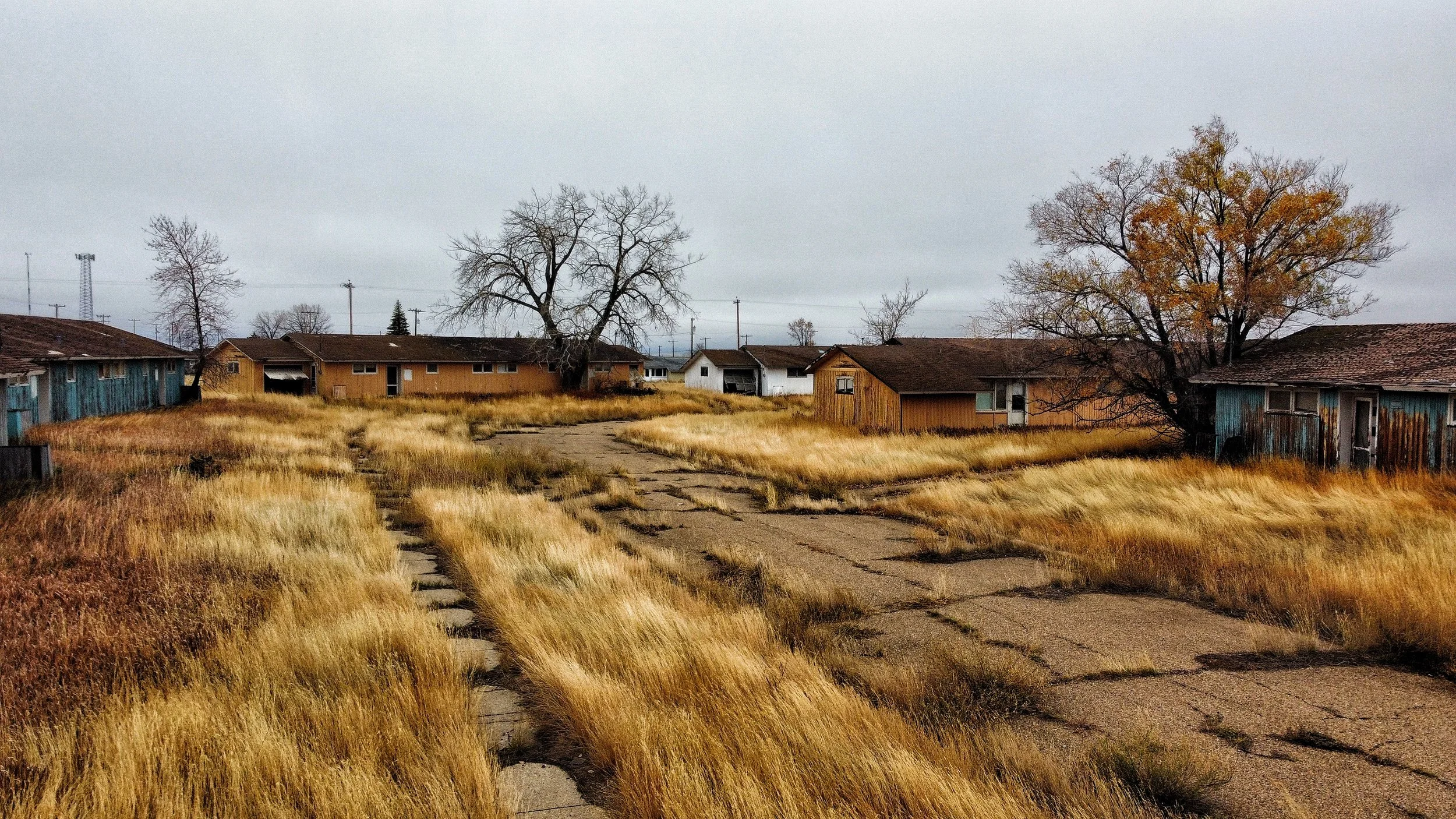
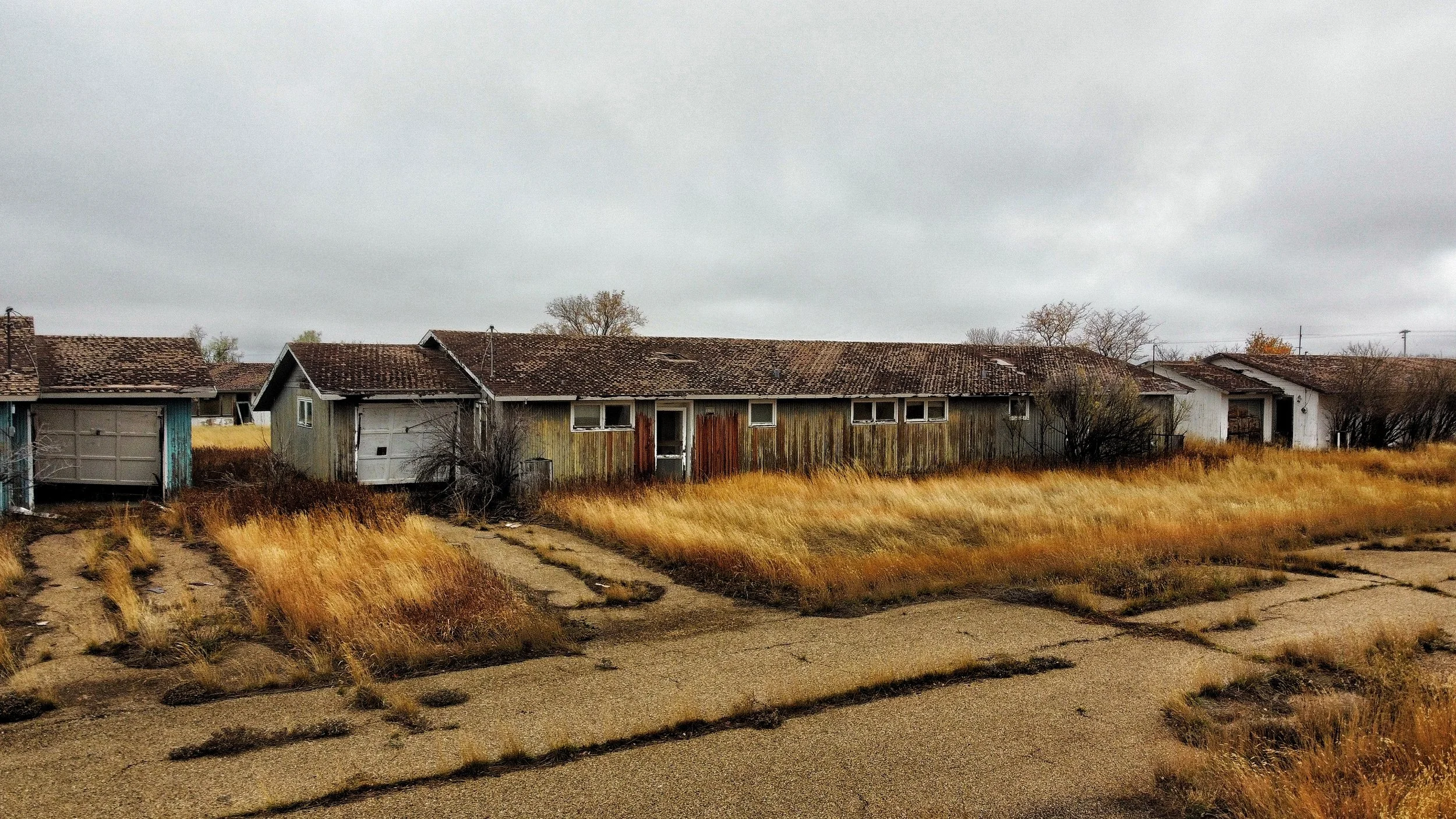
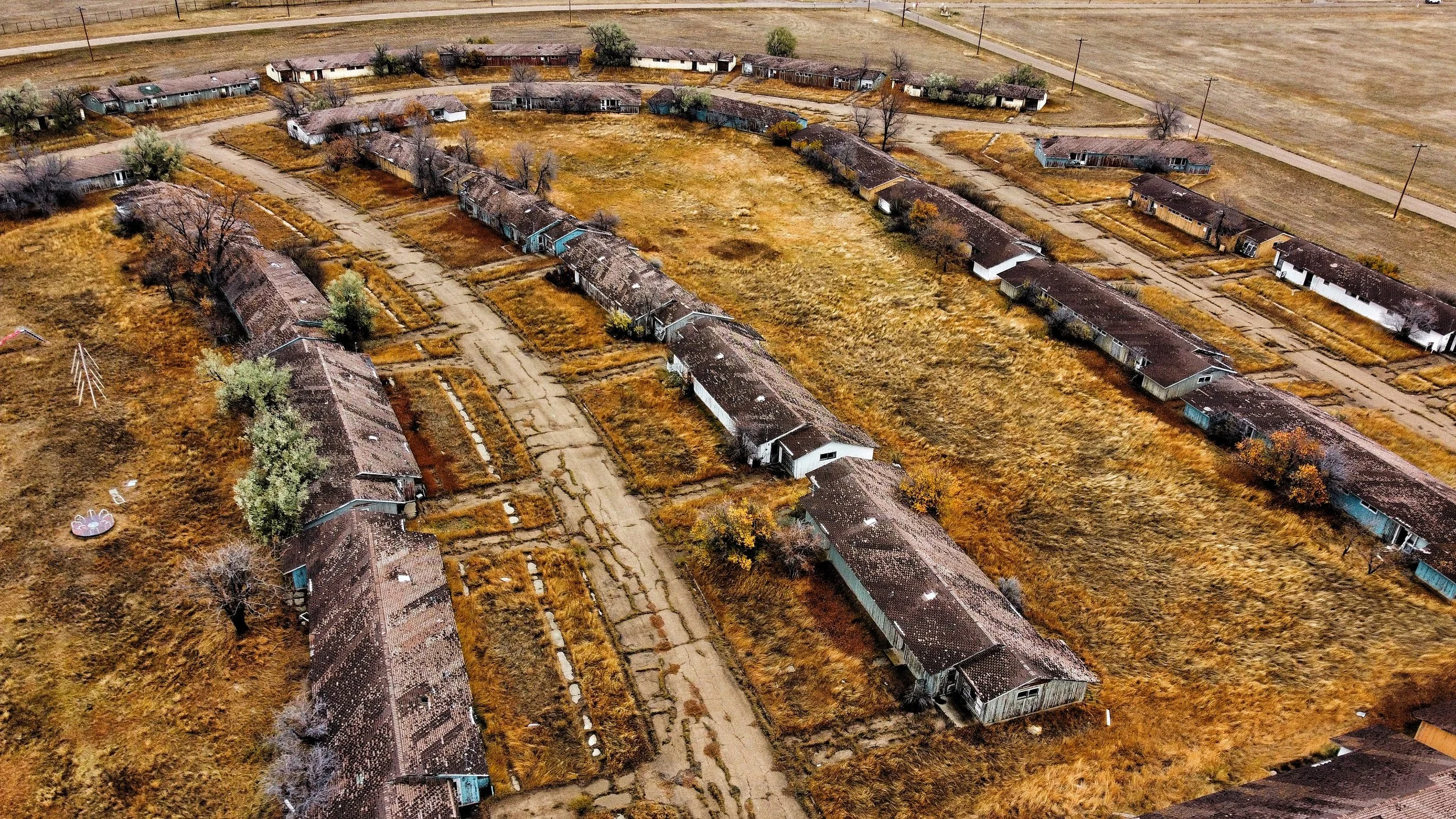
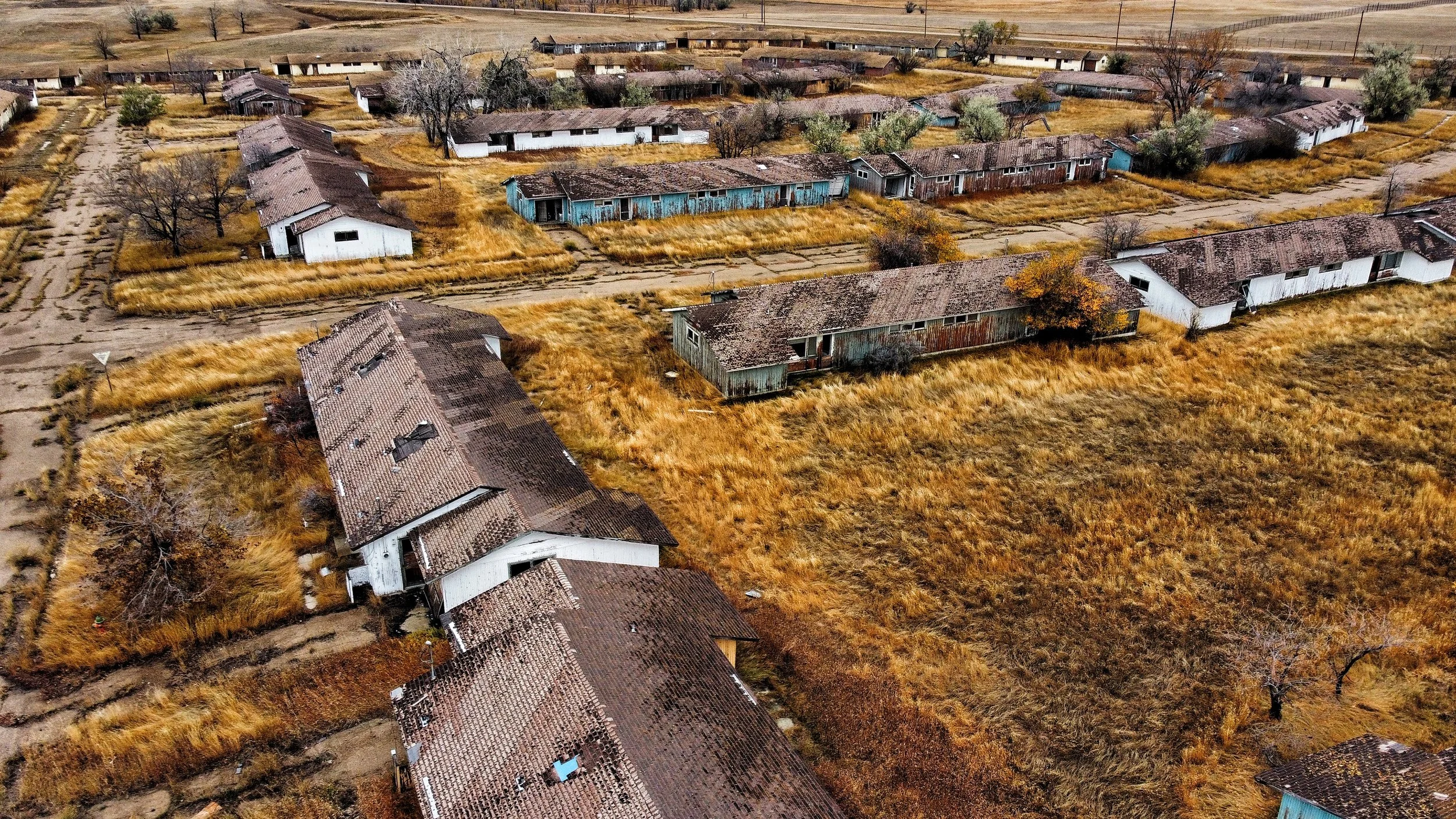
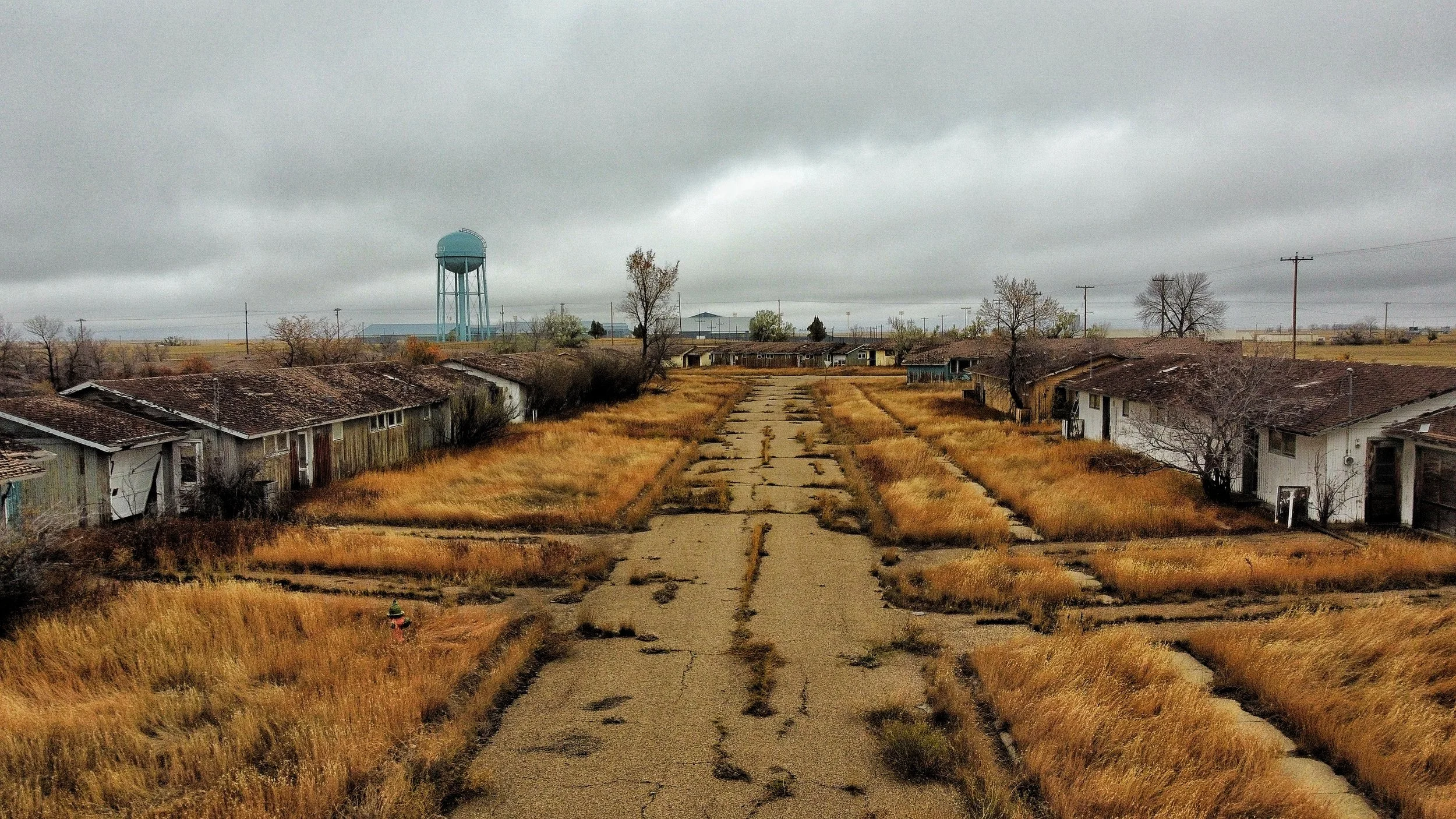
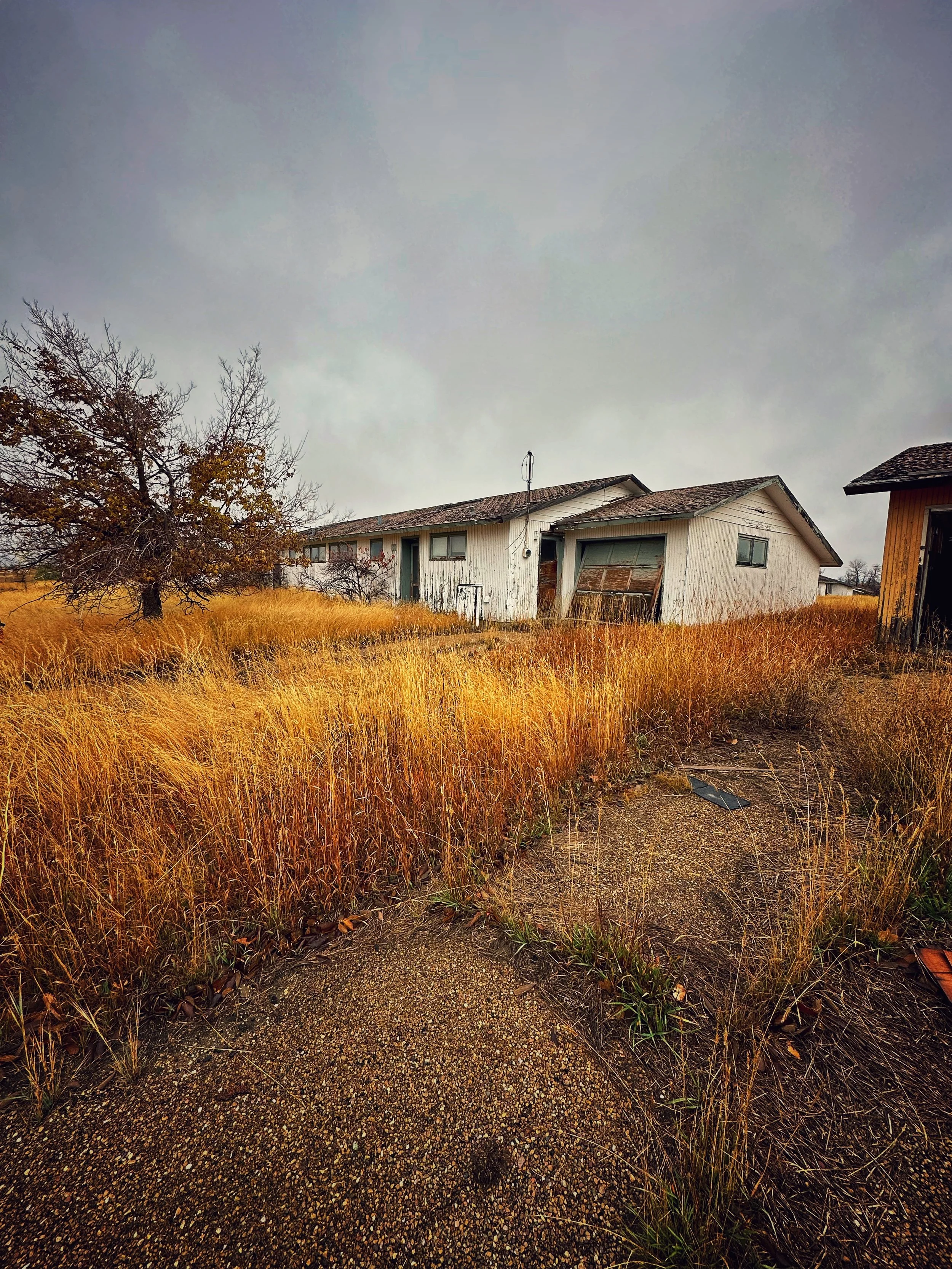
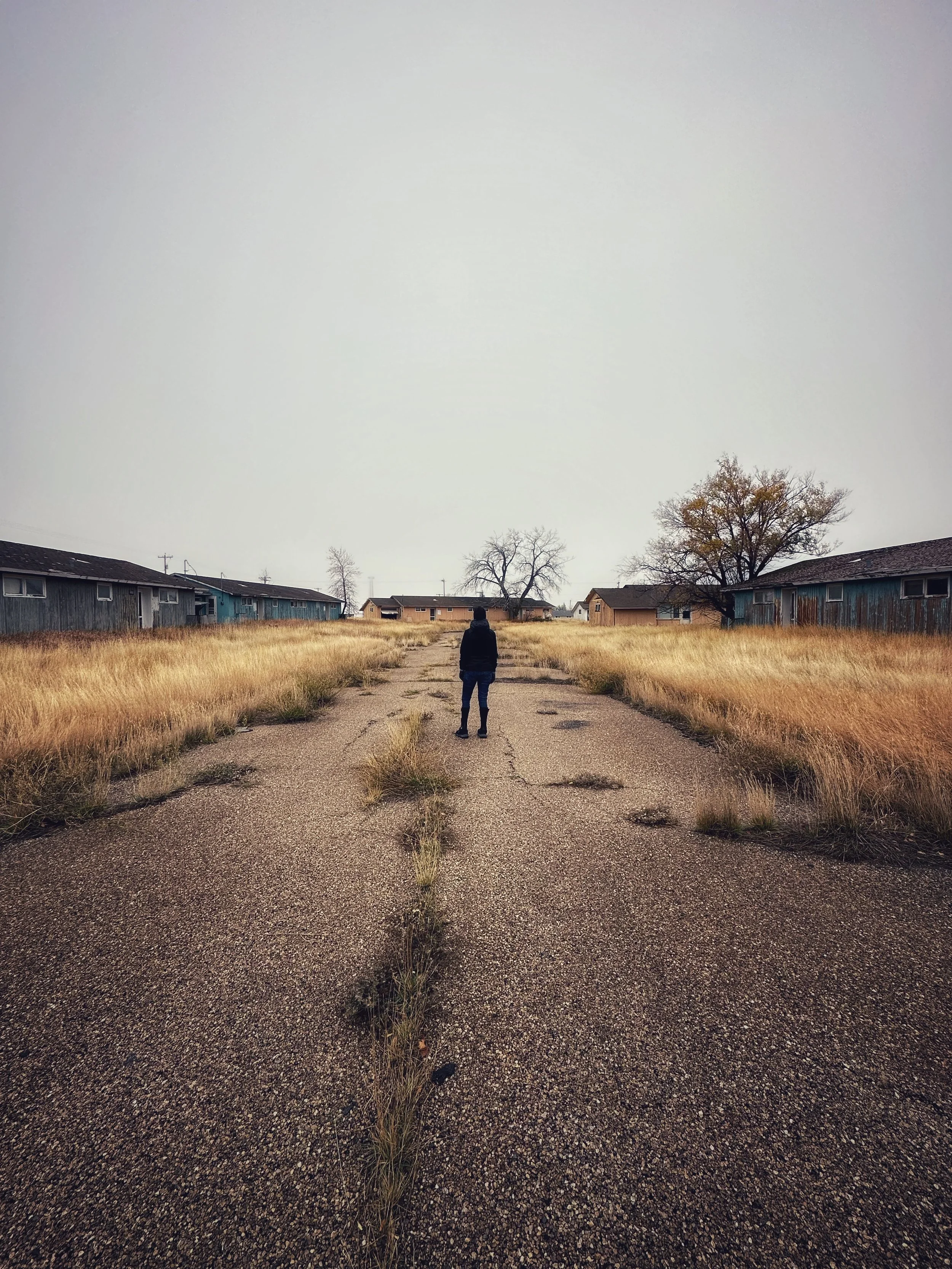
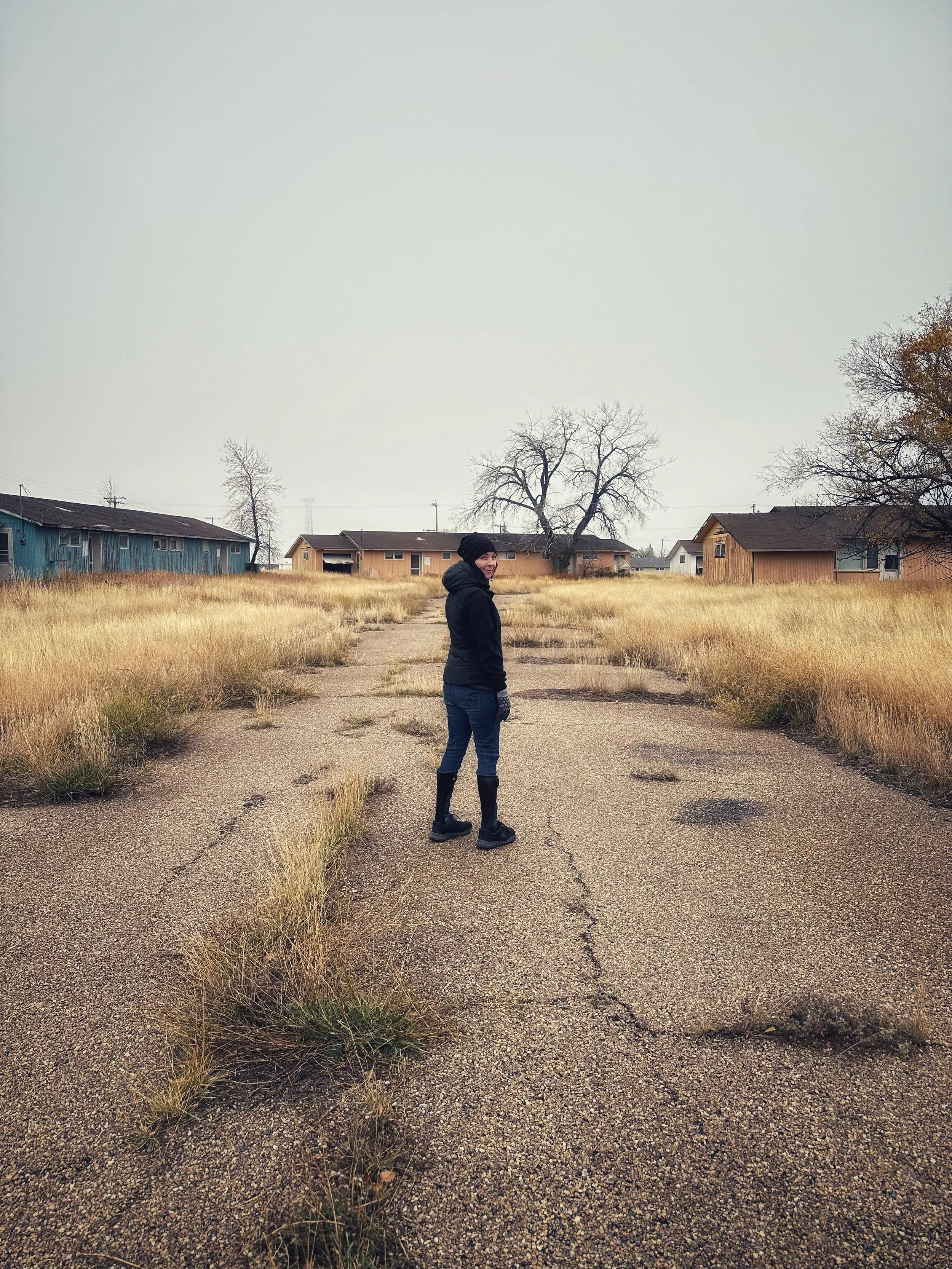
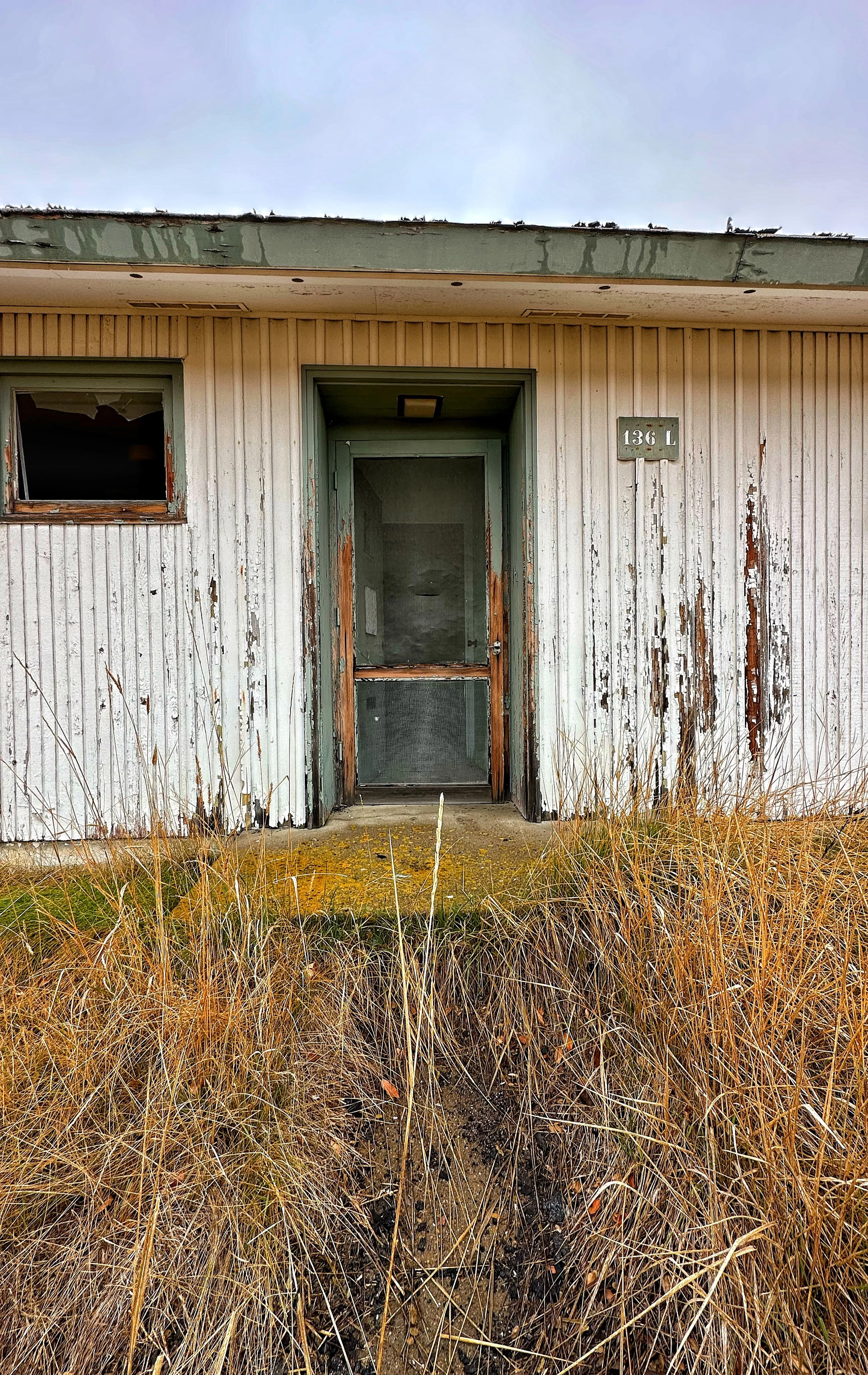
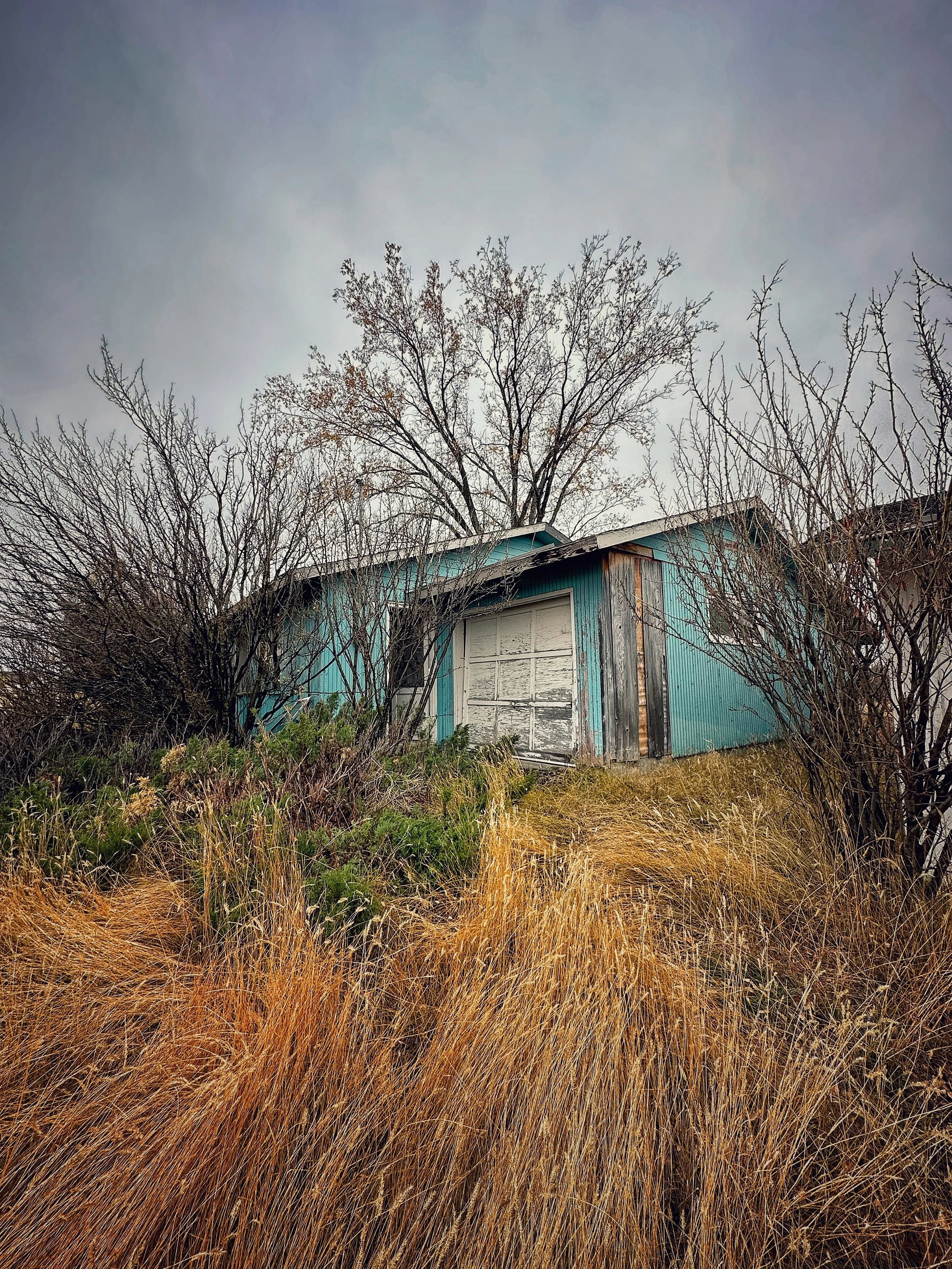
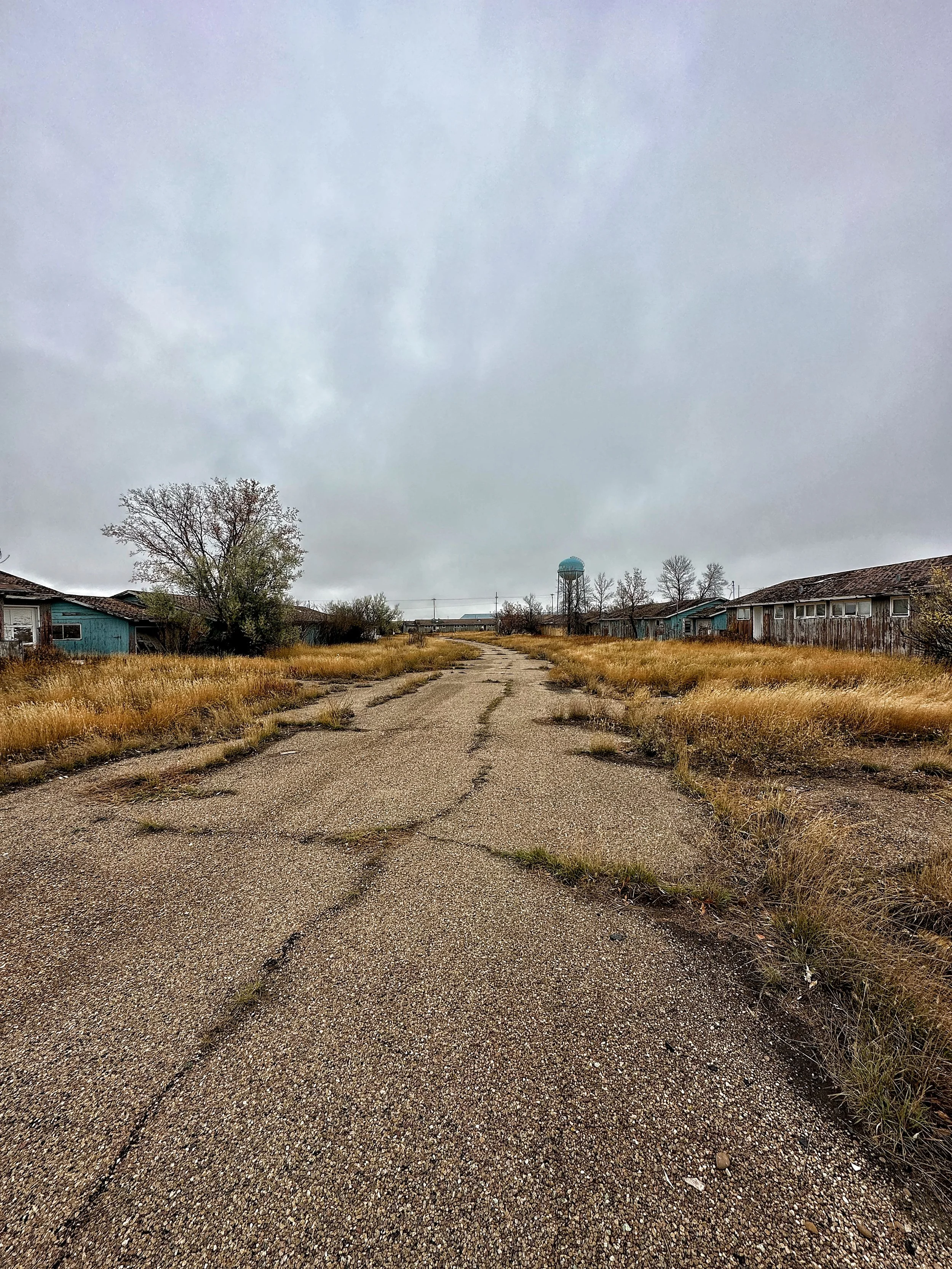
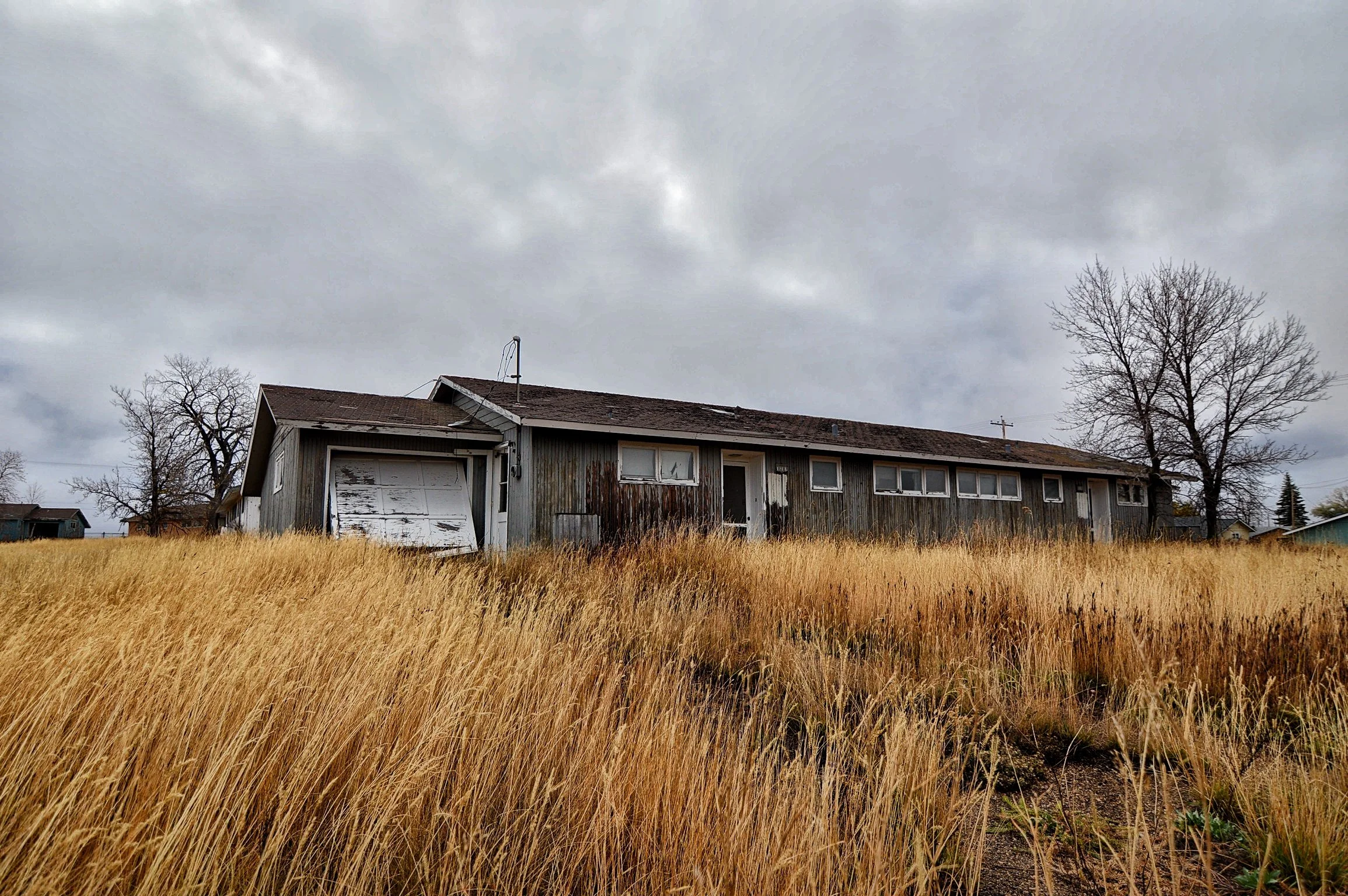
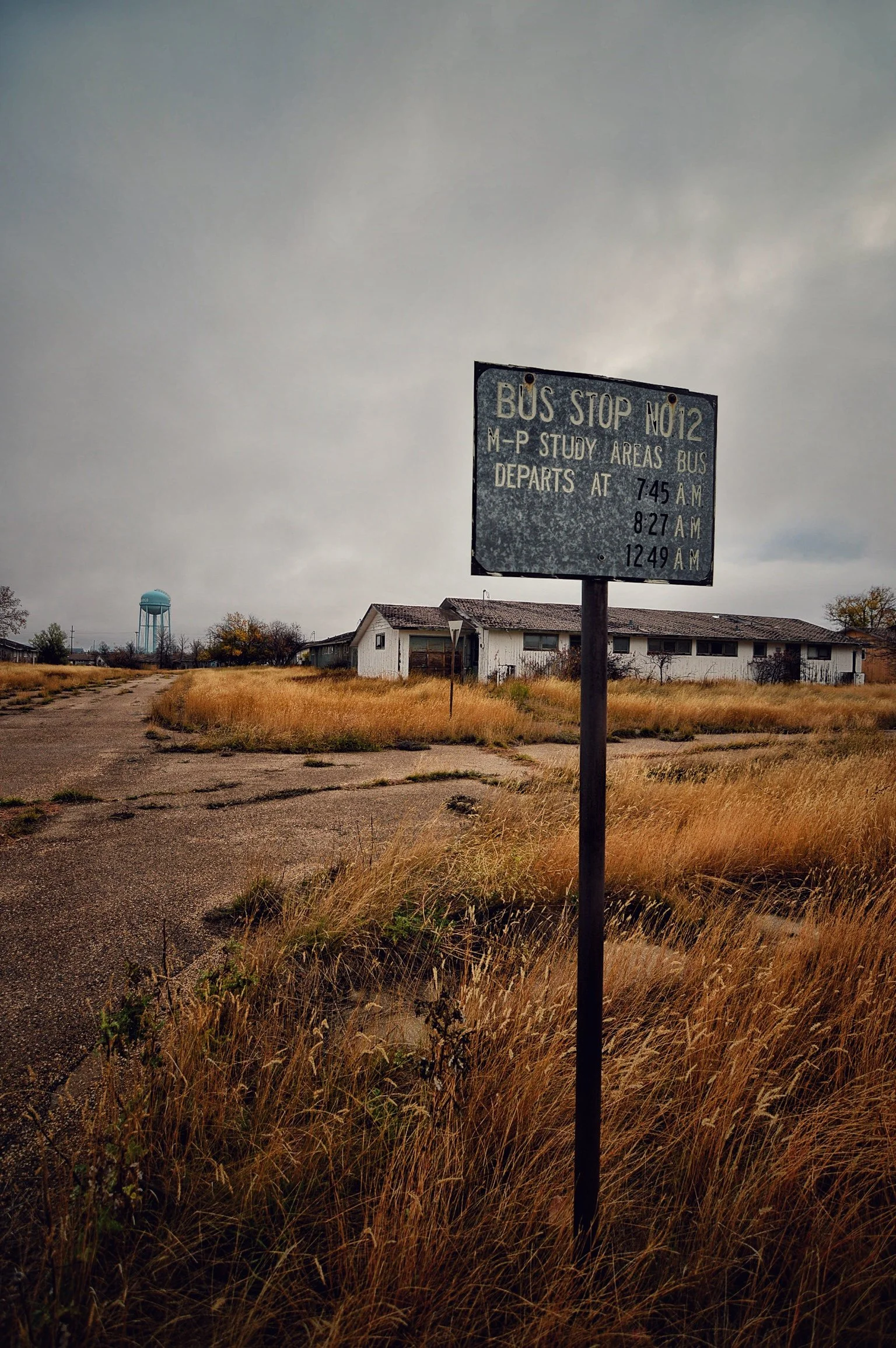
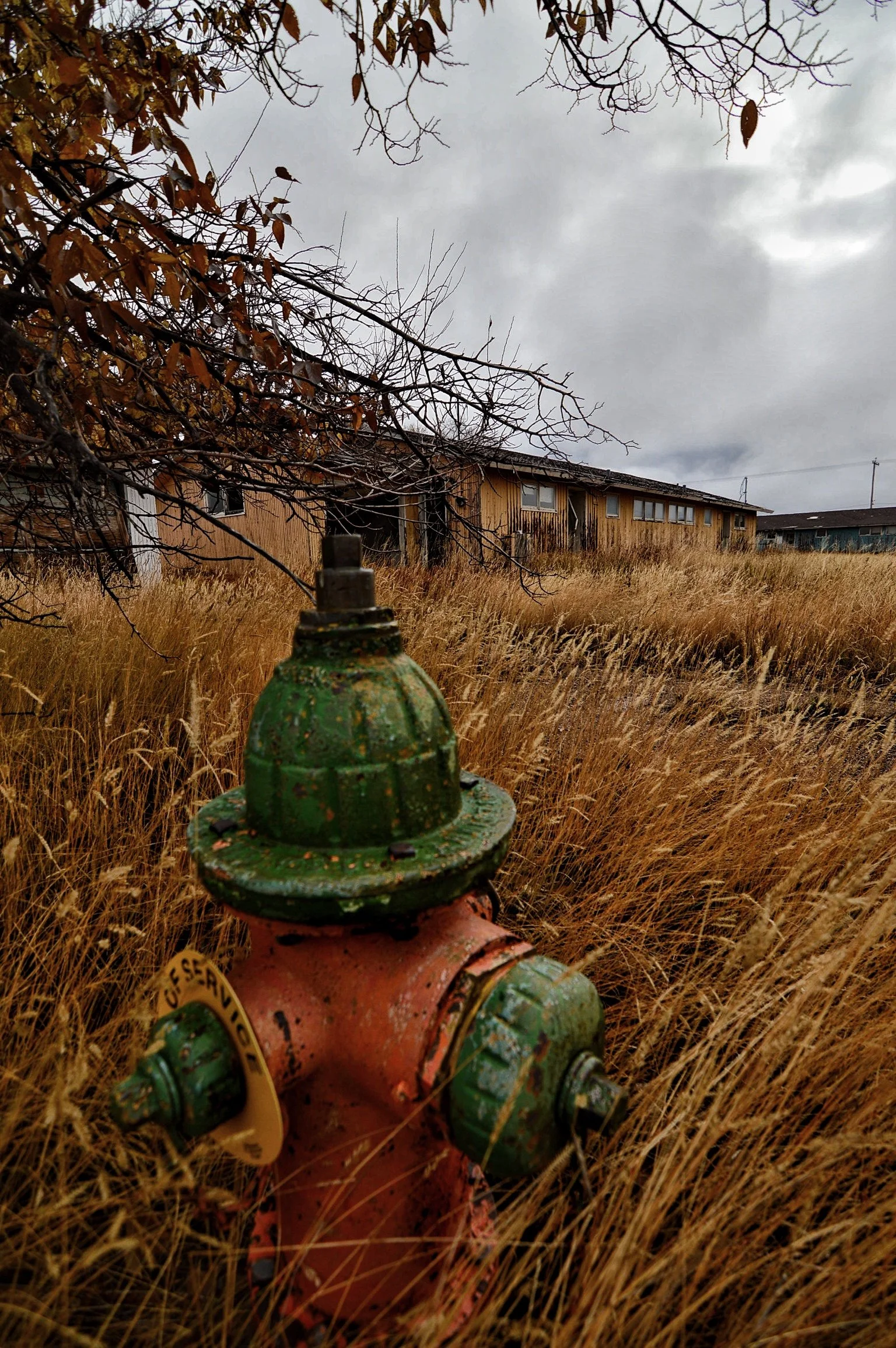
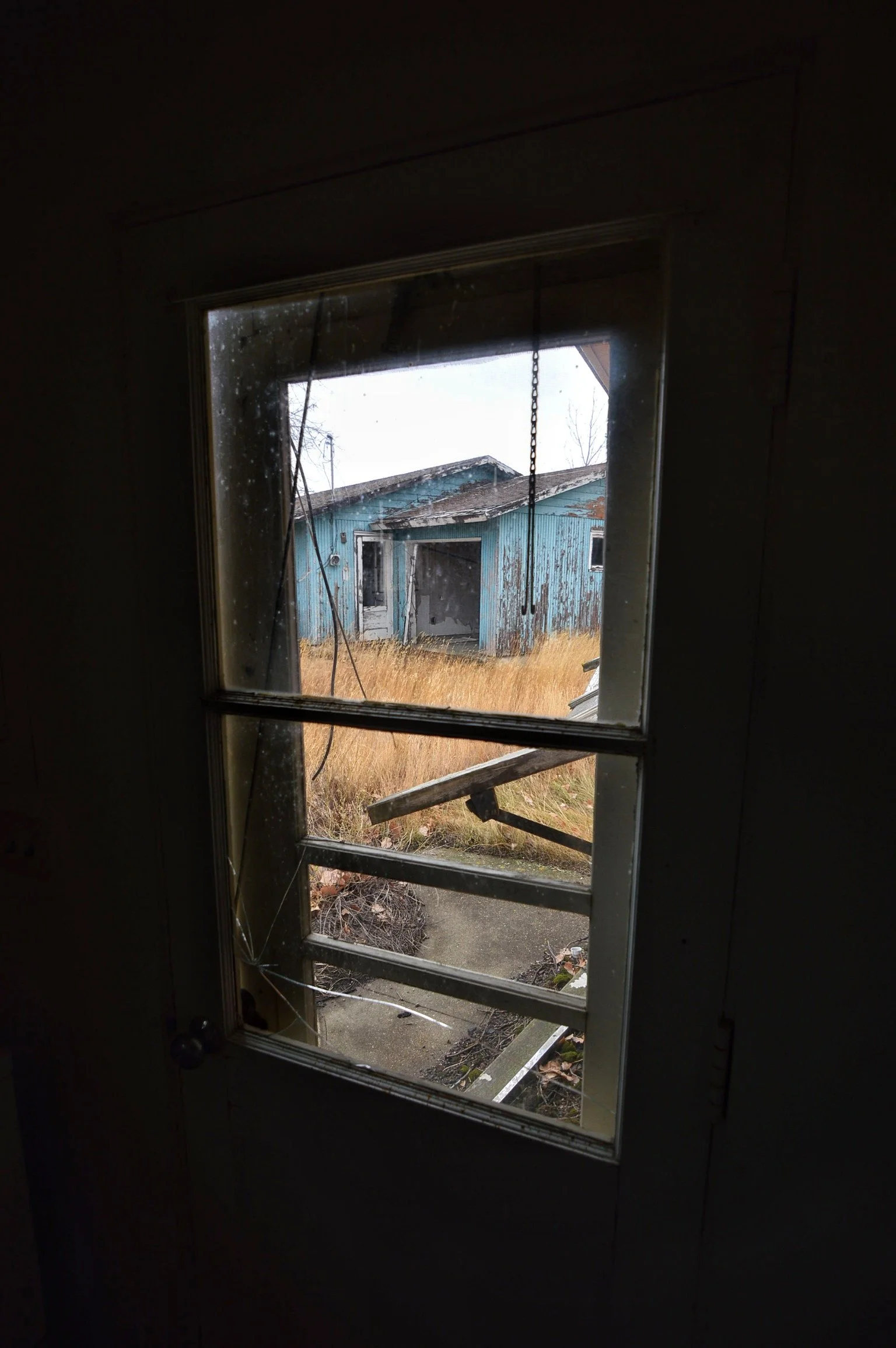
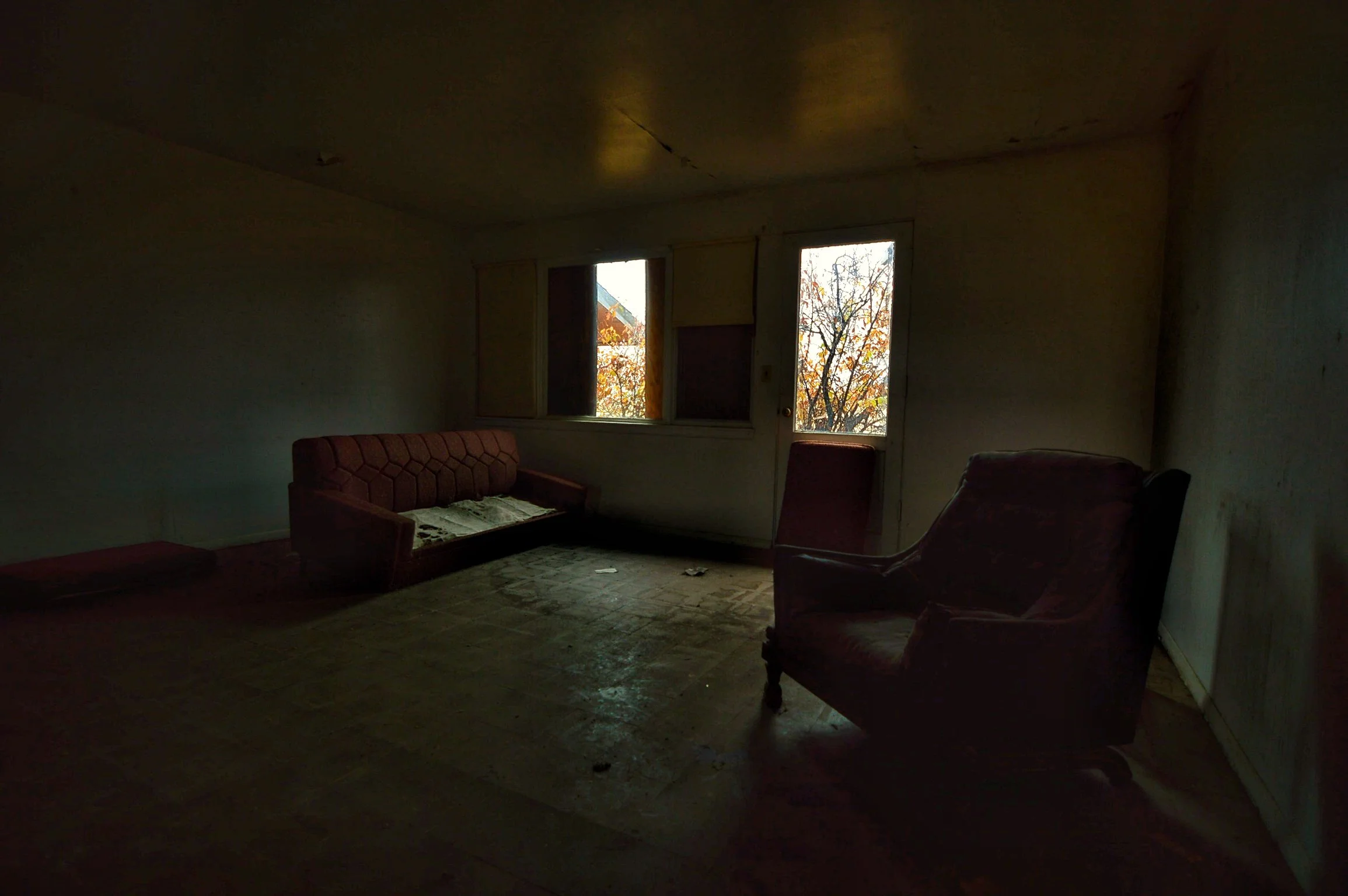
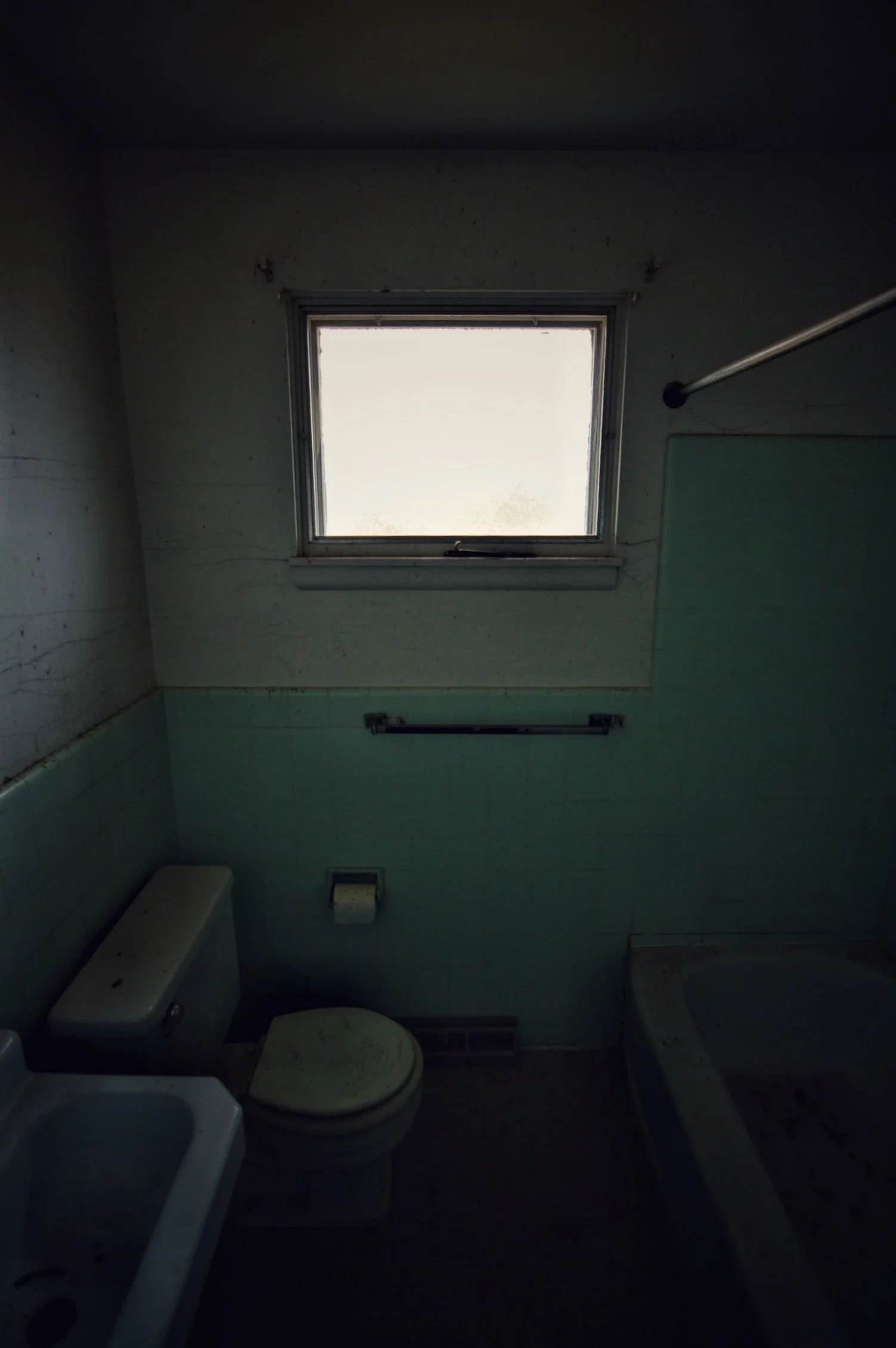
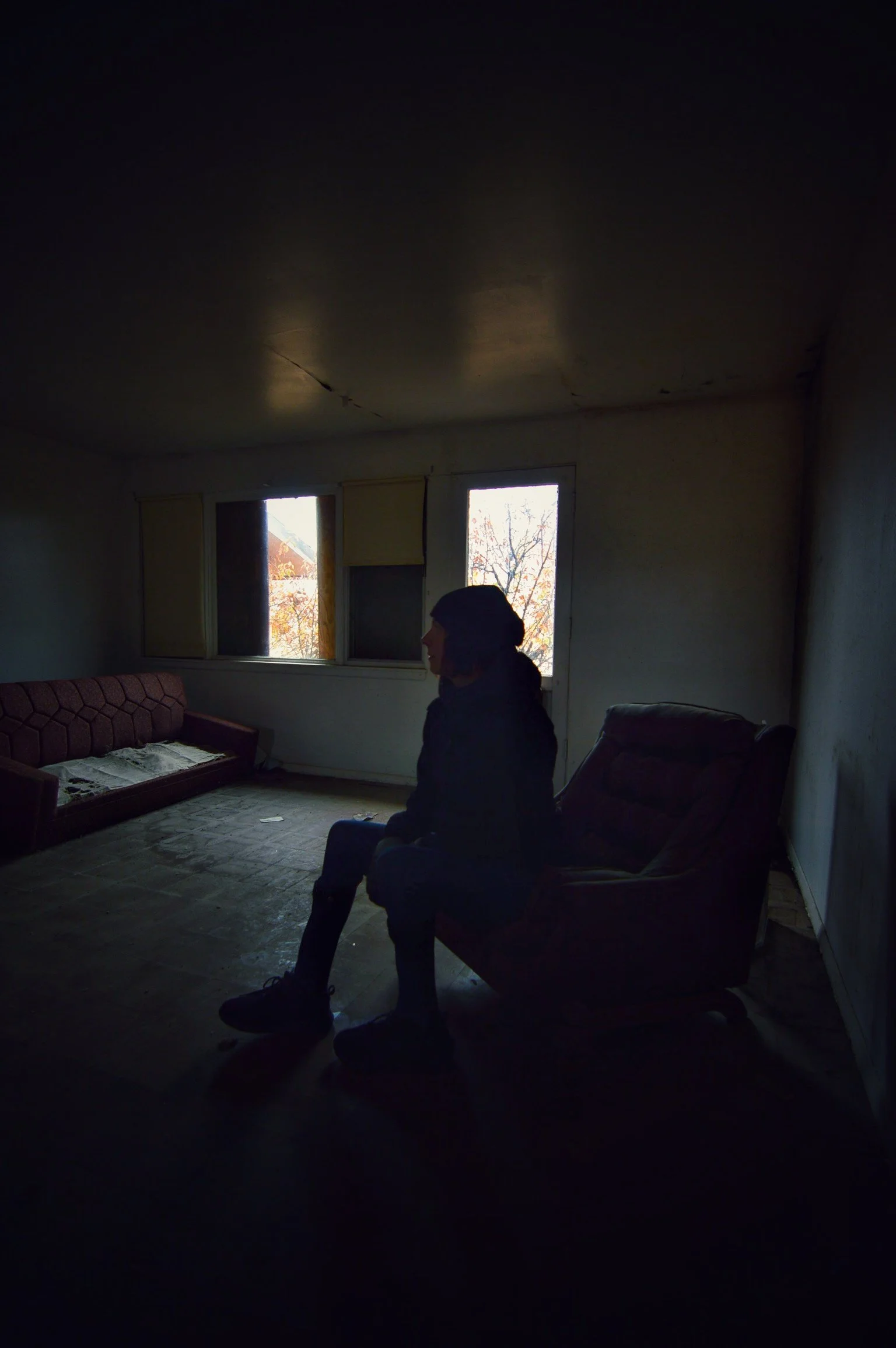
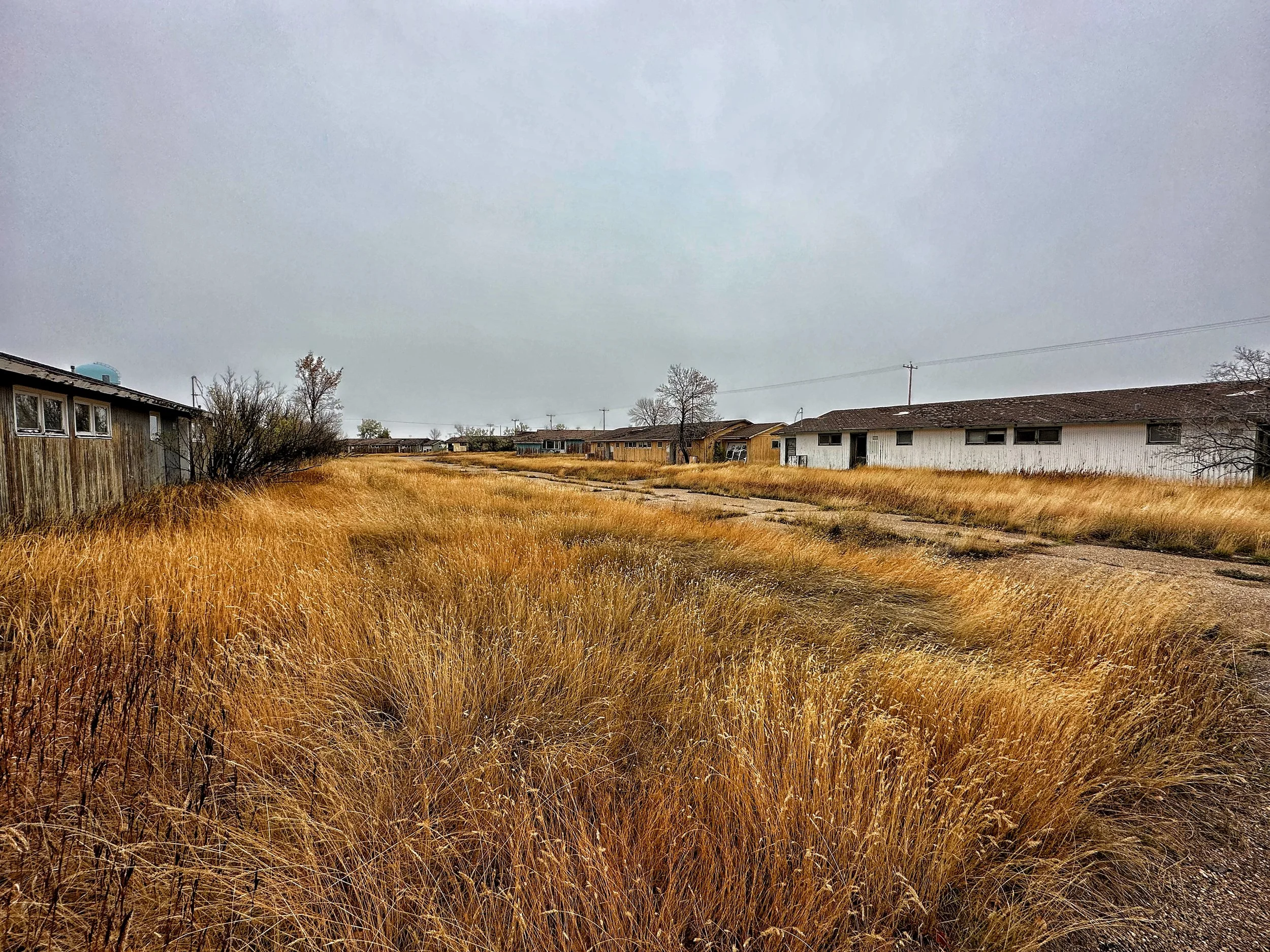
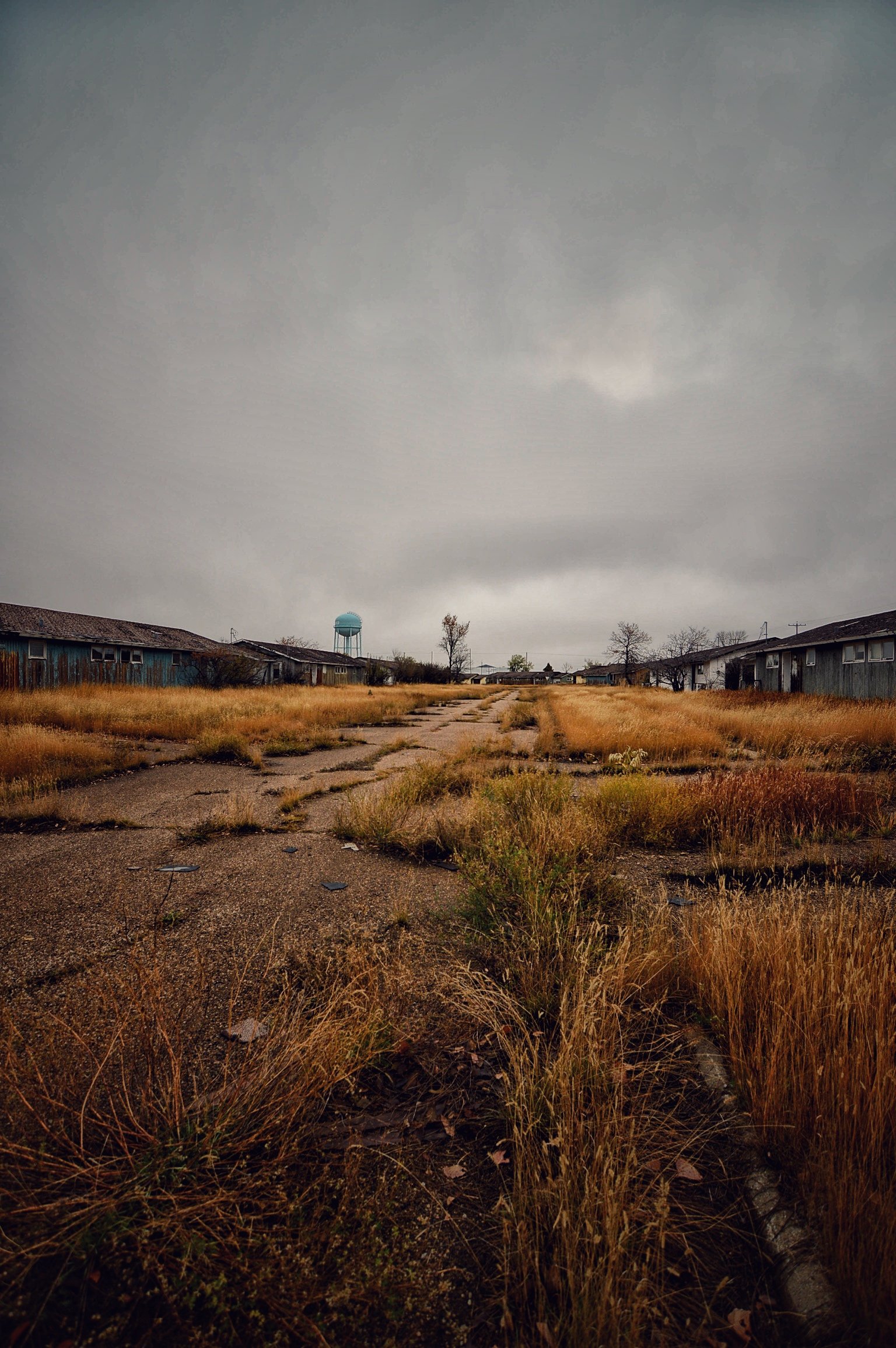
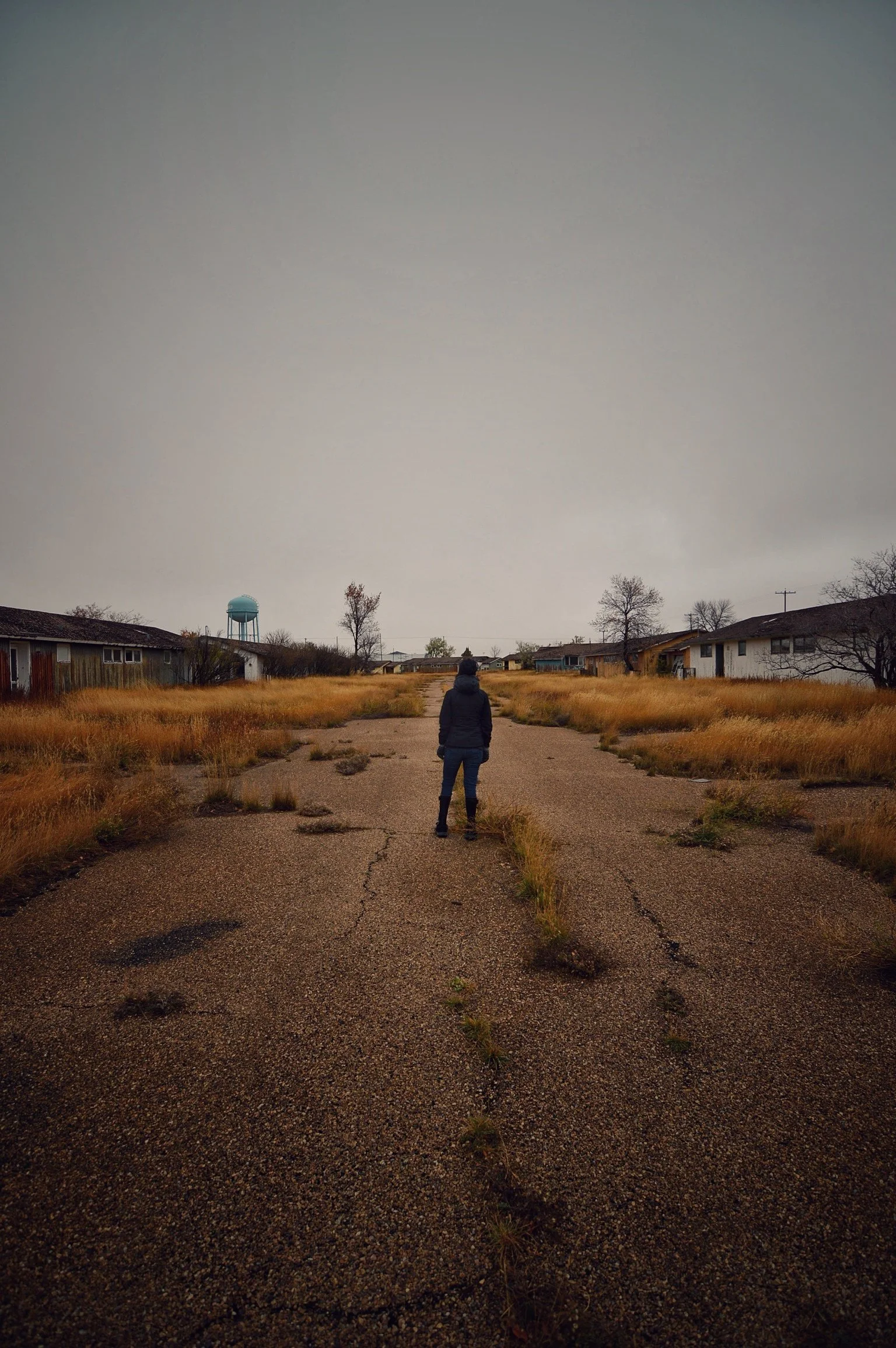
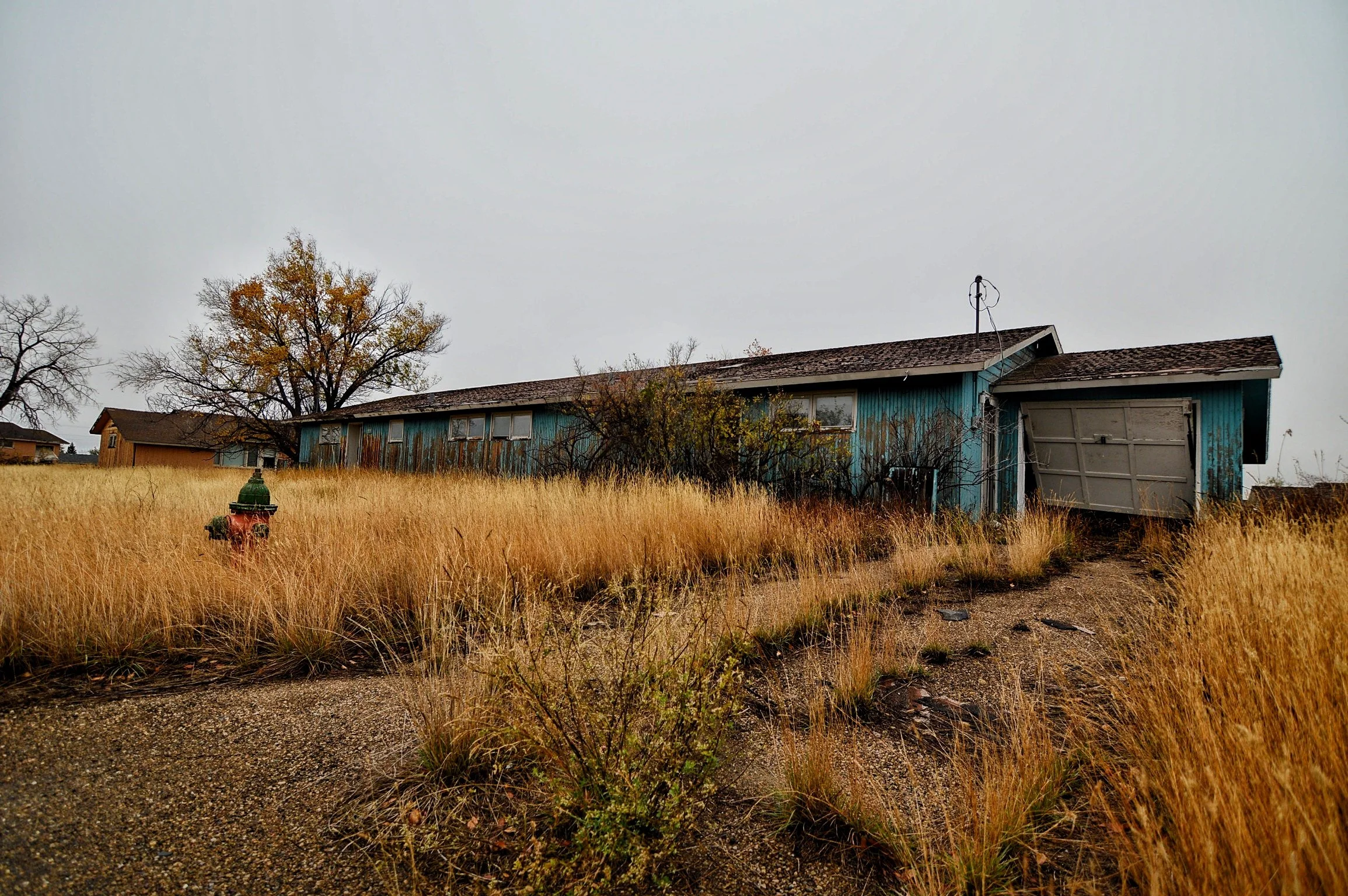
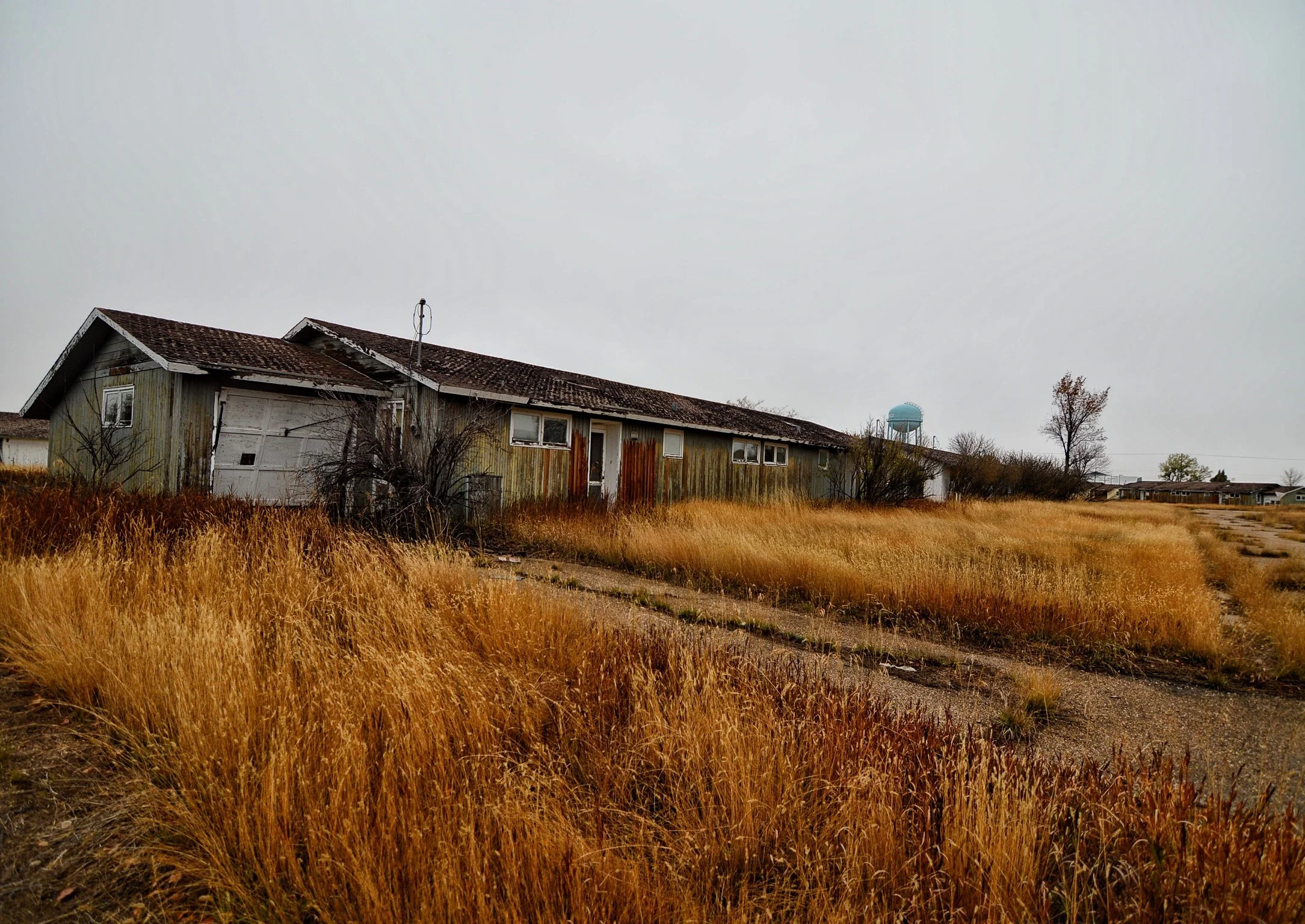
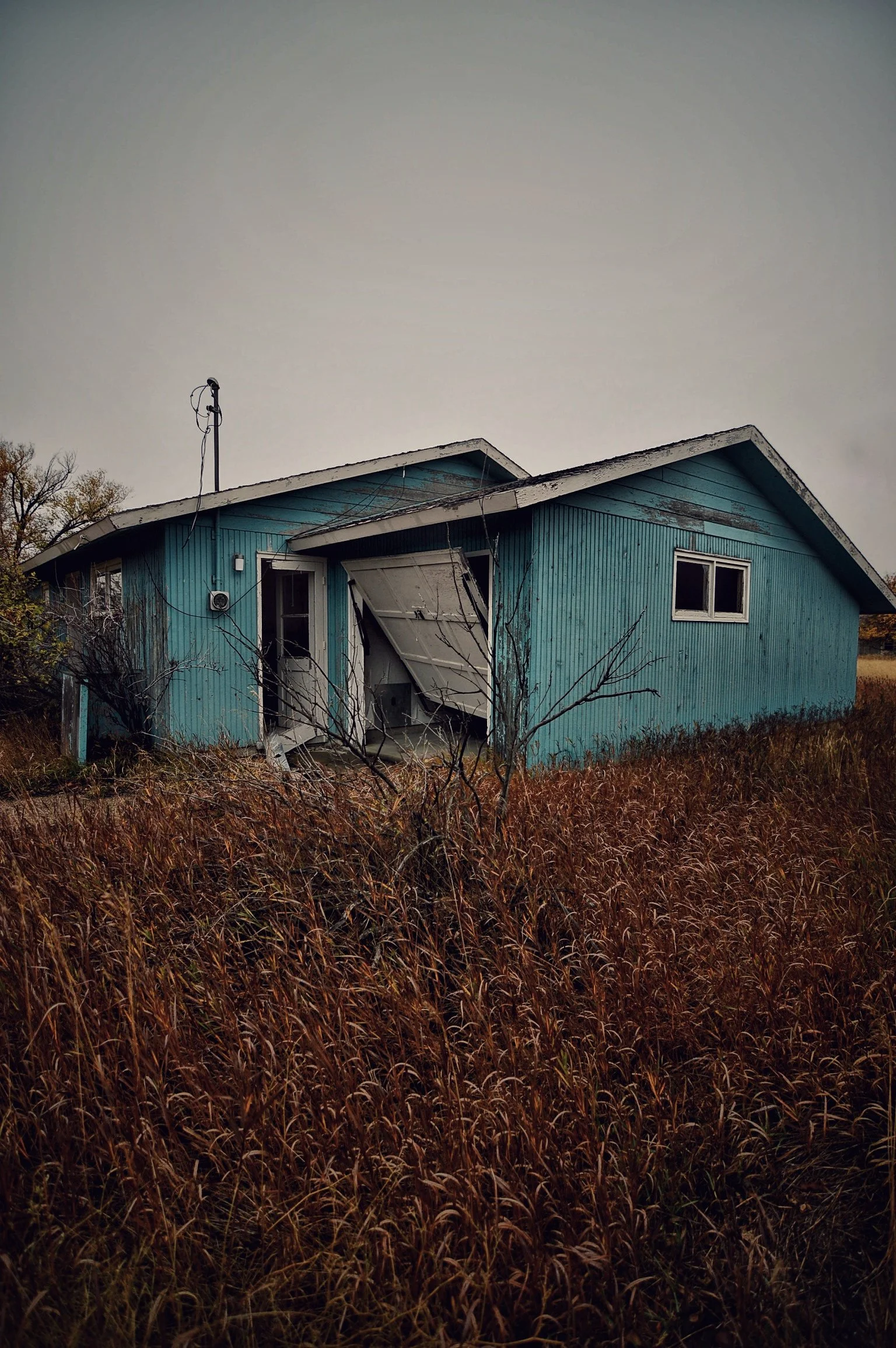
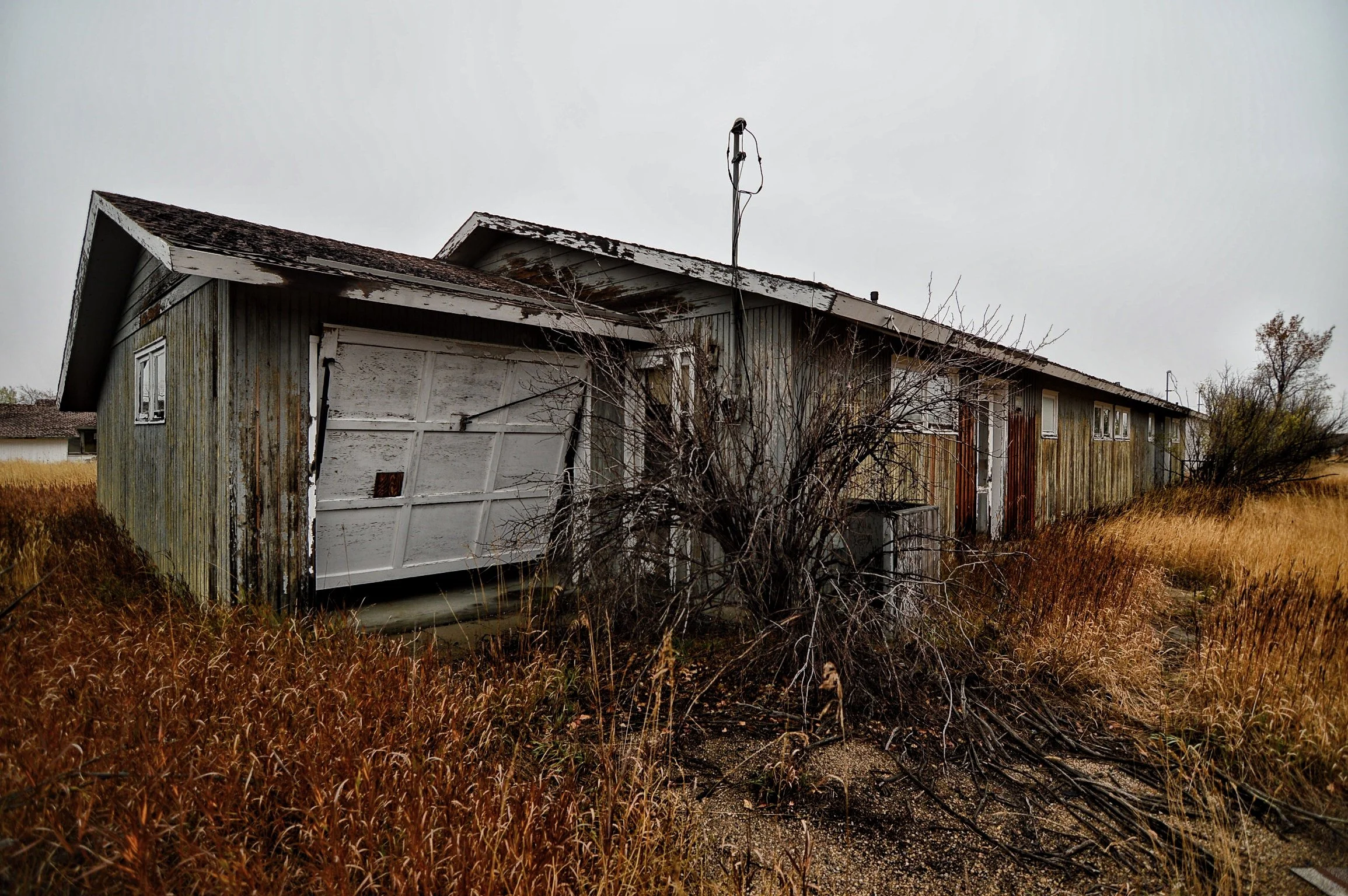
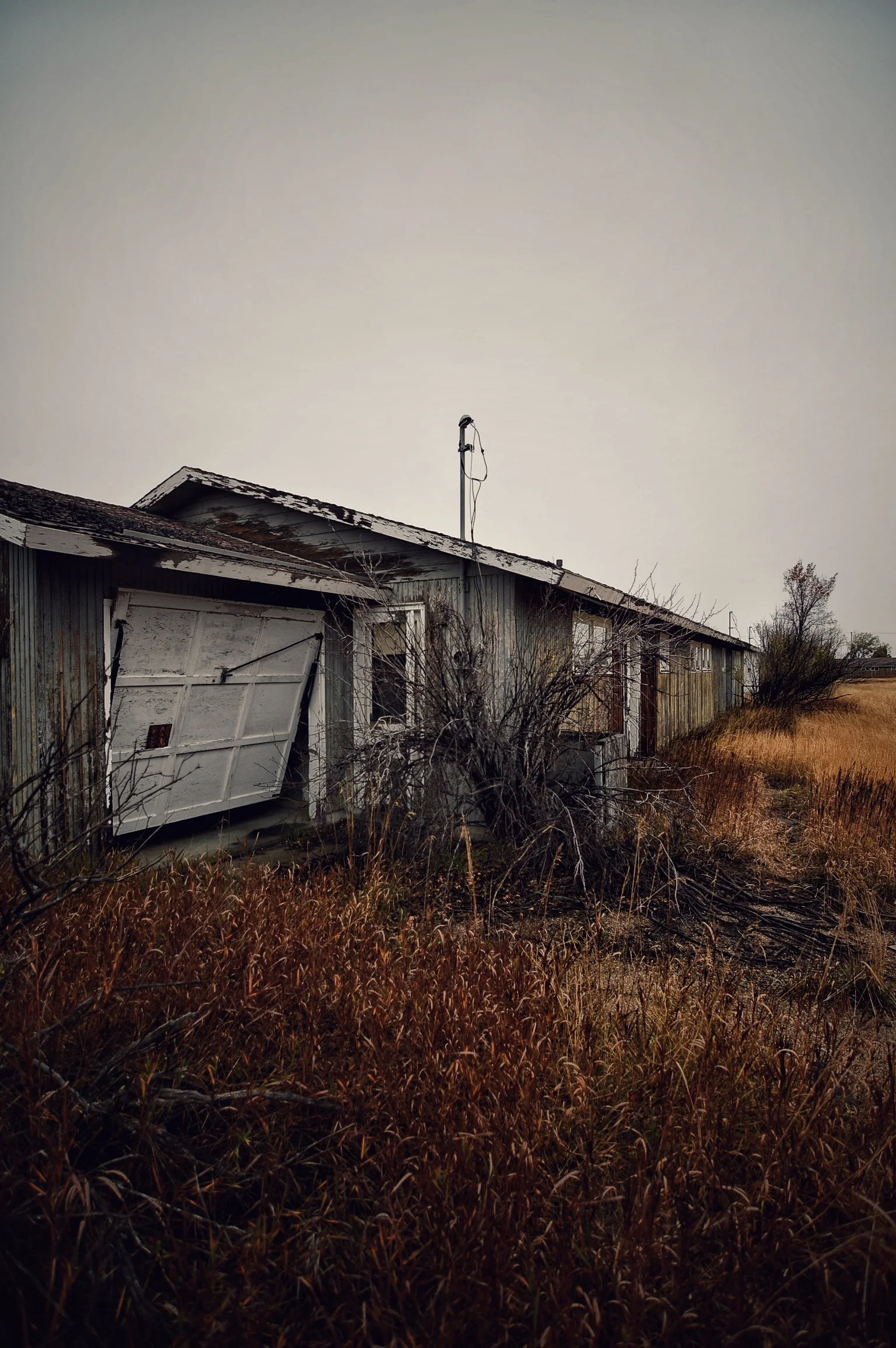
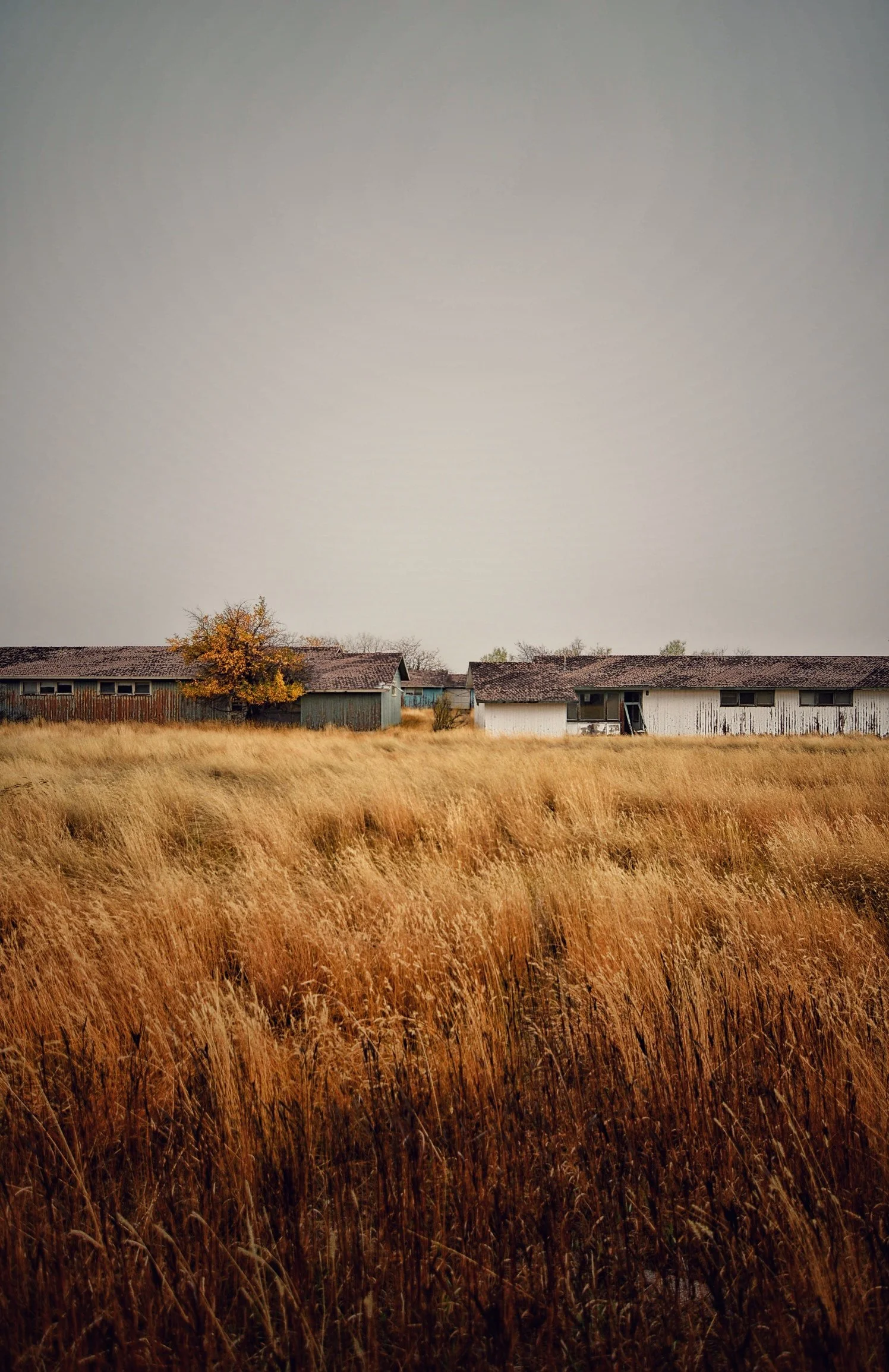
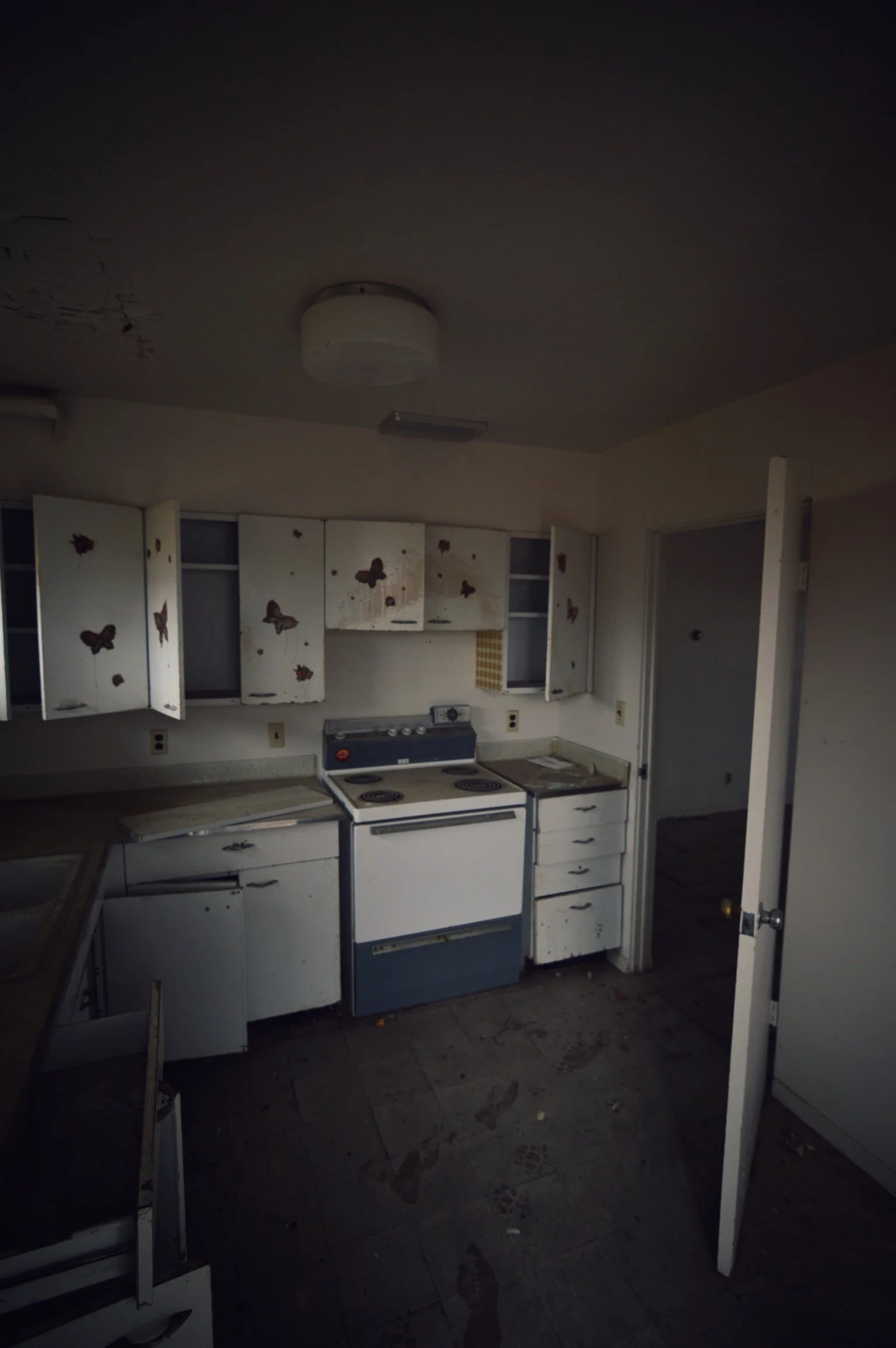
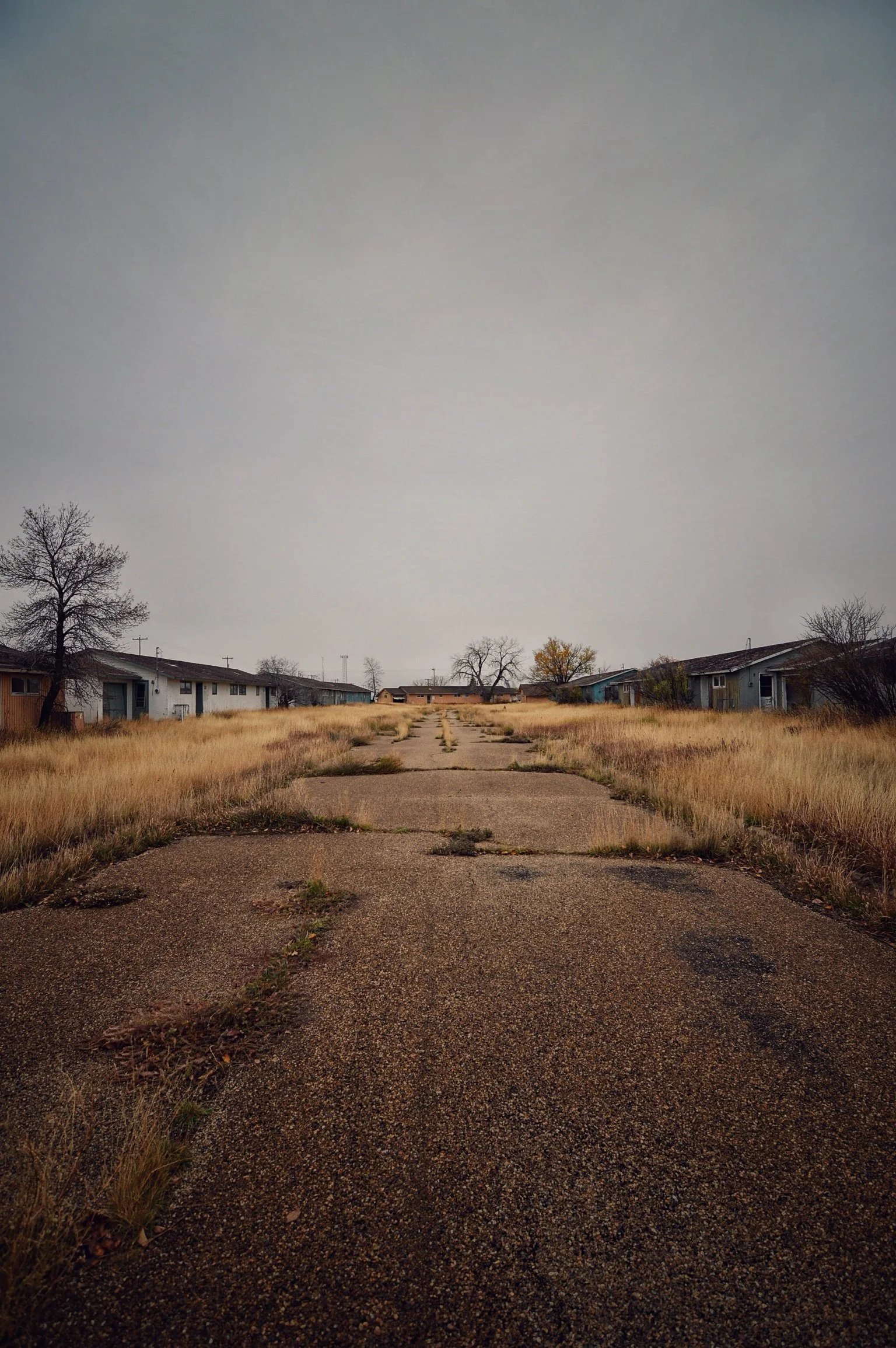
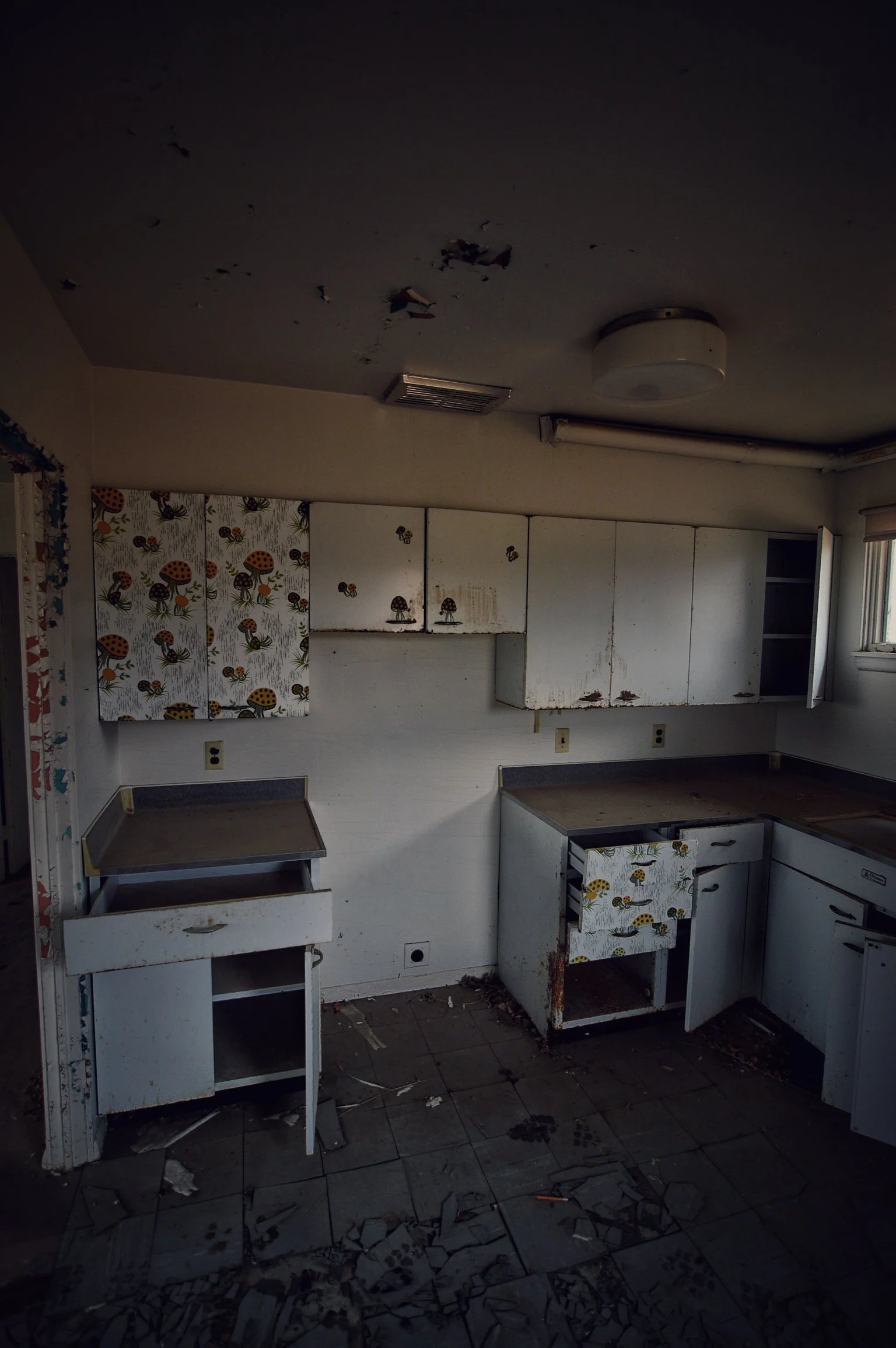
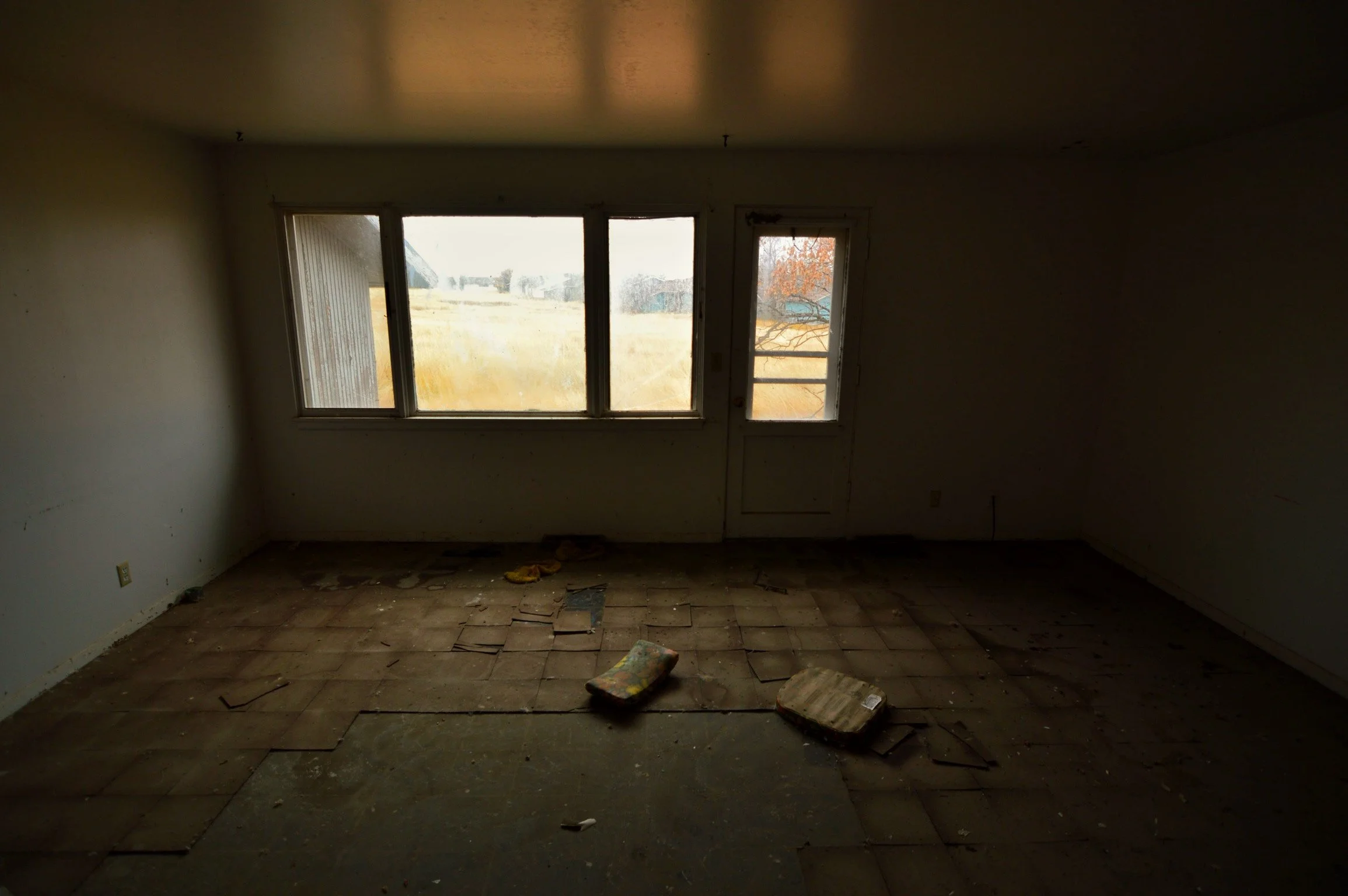
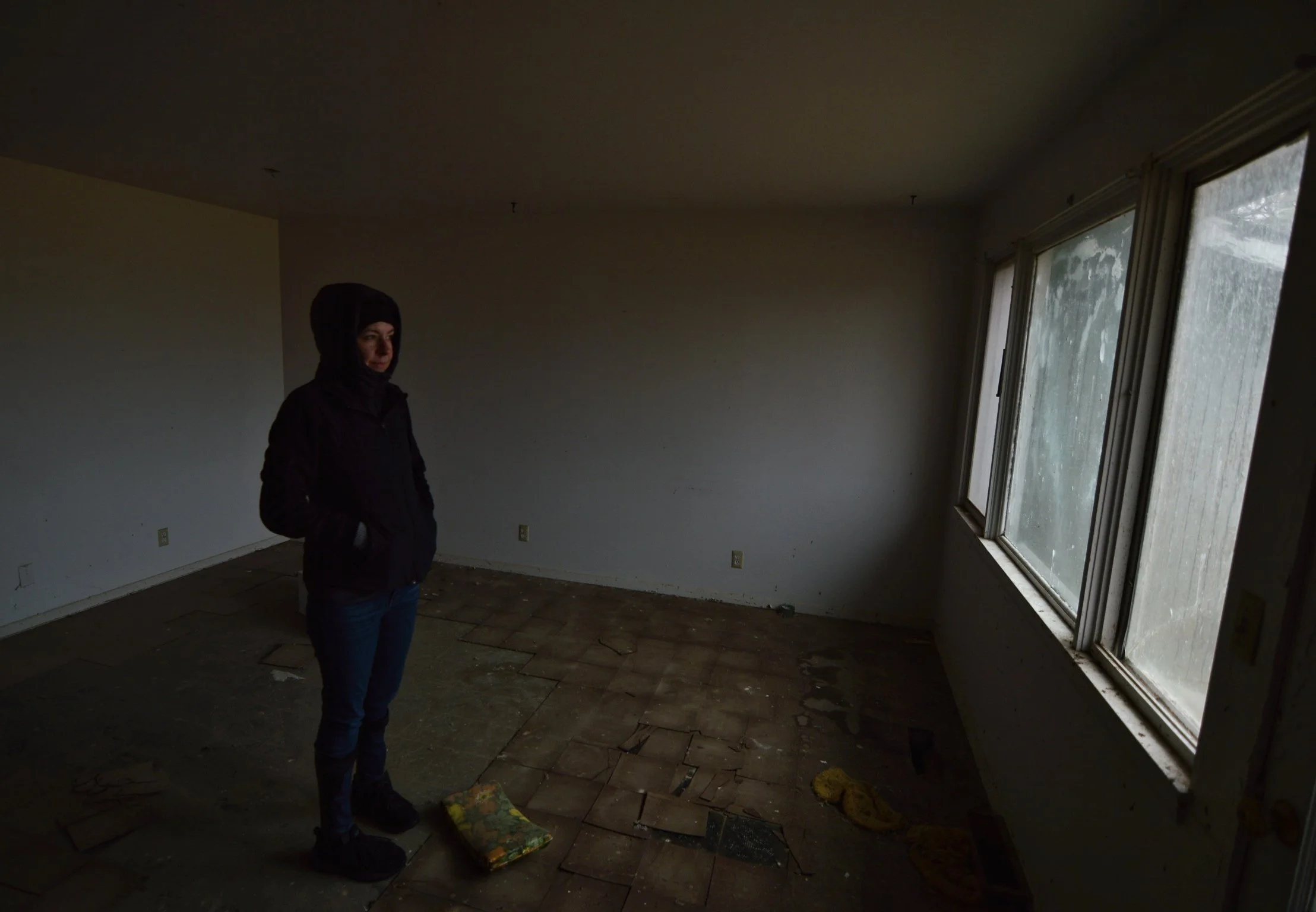
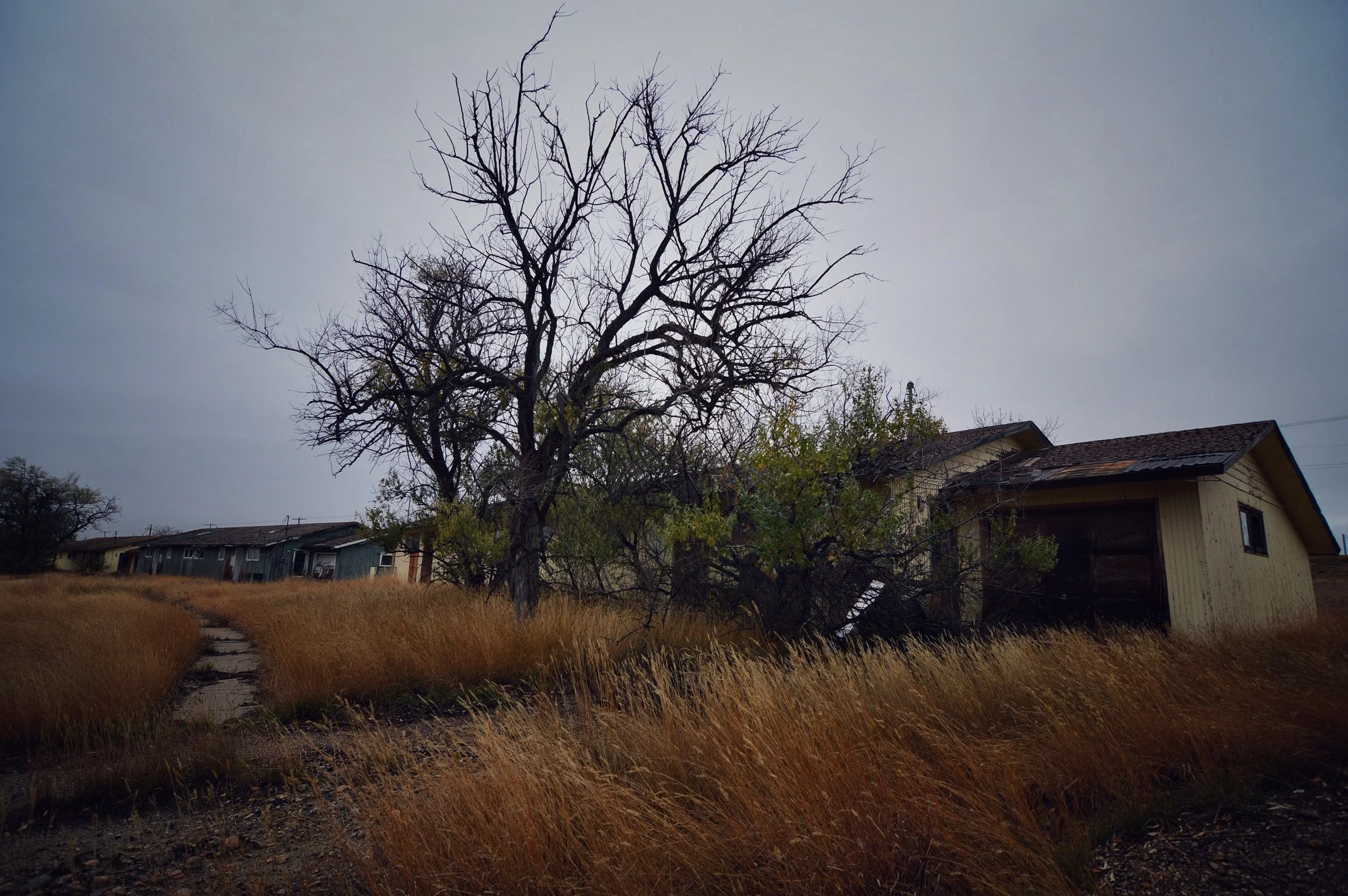
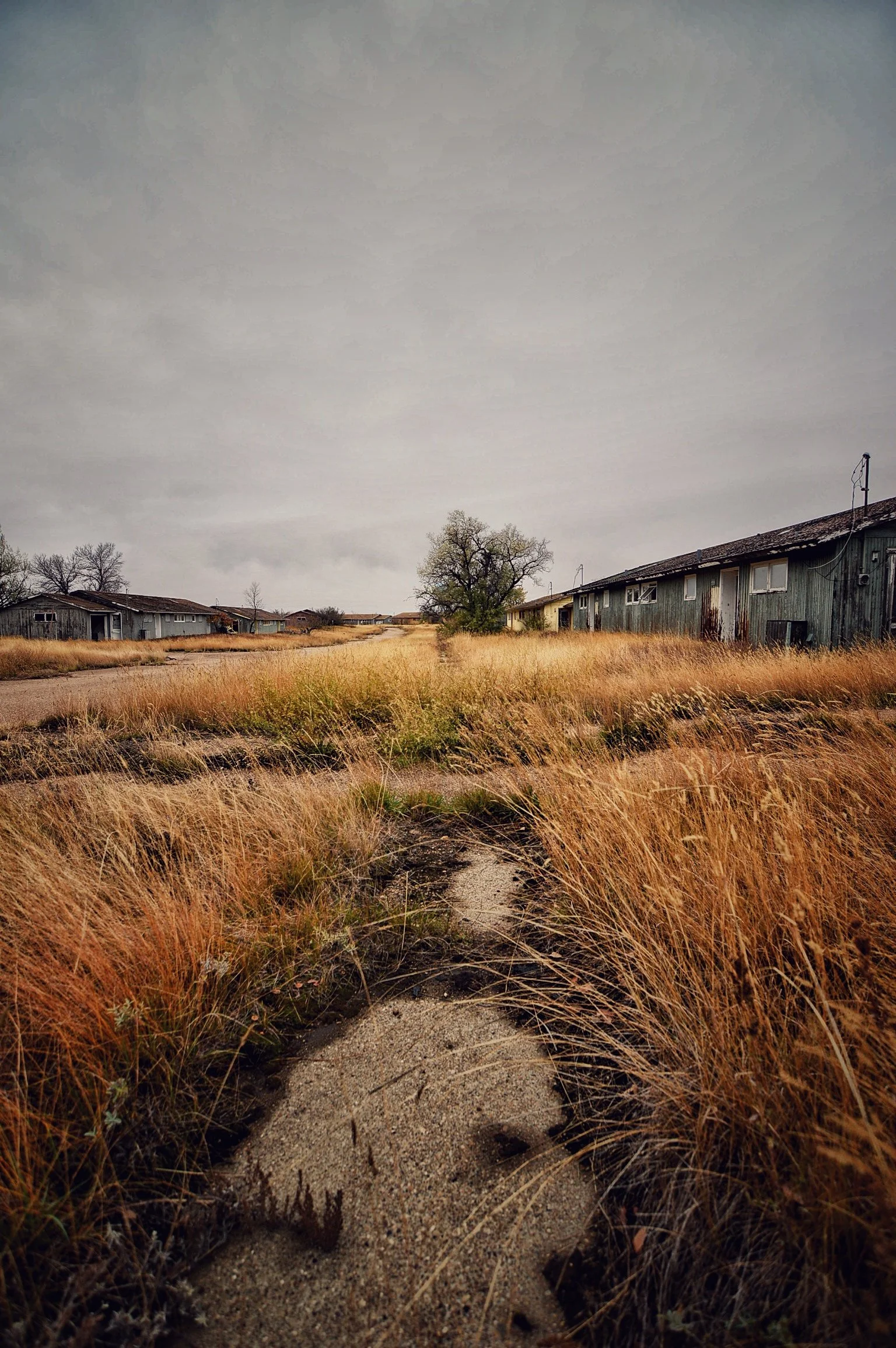
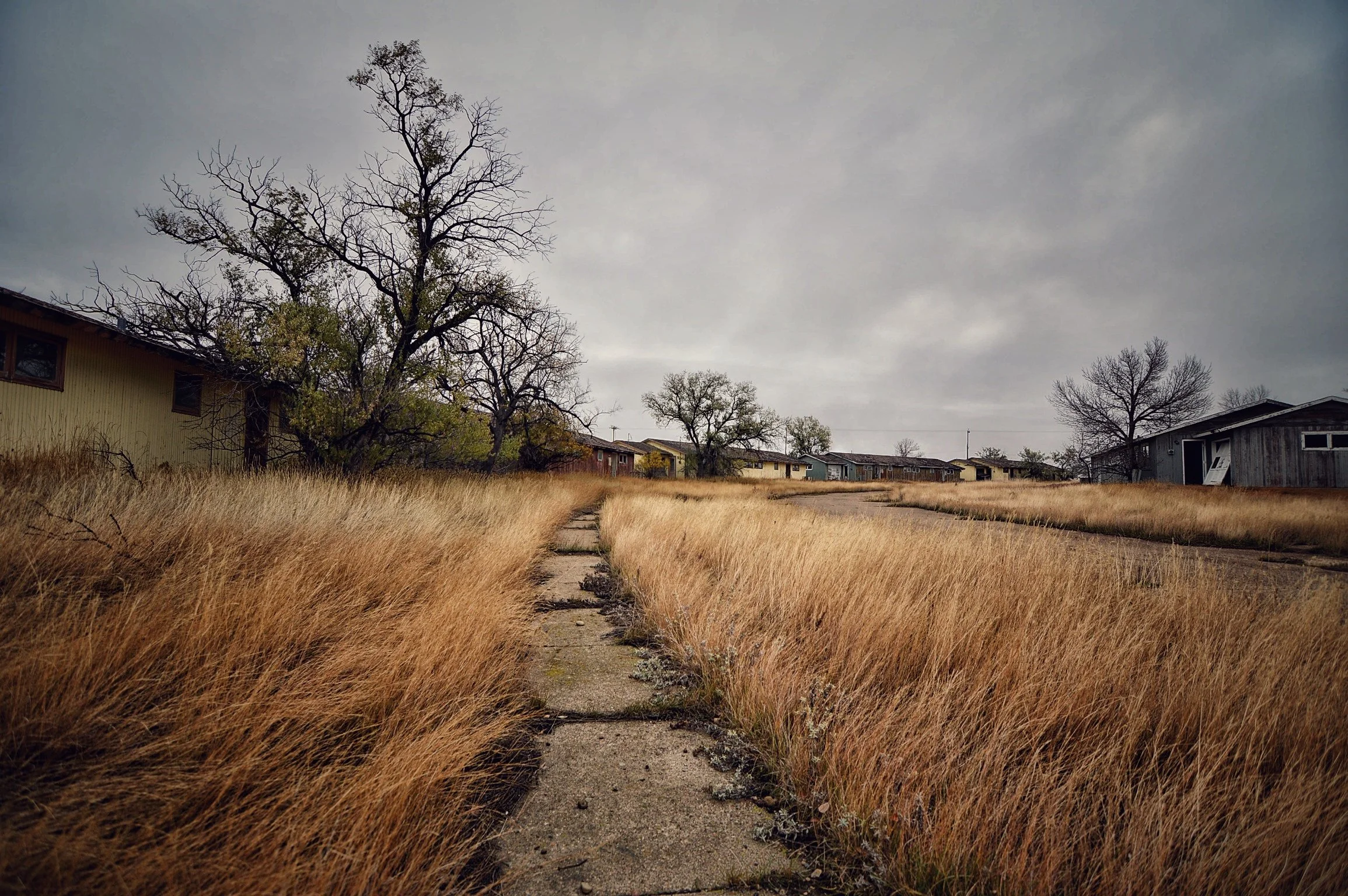
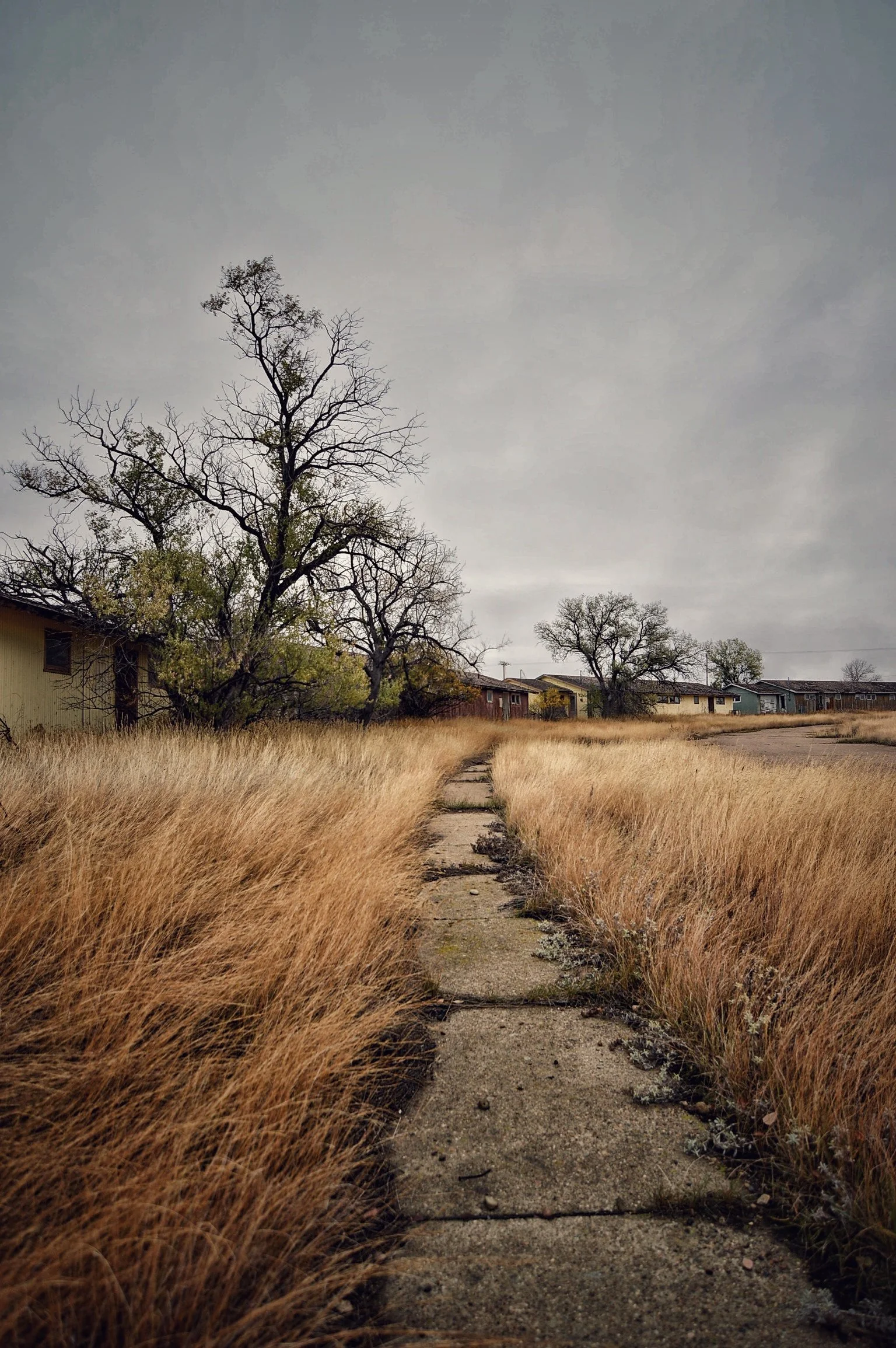
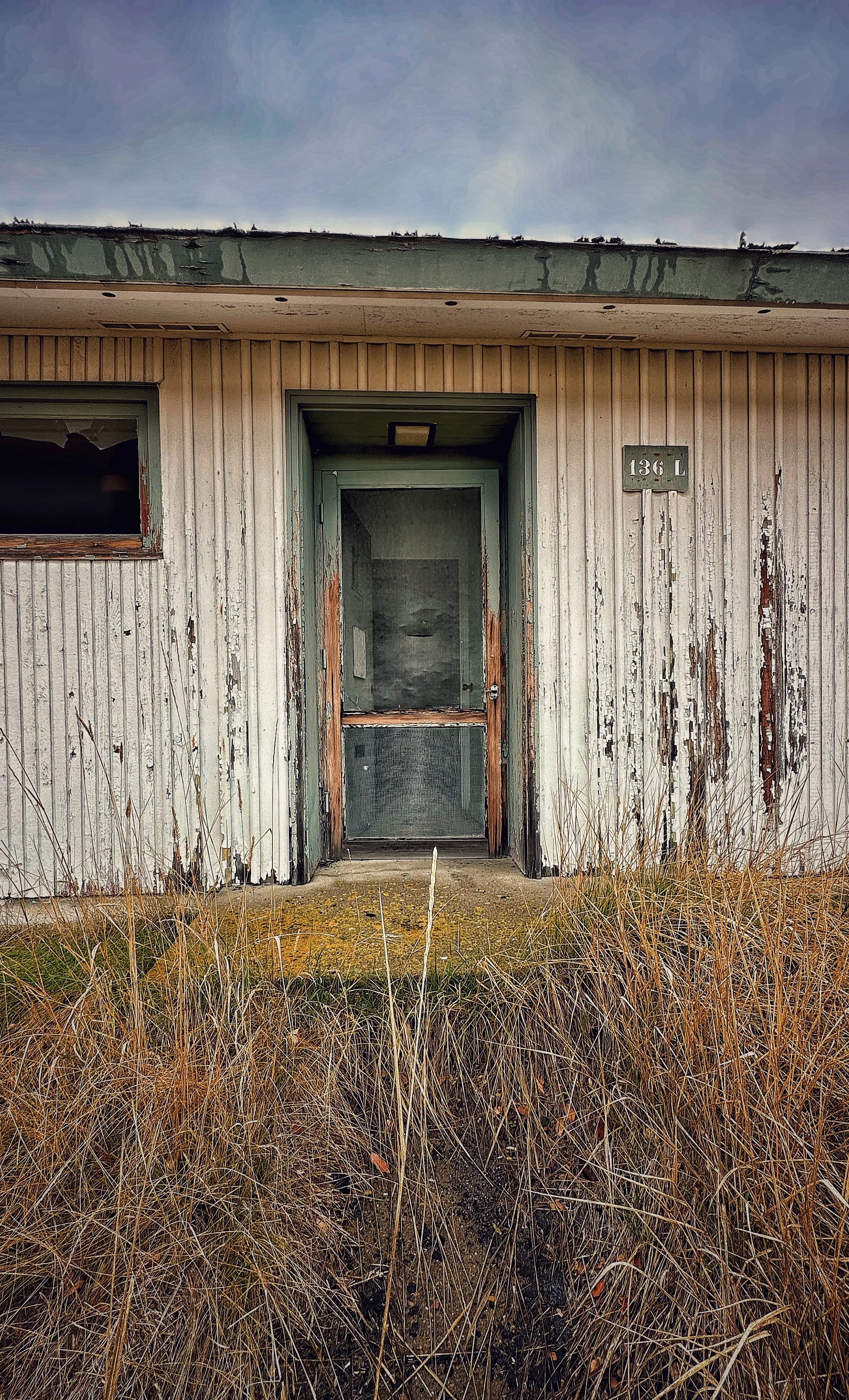
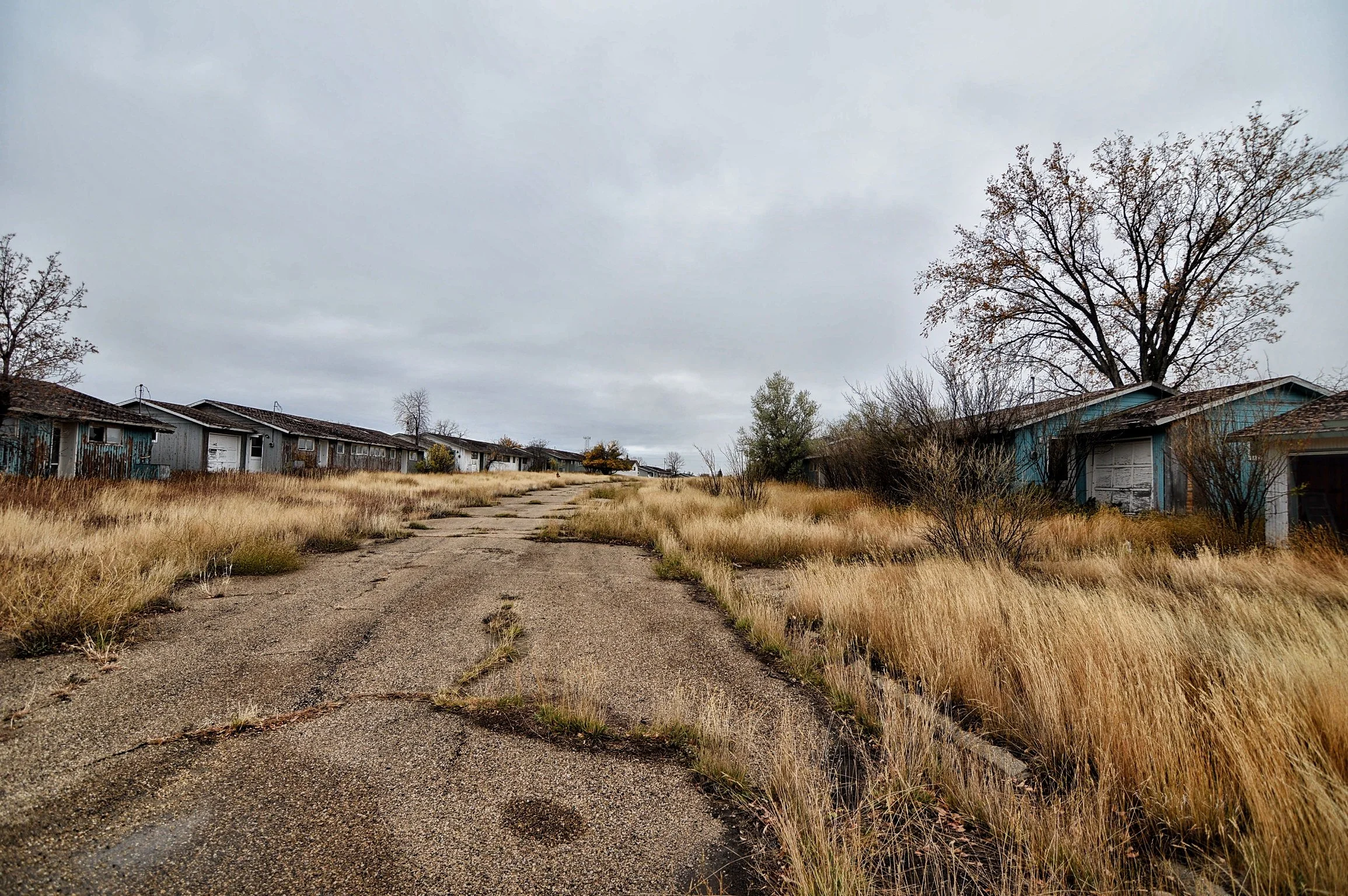
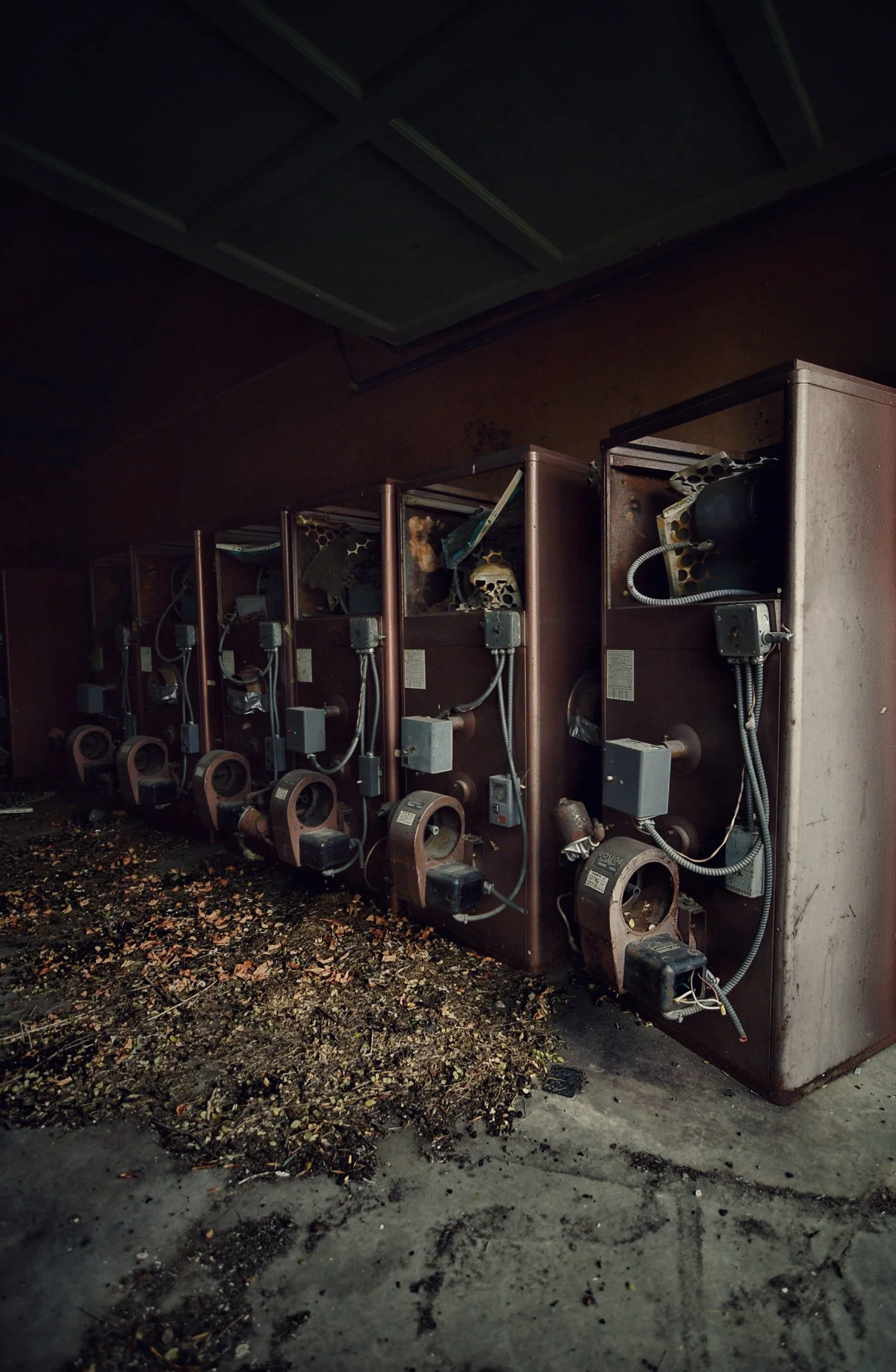
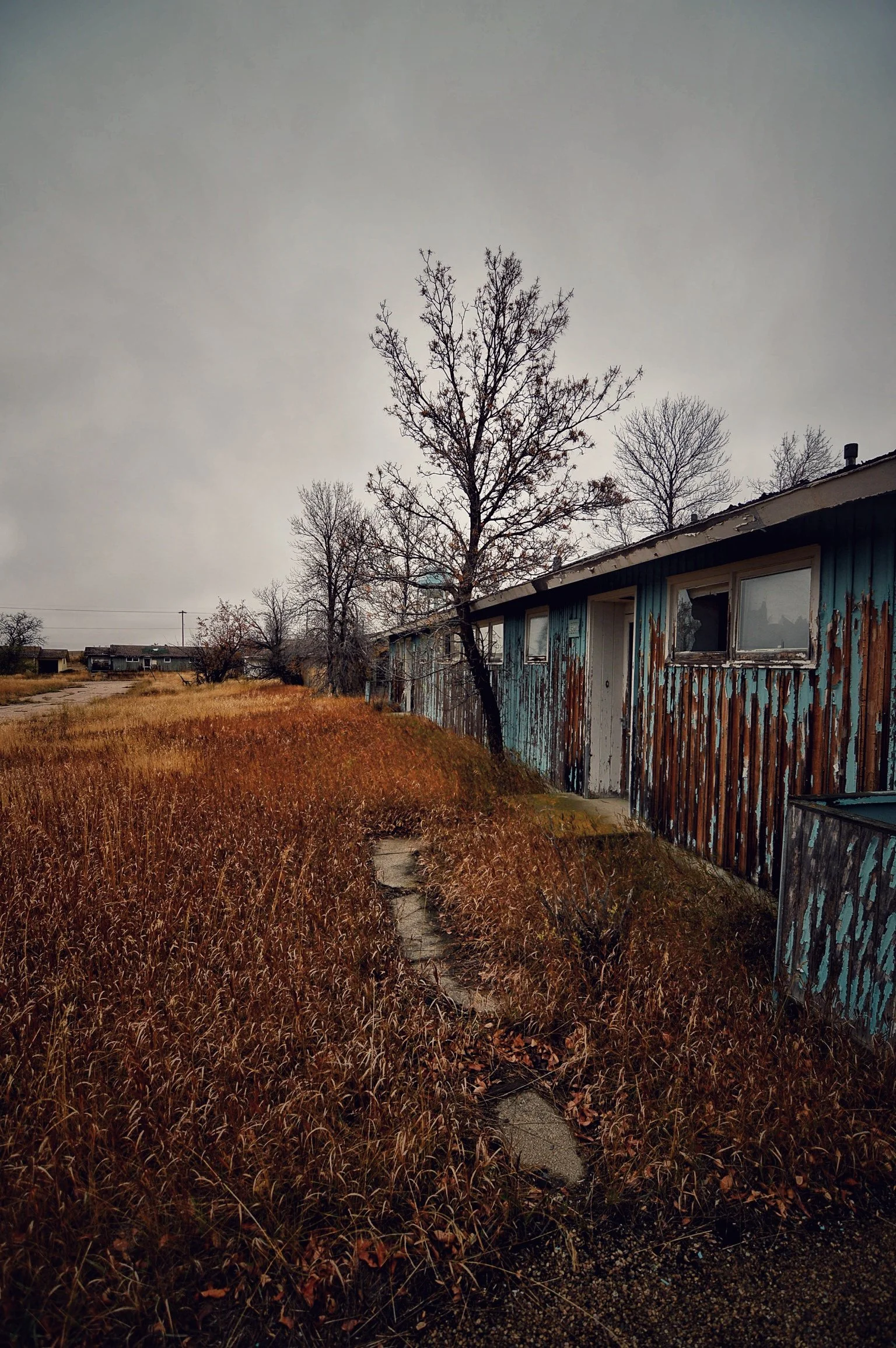
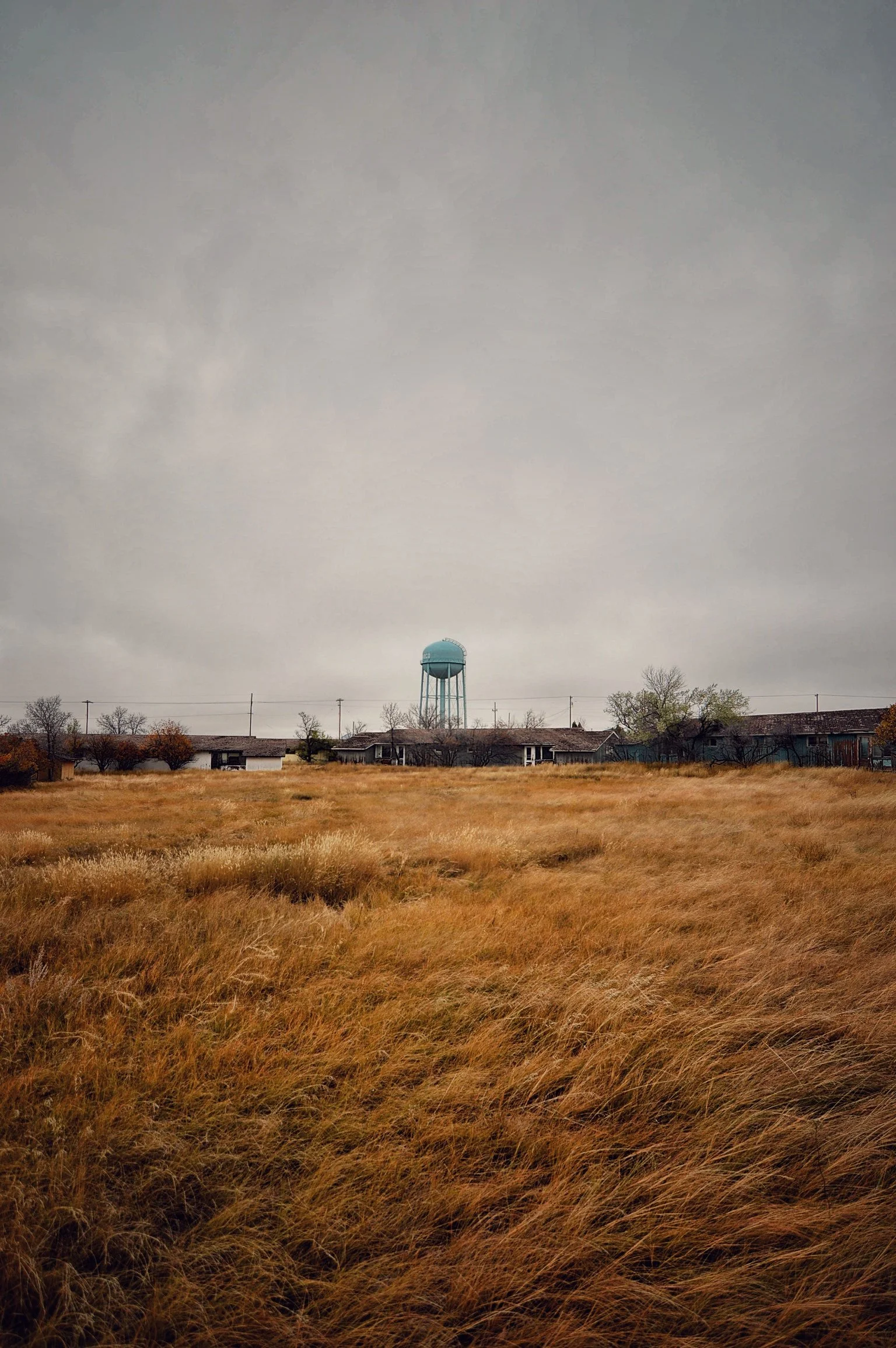
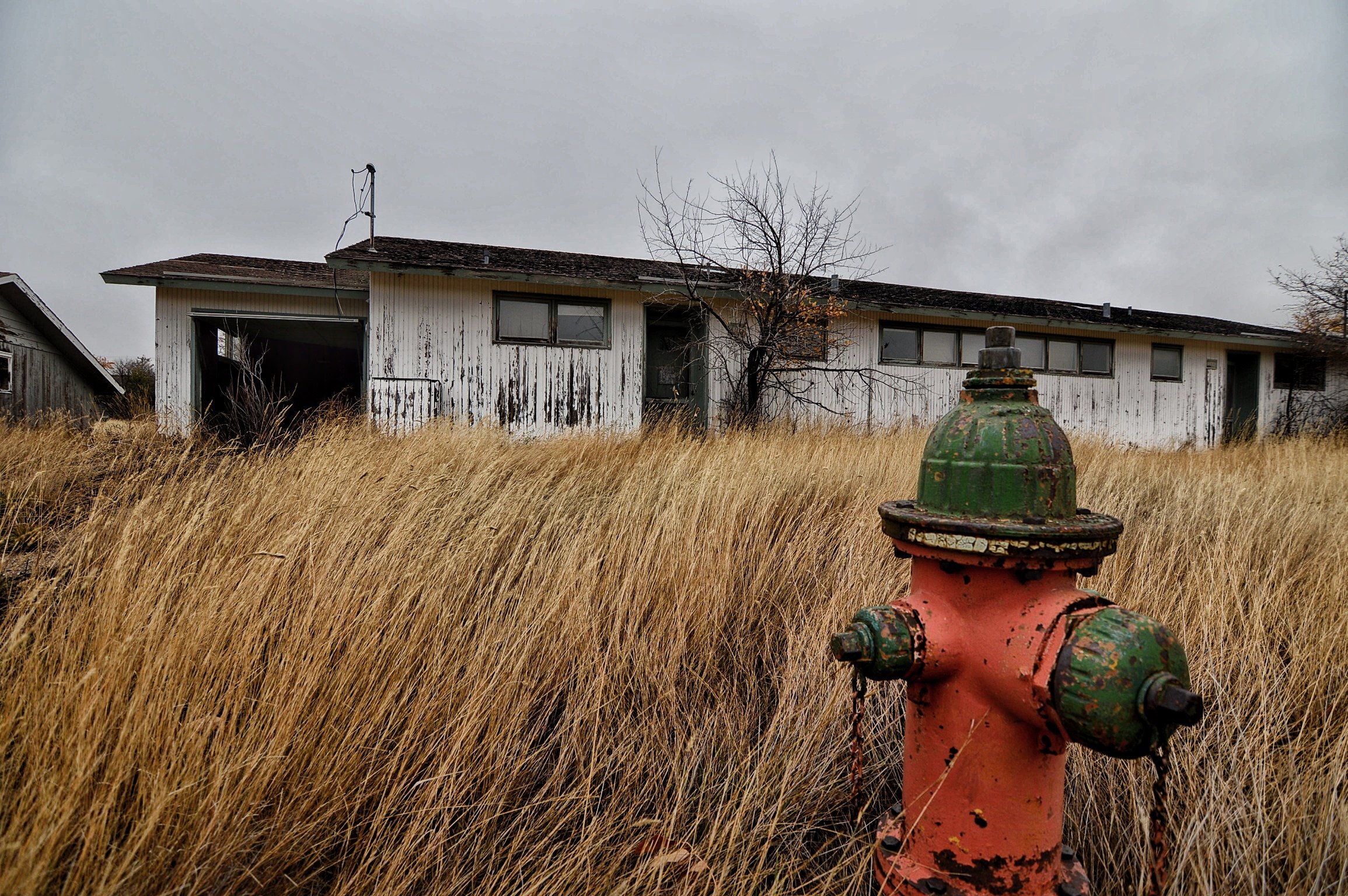
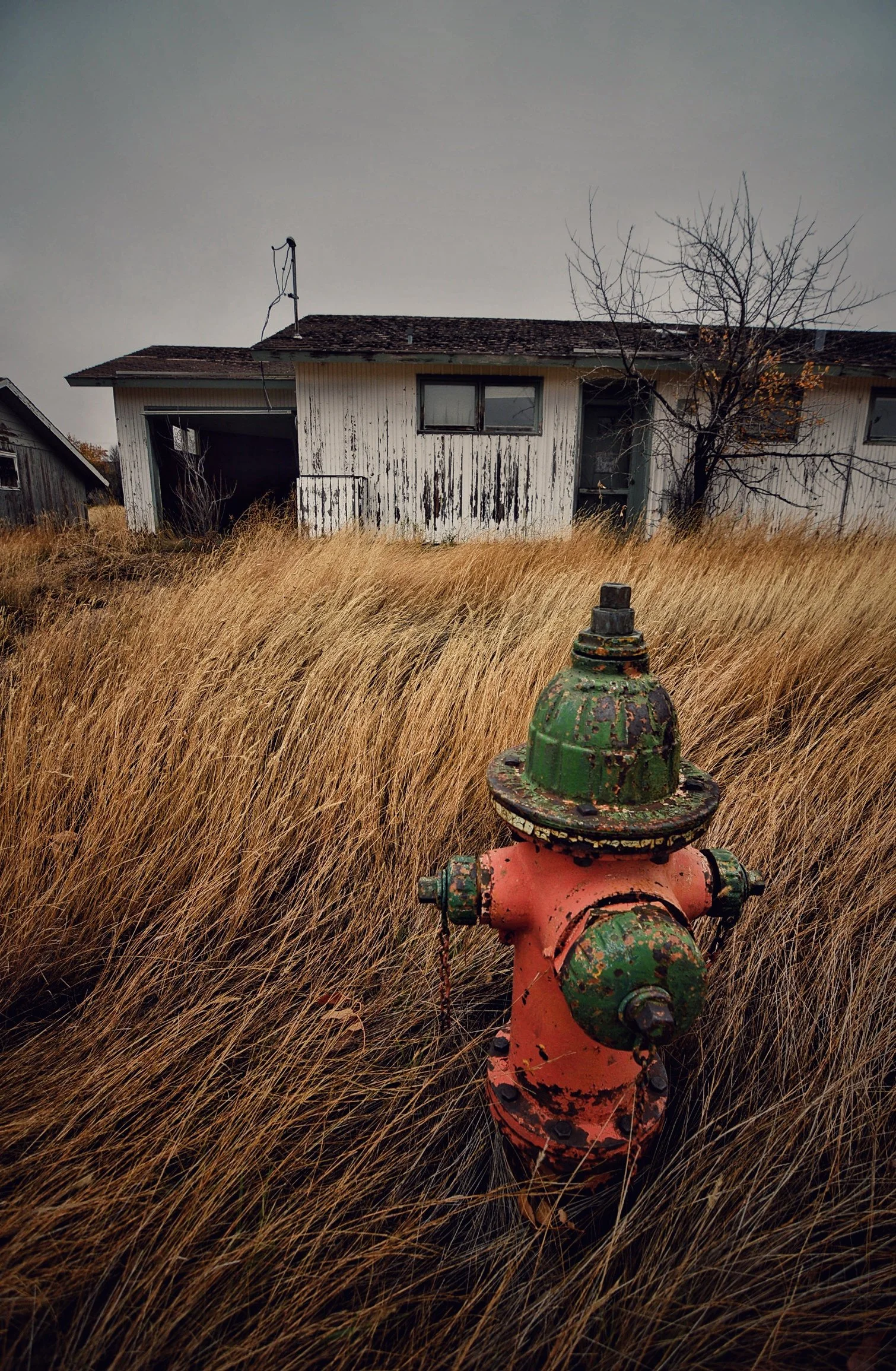
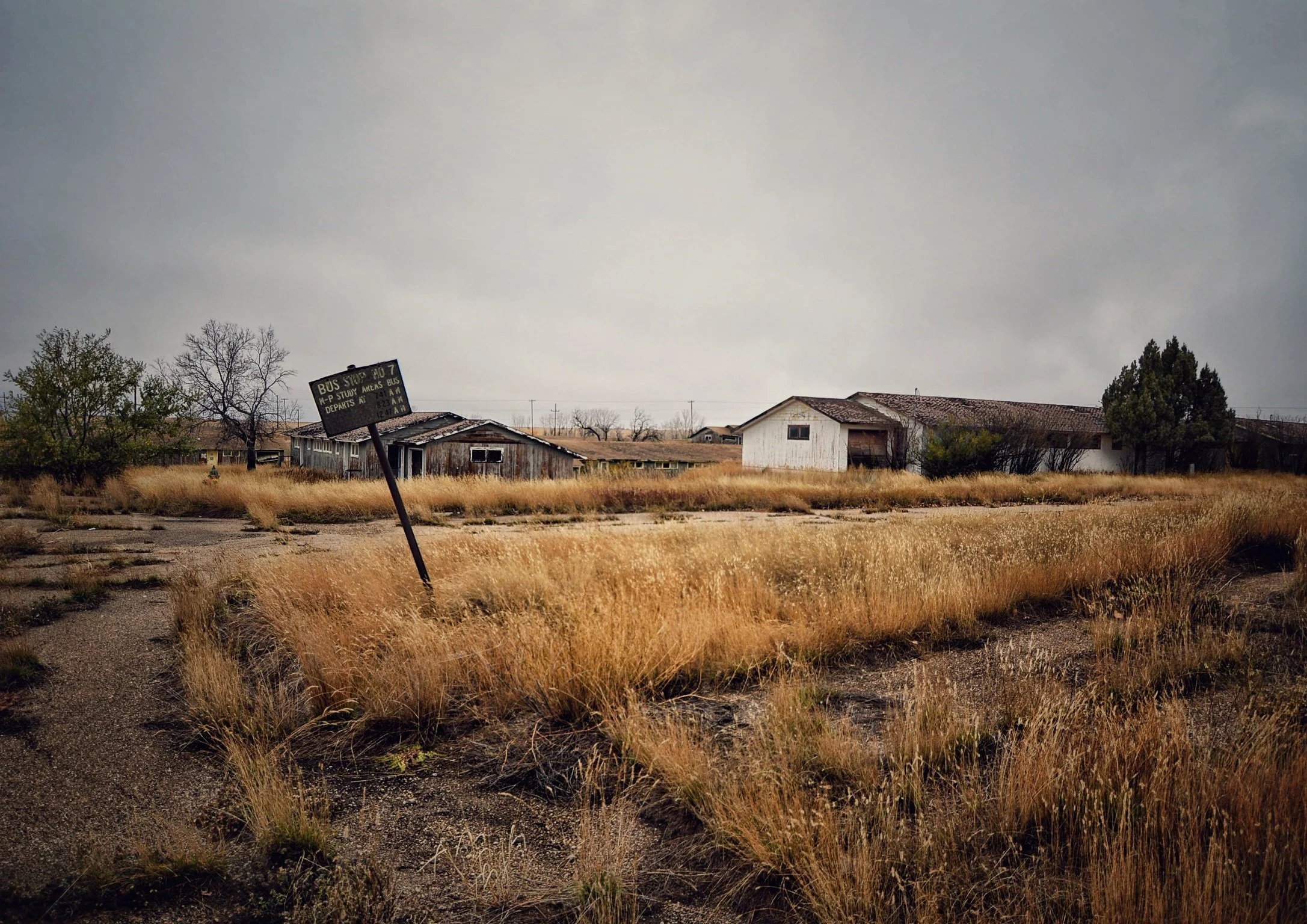
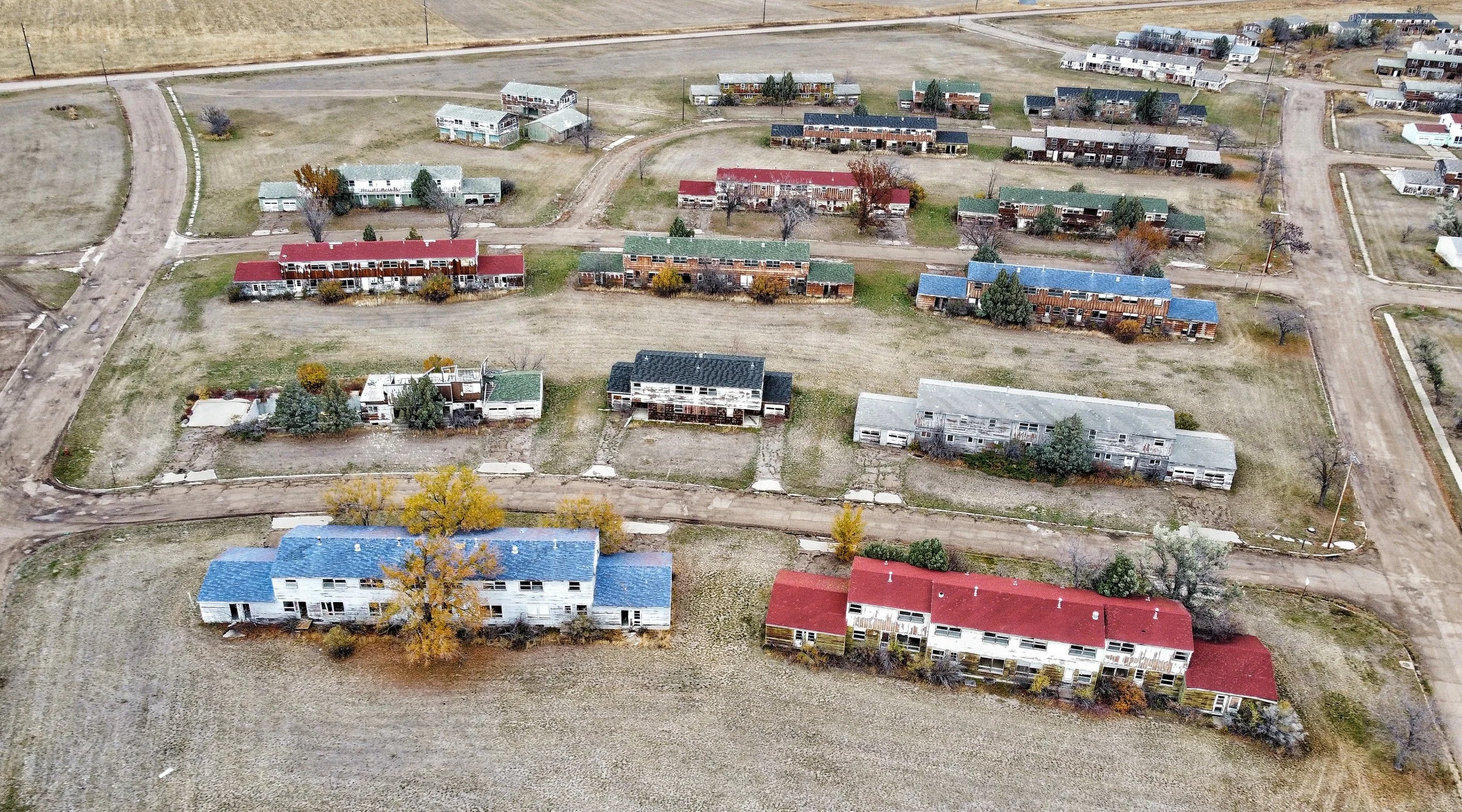
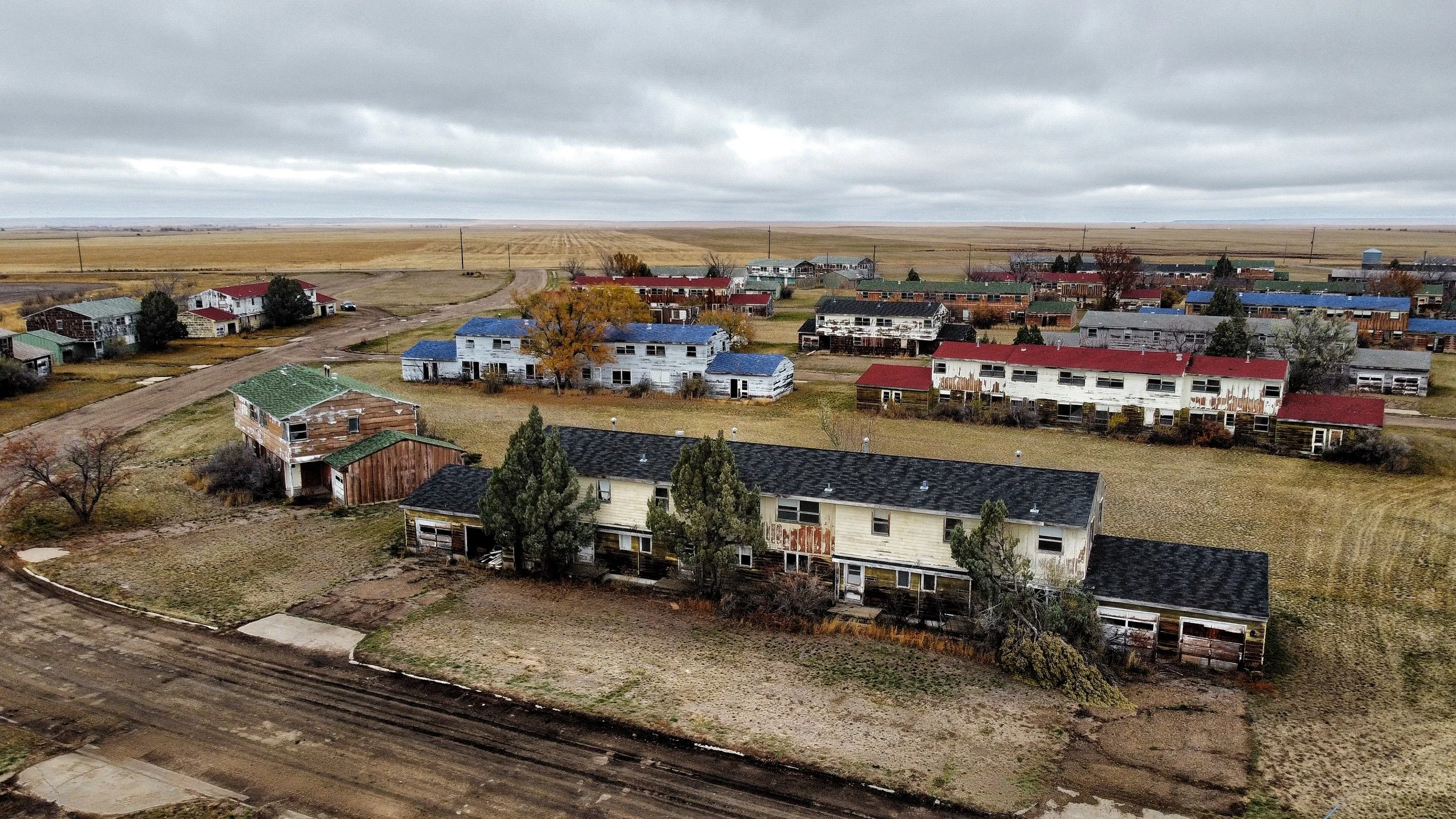
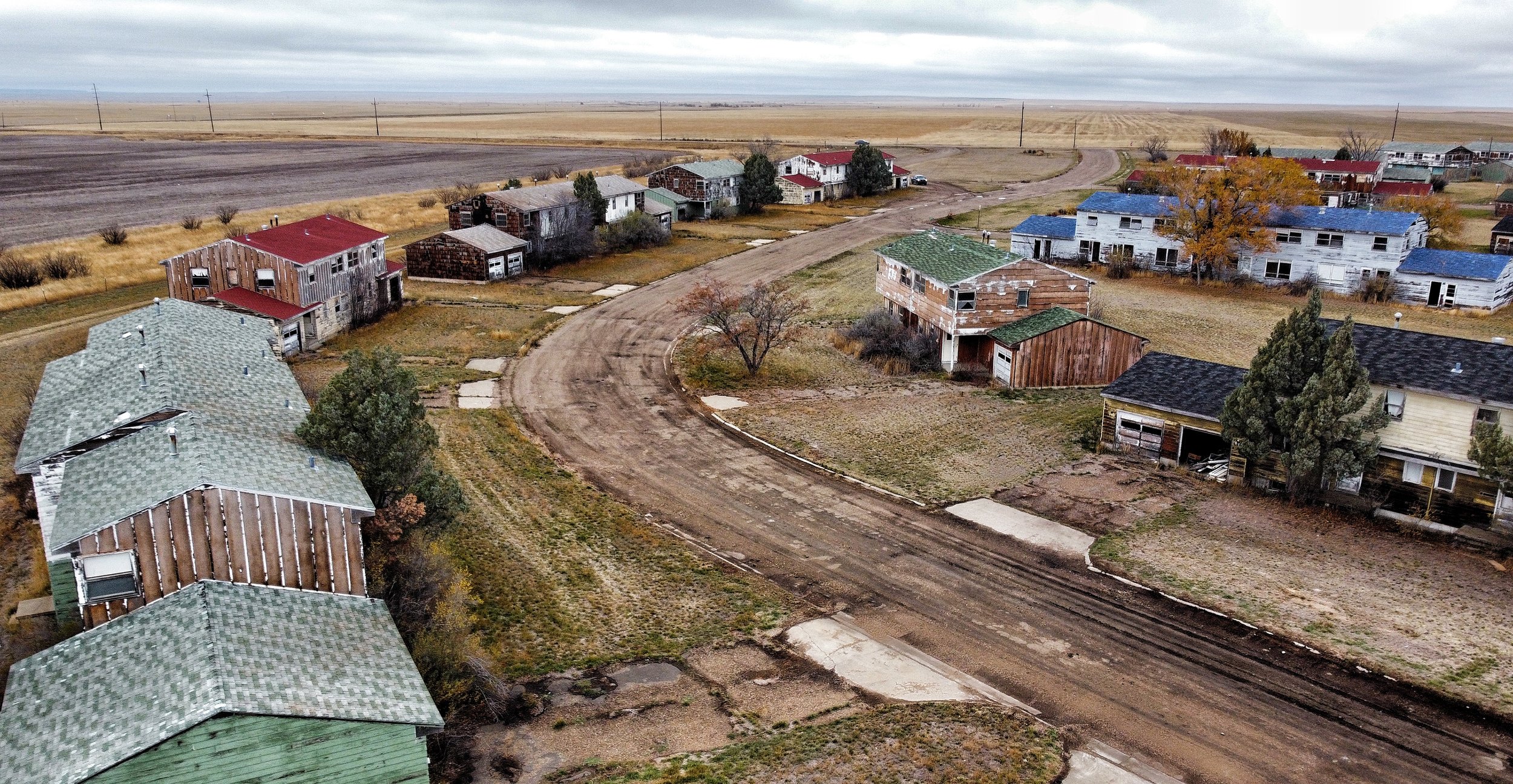
On the far west side of town lies the largest stretch of abandoned homes I’ve ever encountered—rivaled only by Uranium City and Kitsault.
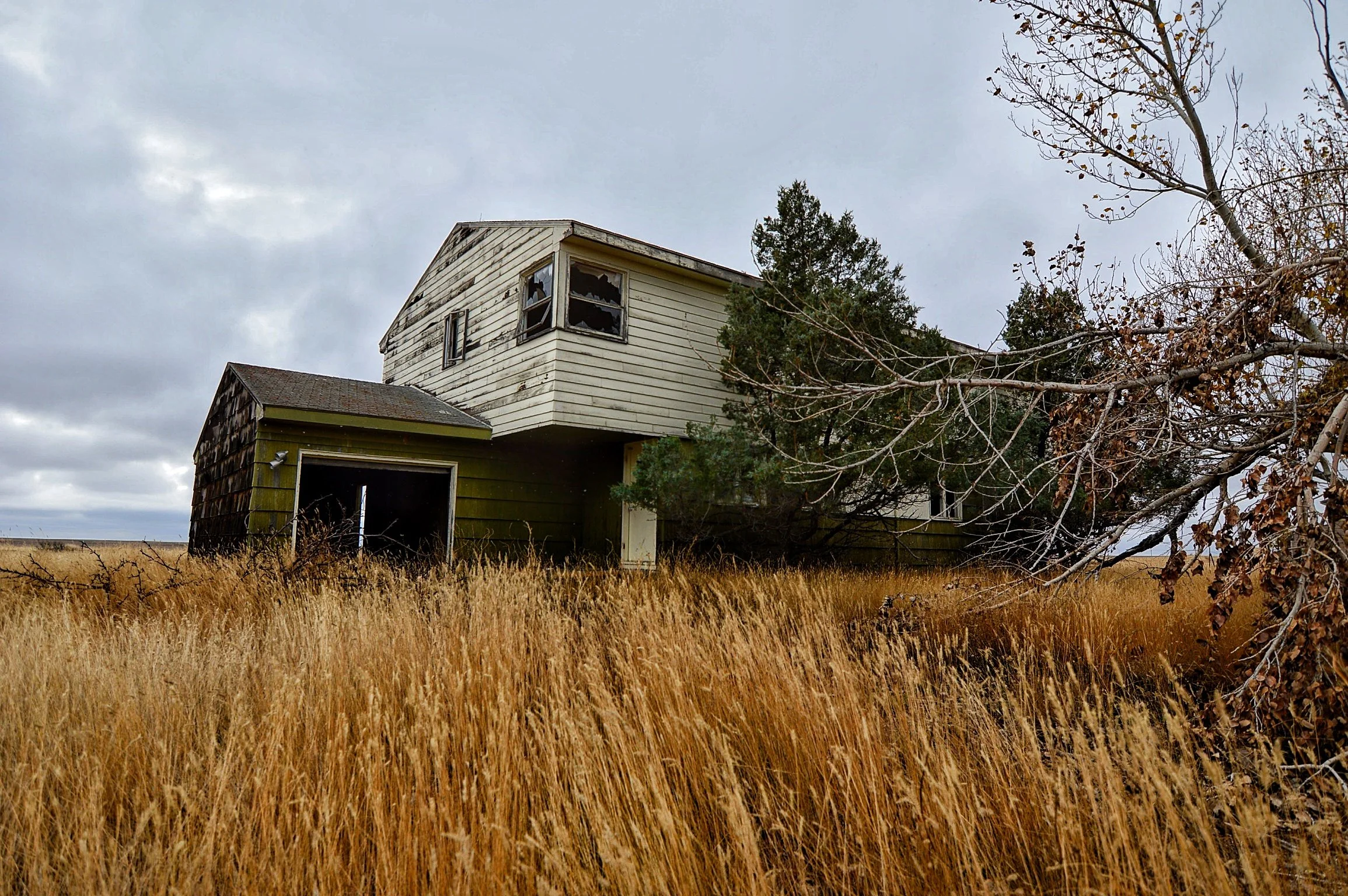
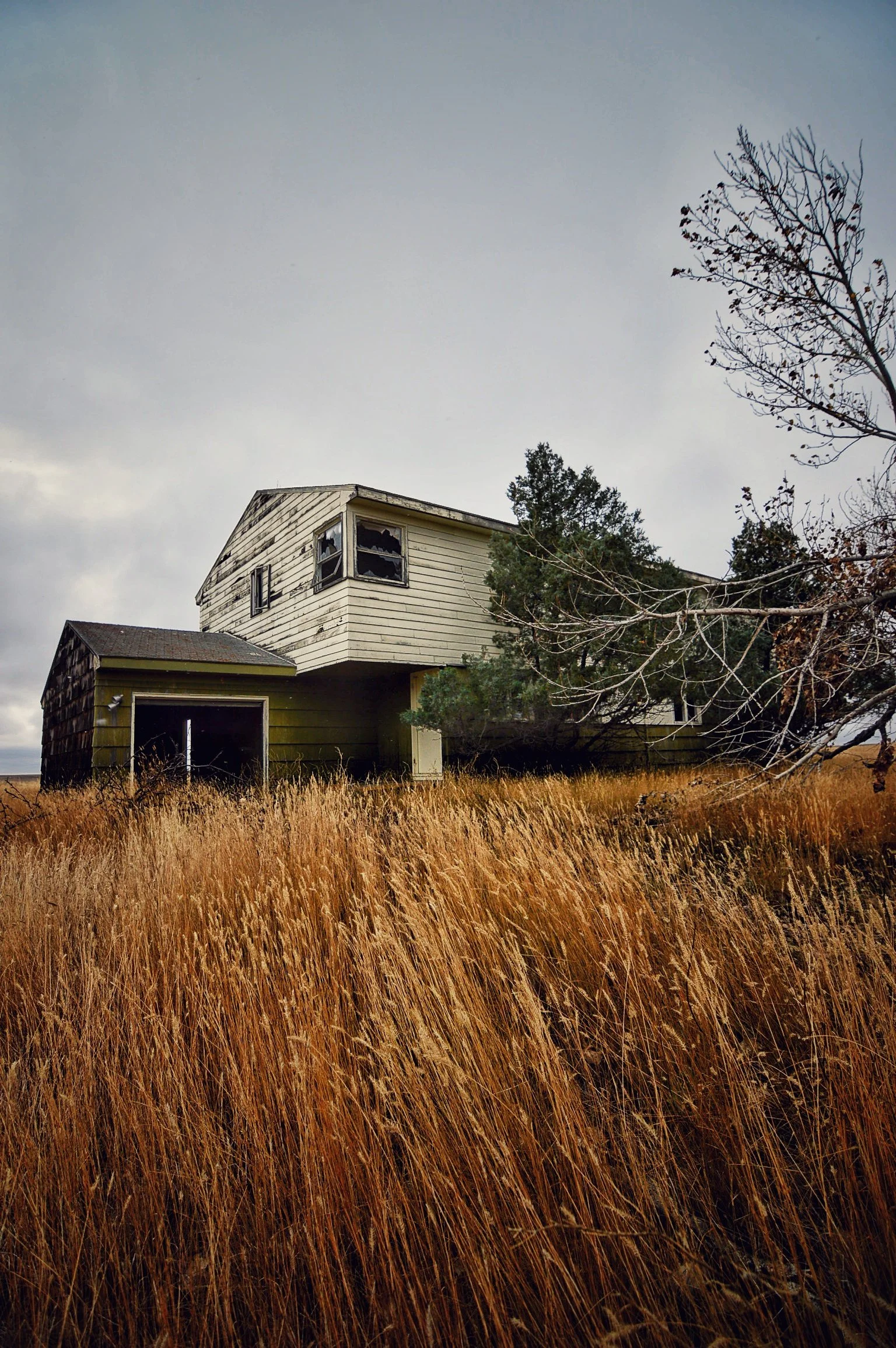
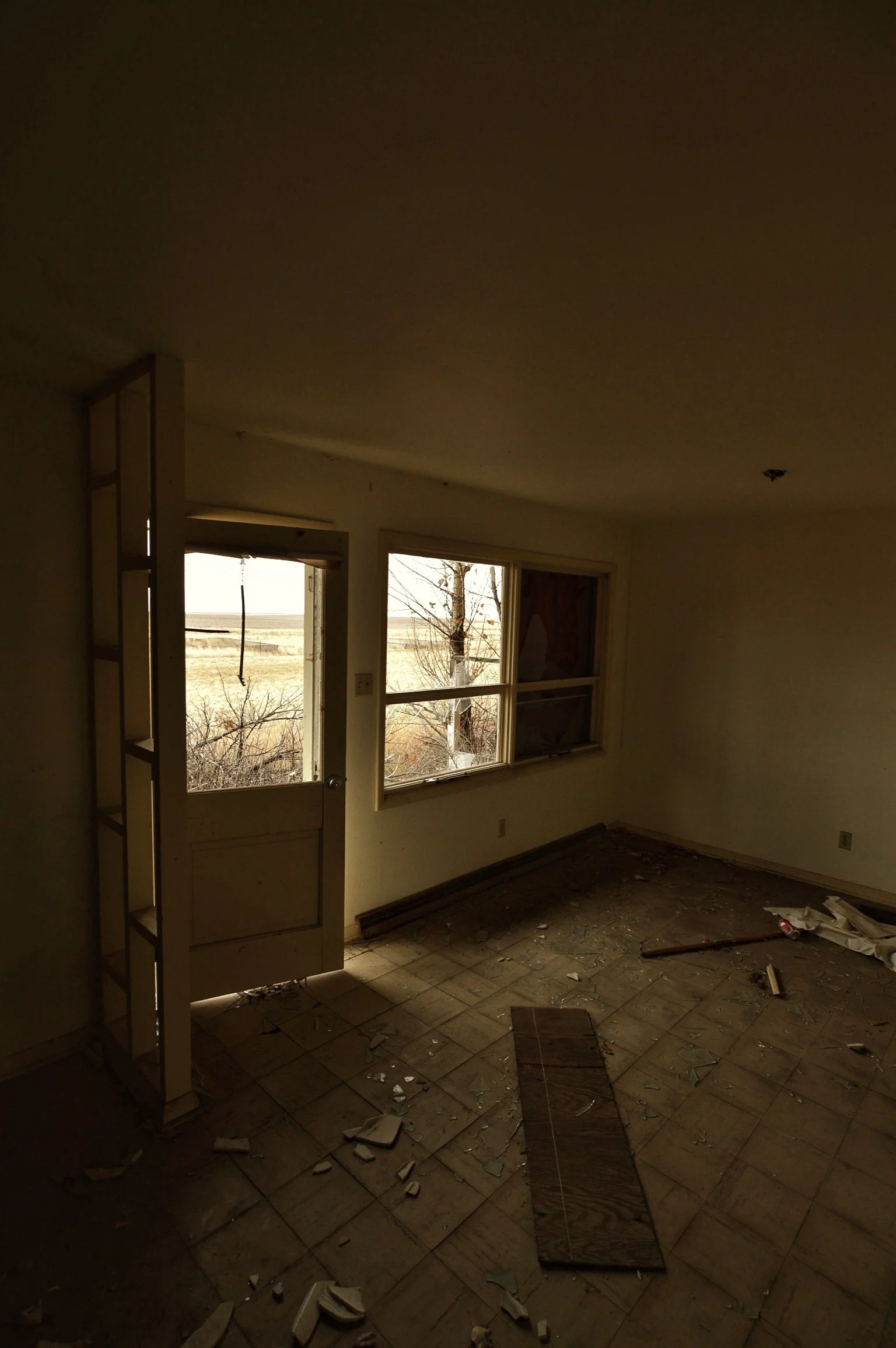
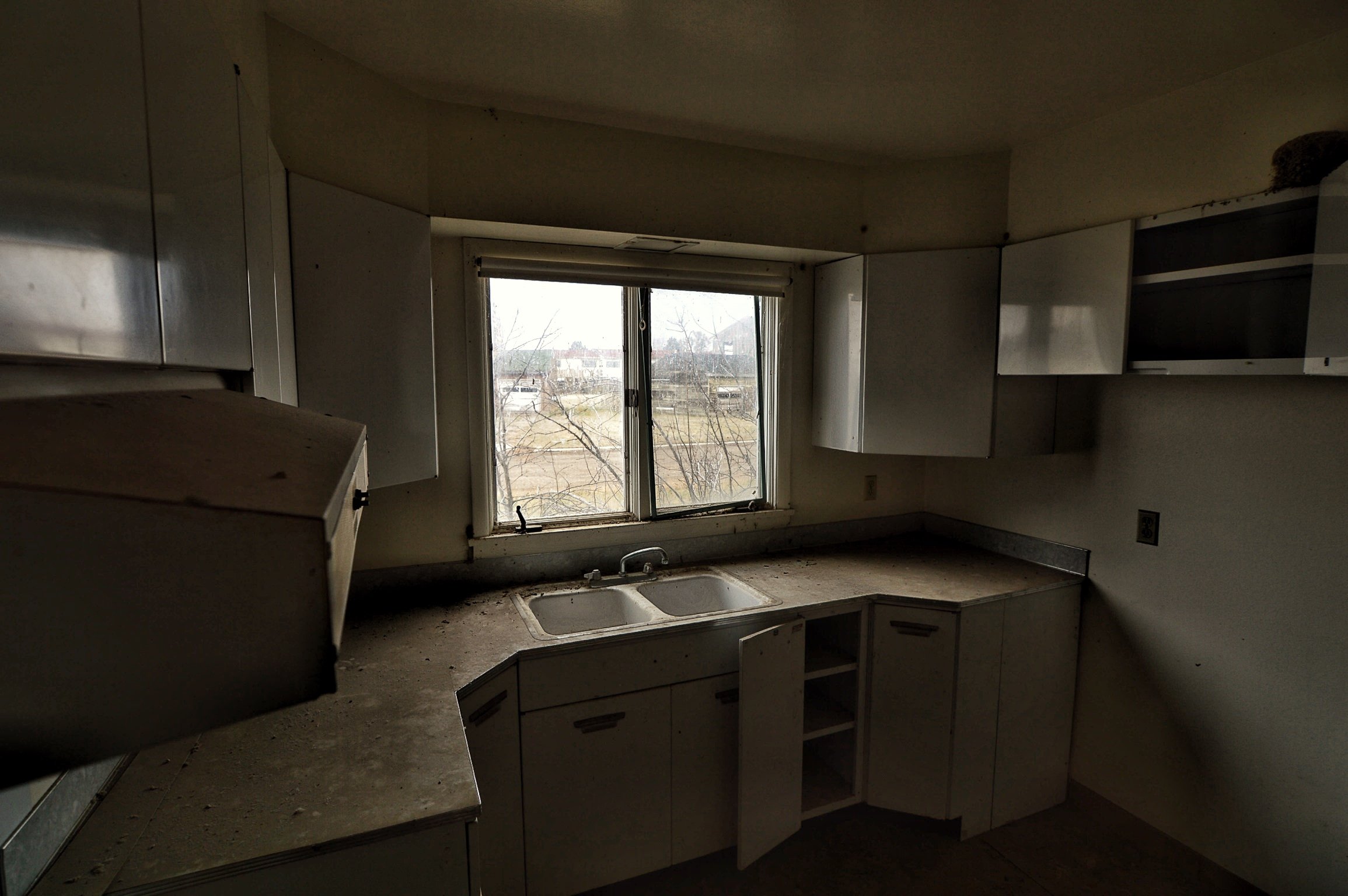
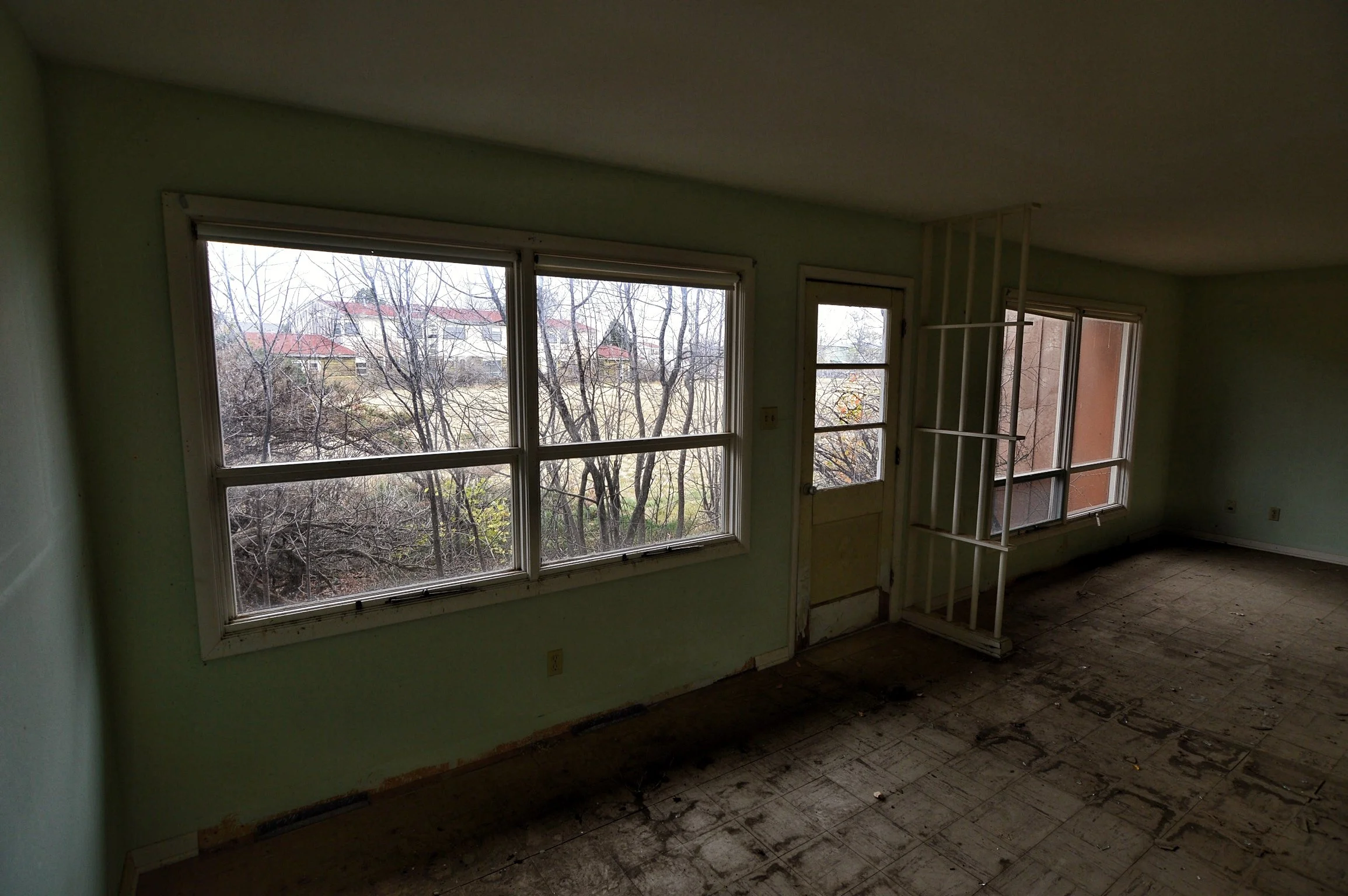
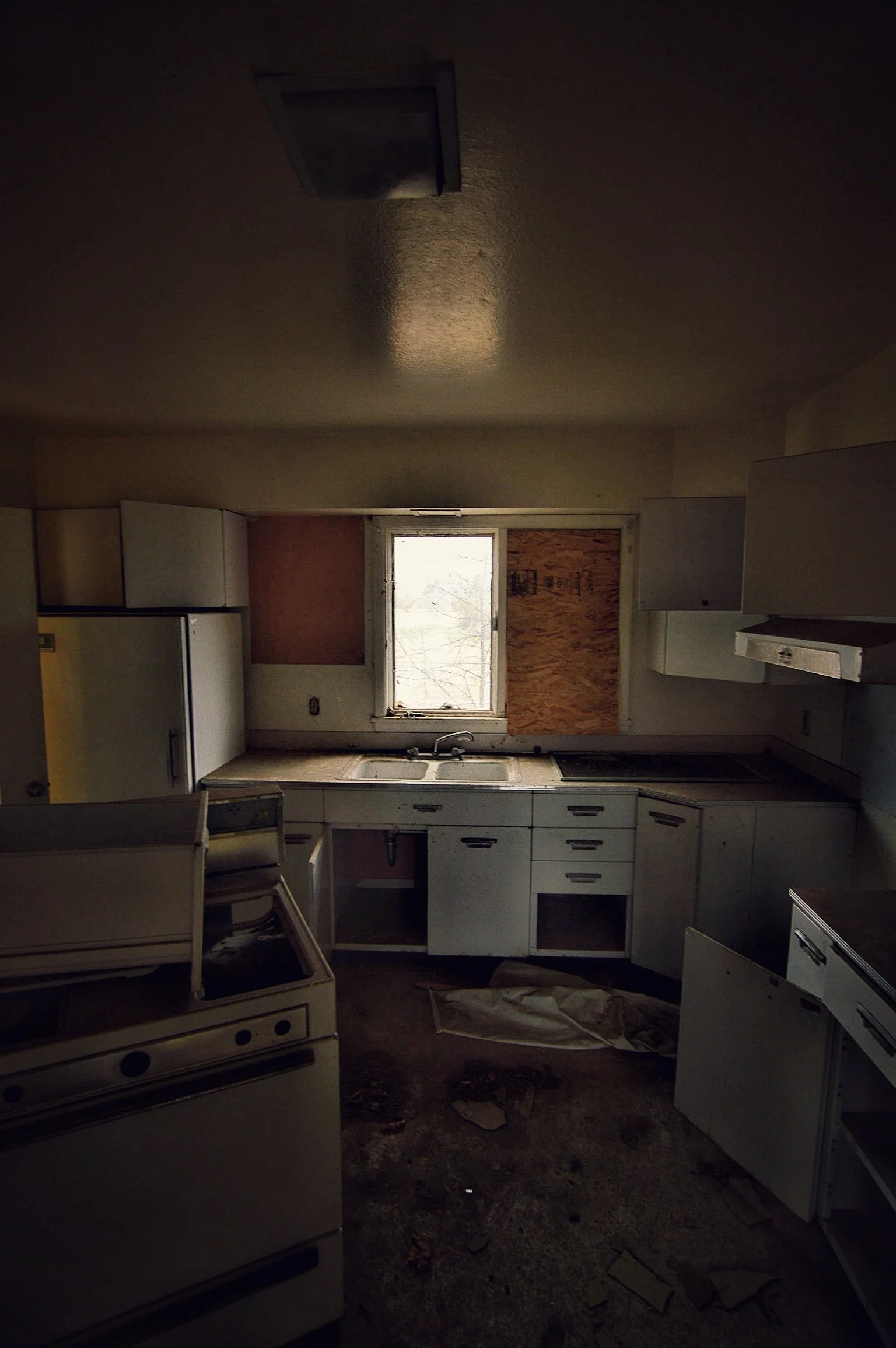
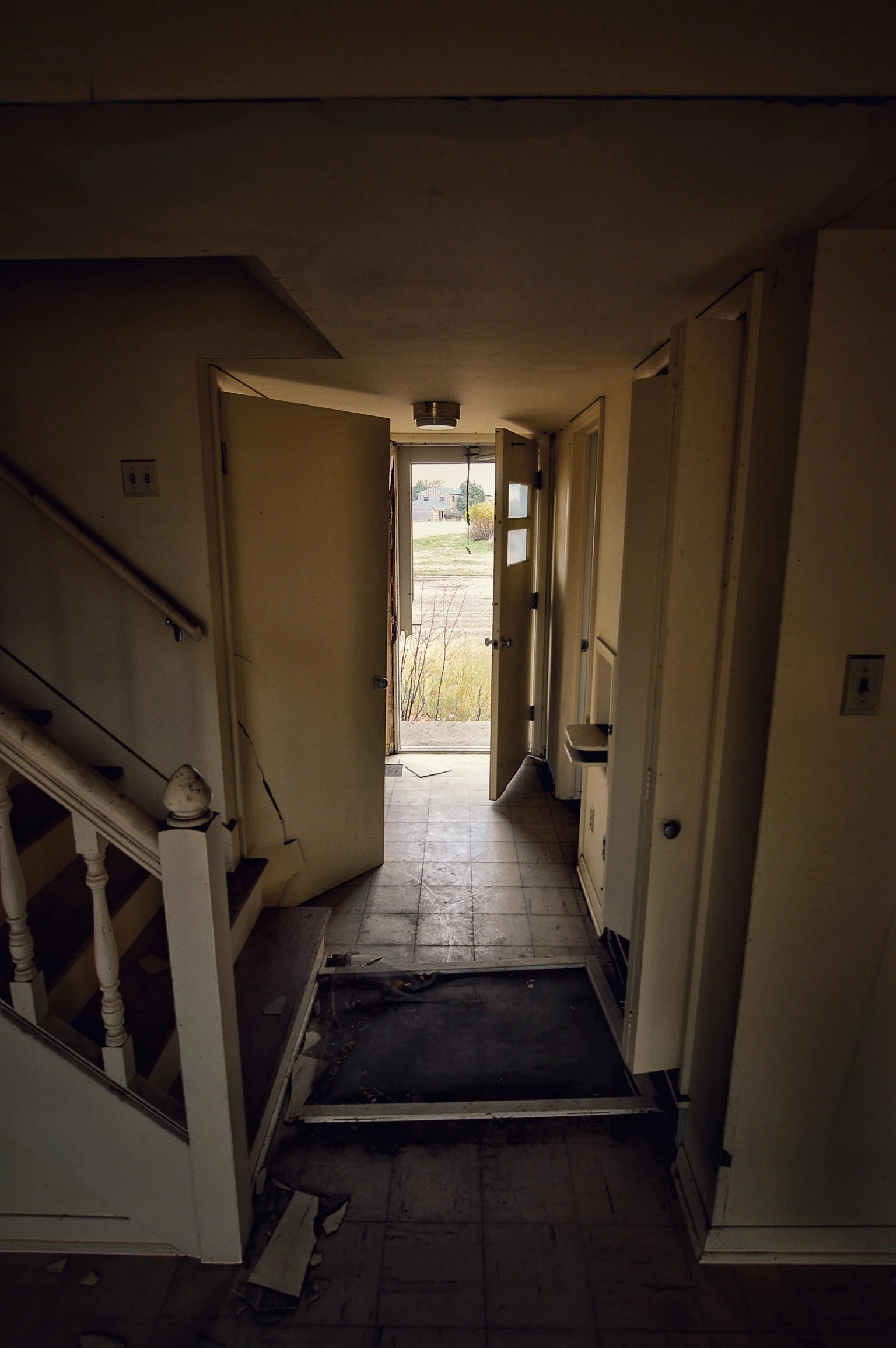
These are two‑story, duplex‑style houses scattered across barren lots—mere husks of their former selves. When they were built decades ago, no expense was spared: top‑of‑the‑line appliances, garages, and gleaming hardwood floors seemed to be standard in every unit we explored.
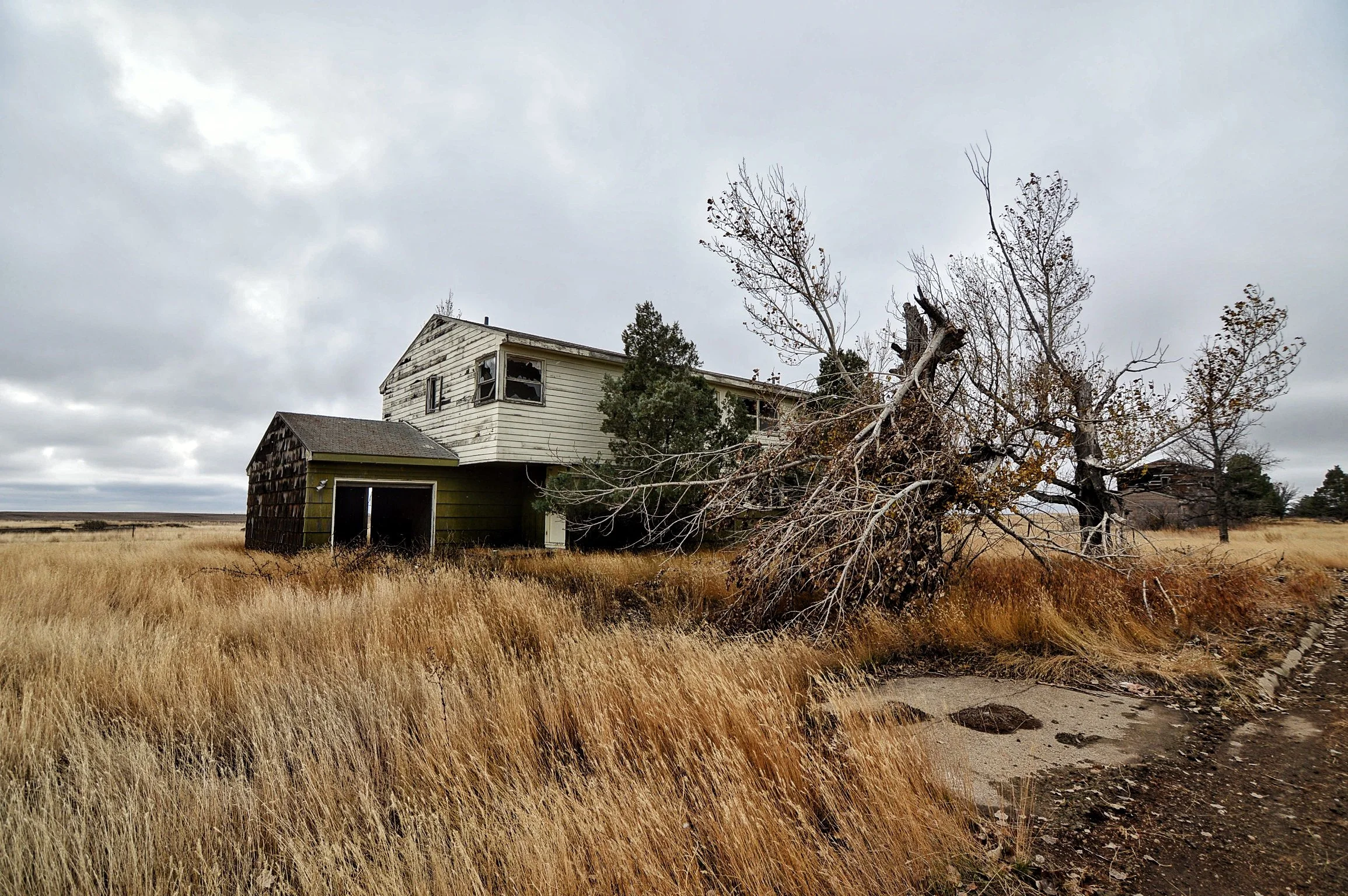
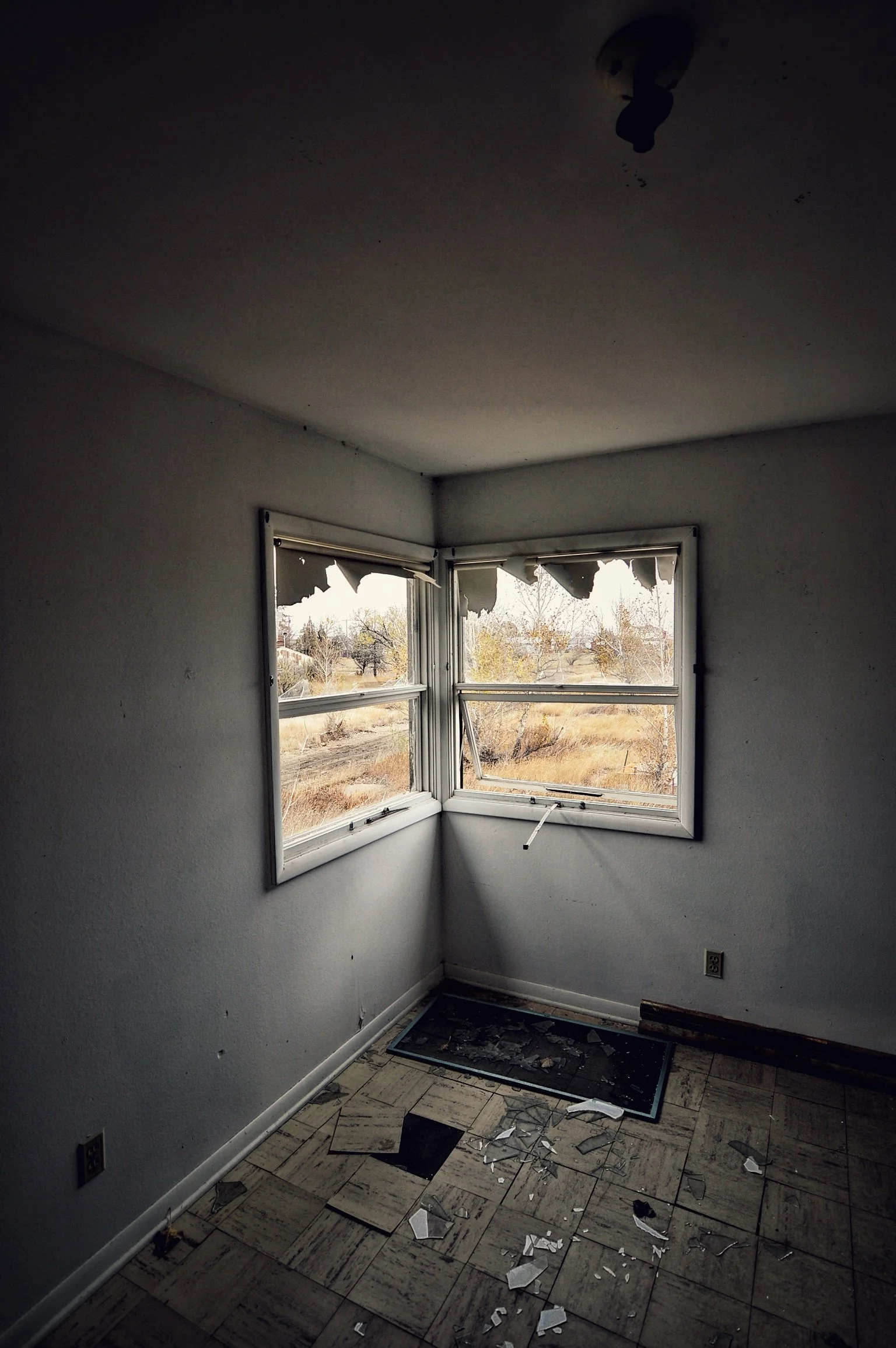
Today, only a handful remain occupied, mostly by some of the original retirees. The rest stand in silent decay. The scale of deterioration is staggering—a sobering reminder of how quickly communities can fade. It’s a shame more couldn’t have been done by the local government to preserve these once‑beautiful homes. Most have been stripped bare, their windows shattered, their roofs collapsing. Without intervention, it’s only a matter of time before these neighborhoods crumble completely into piles of timber and shingles.
Before leaving, we took one final stroll through the neighborhood. Overnight, nature had rewritten the scene—over a foot of snow fell, transforming the empty streets into a ghostly white landscape. We’ll return again soon, but for now, we walk these hallowed streets, taking in the echoes of what once was.