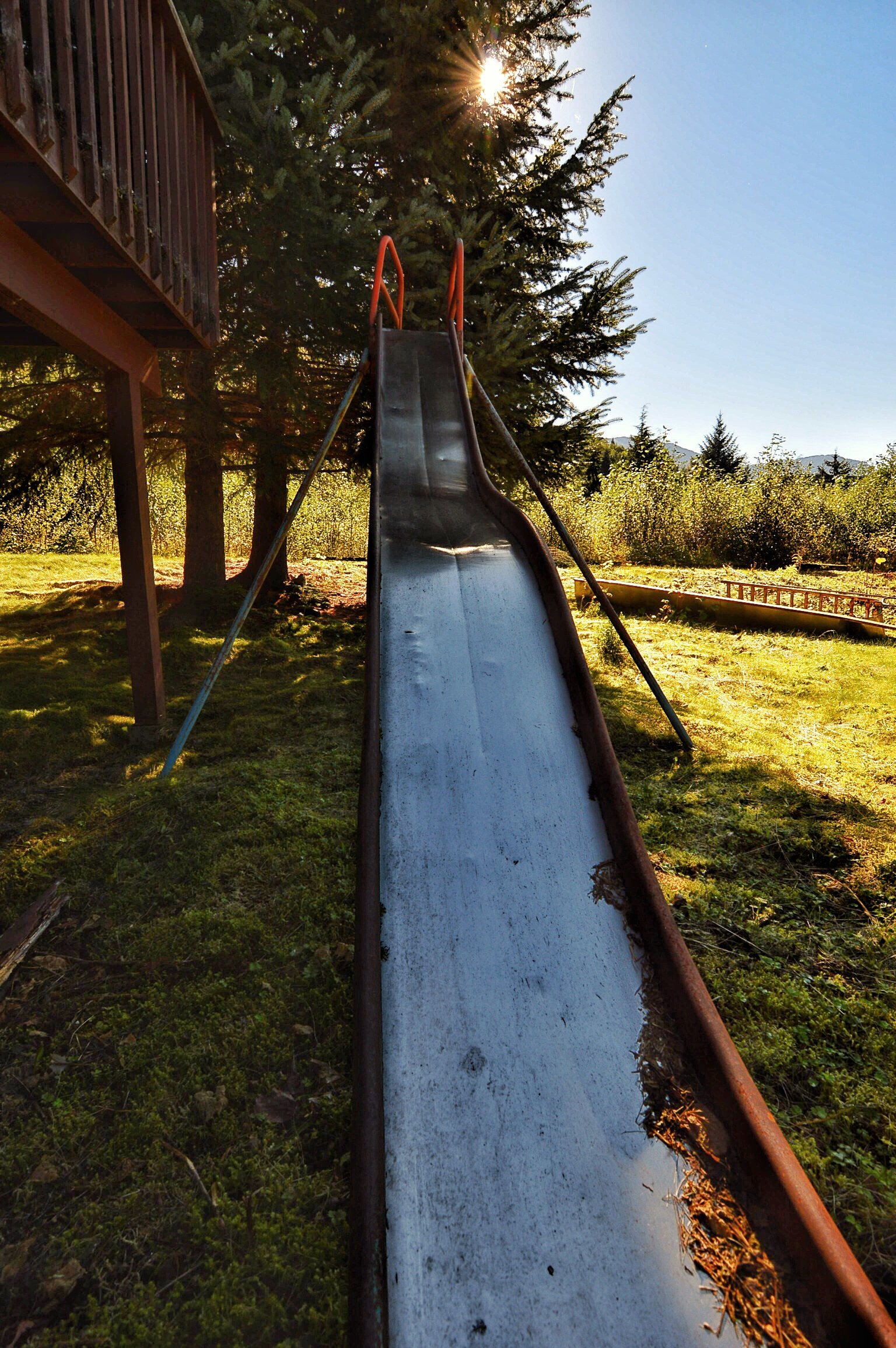
Paradise in the Rockies: From Boom to Bust
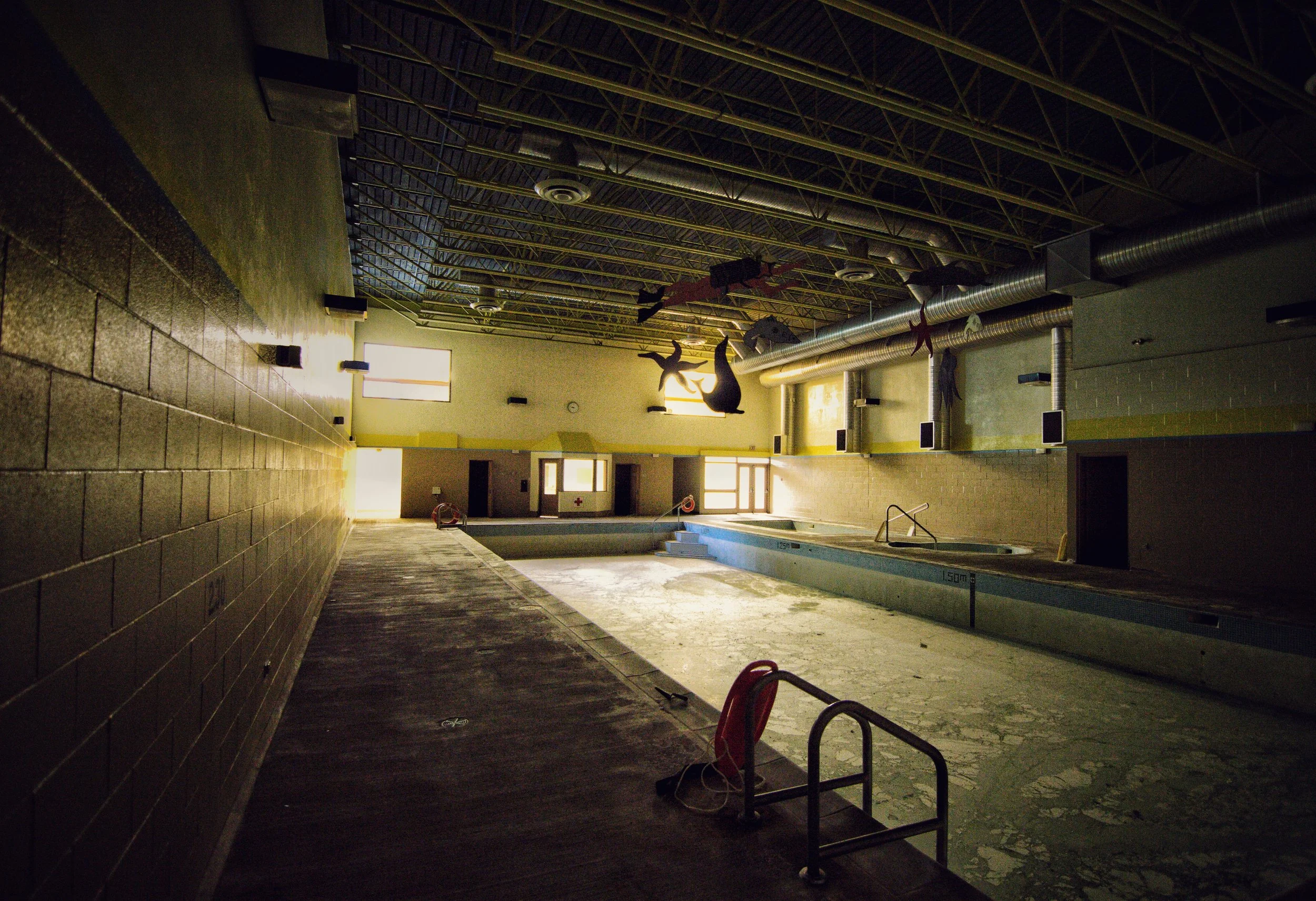
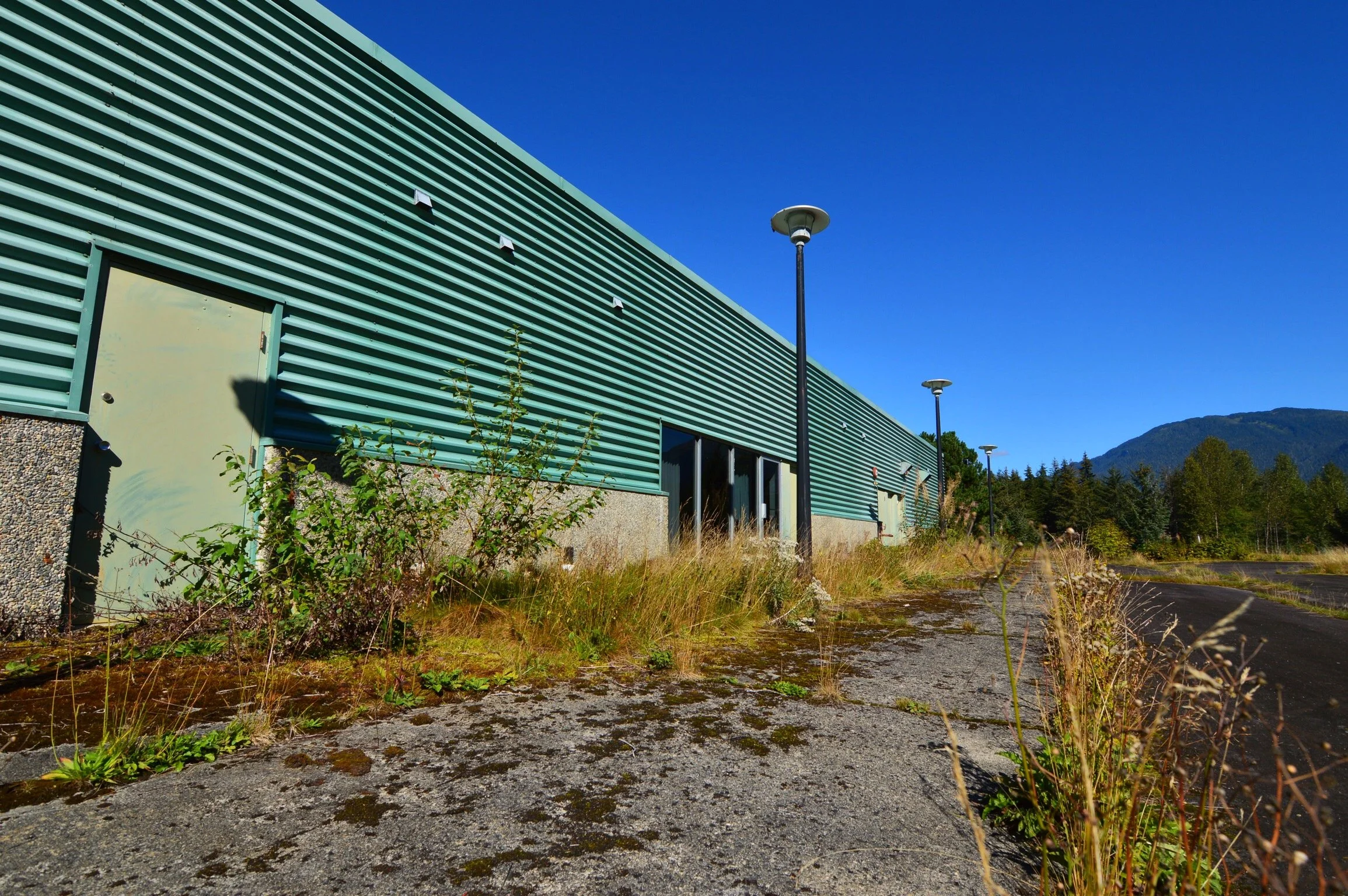
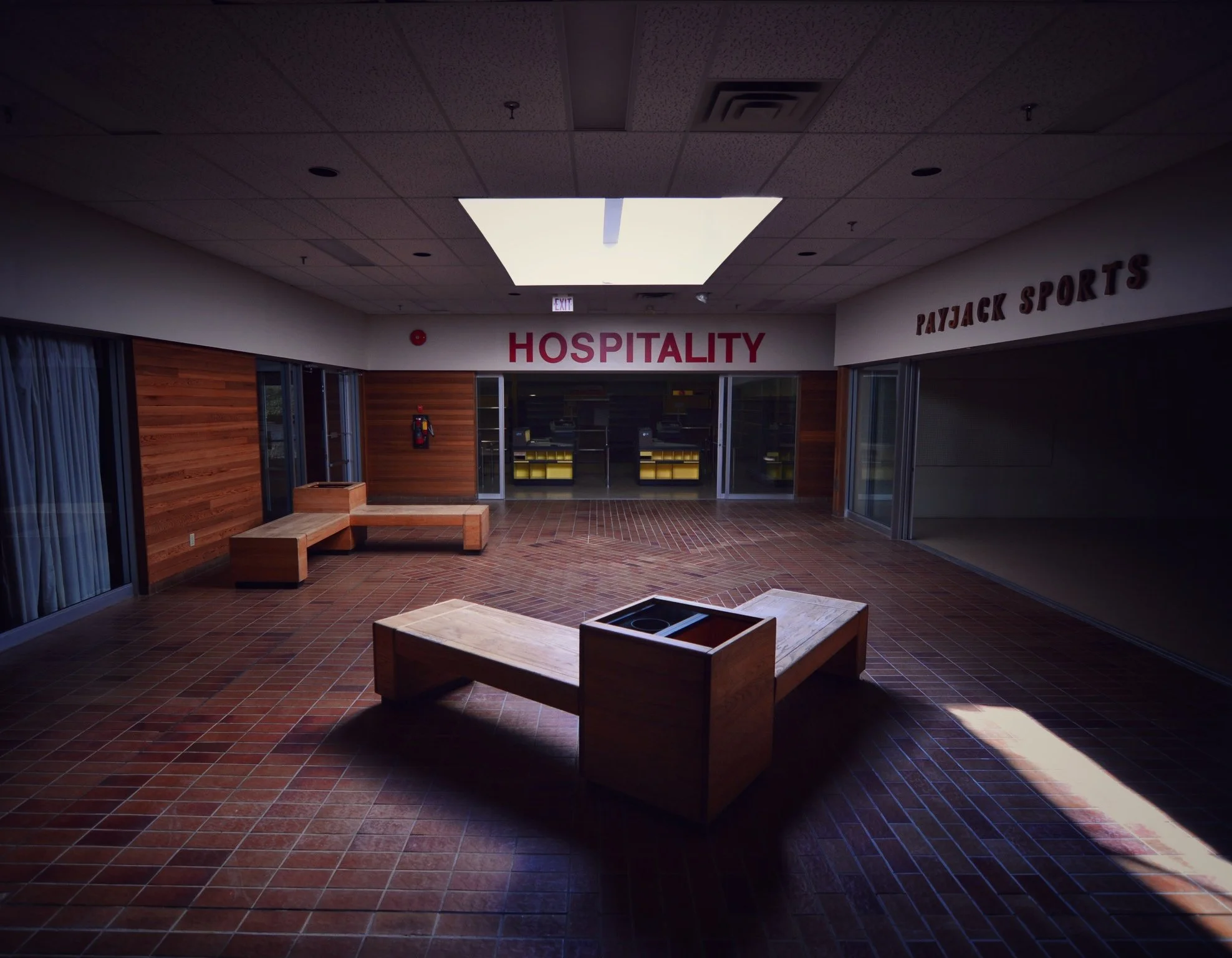
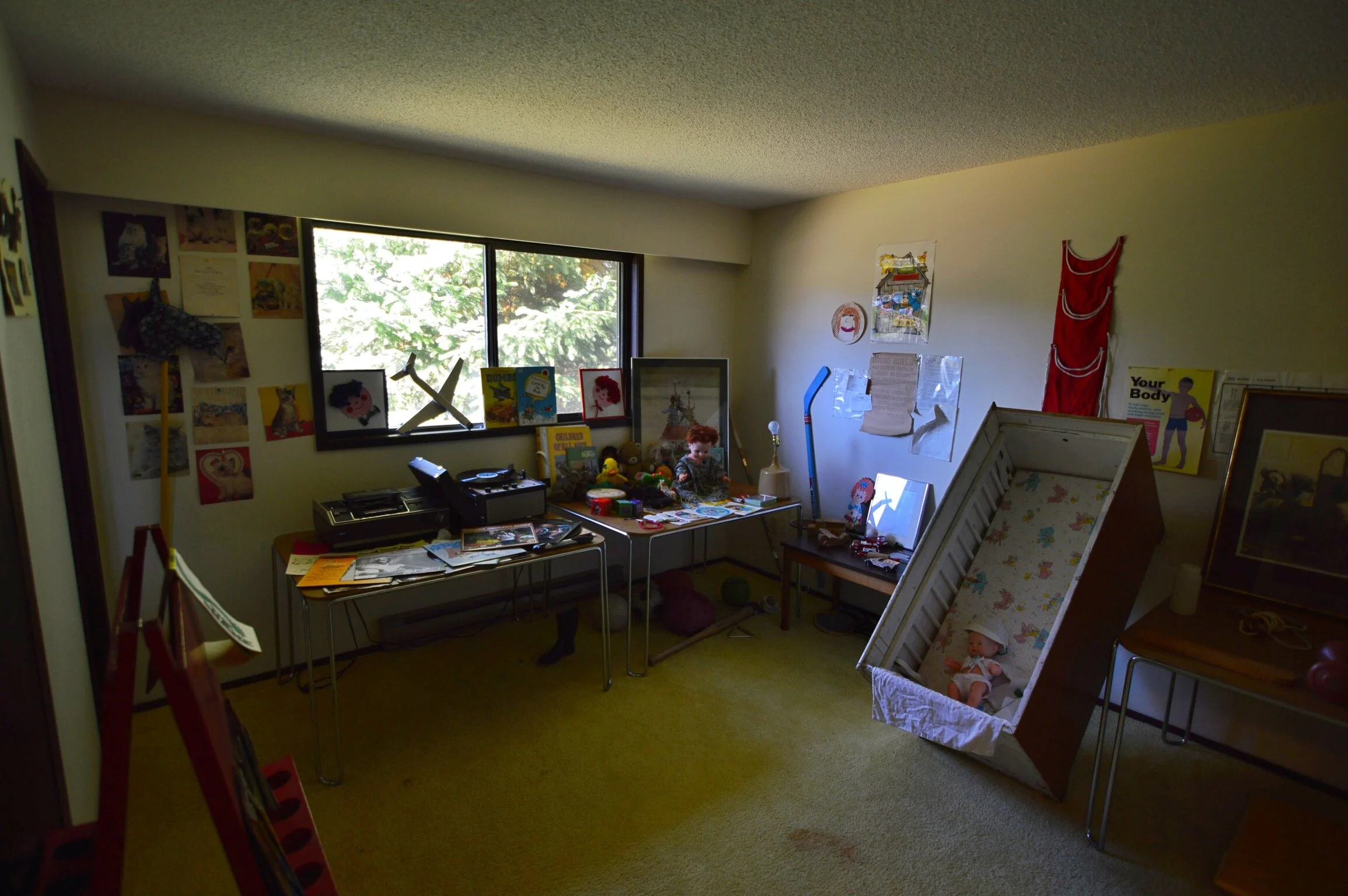
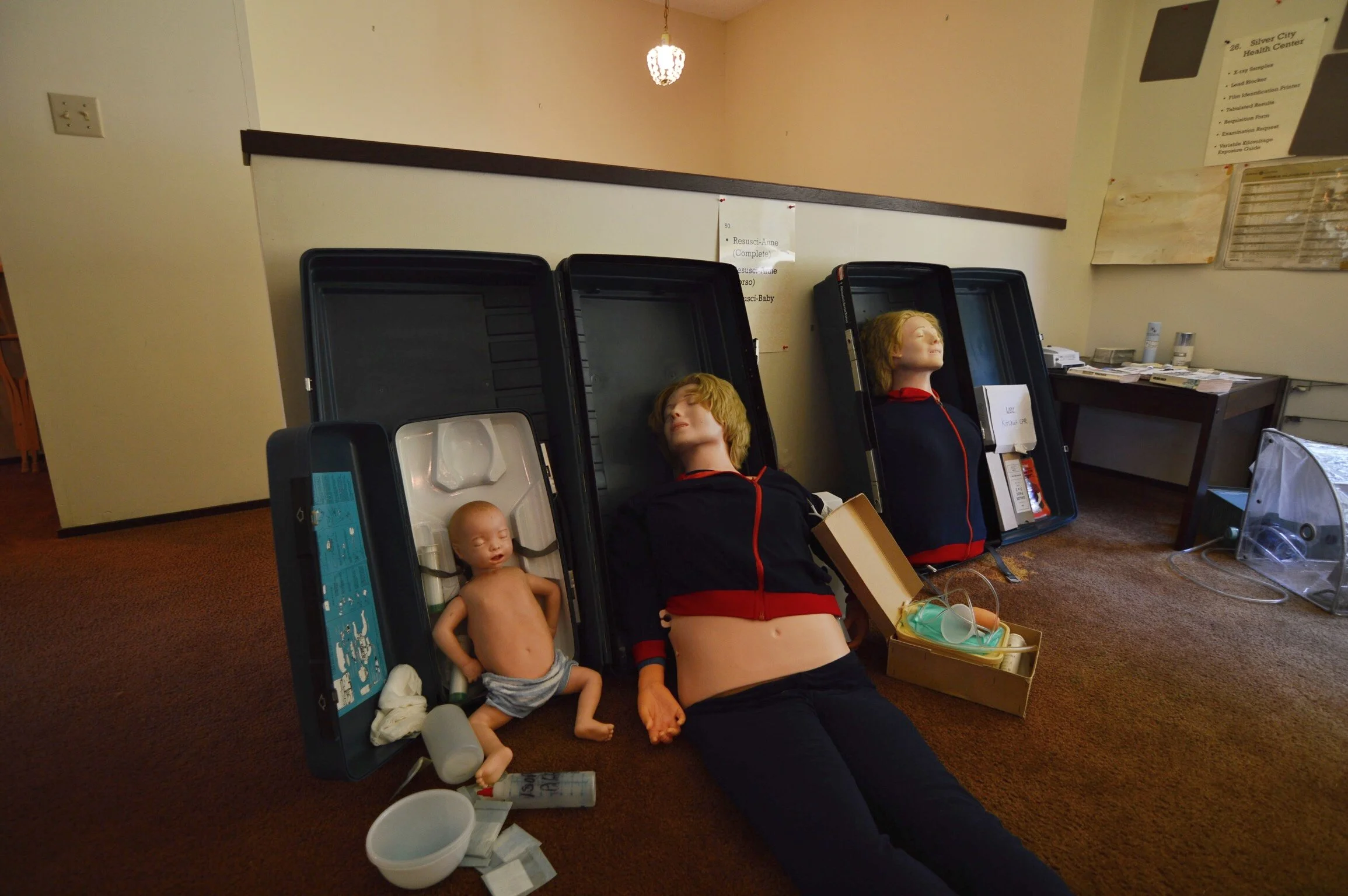
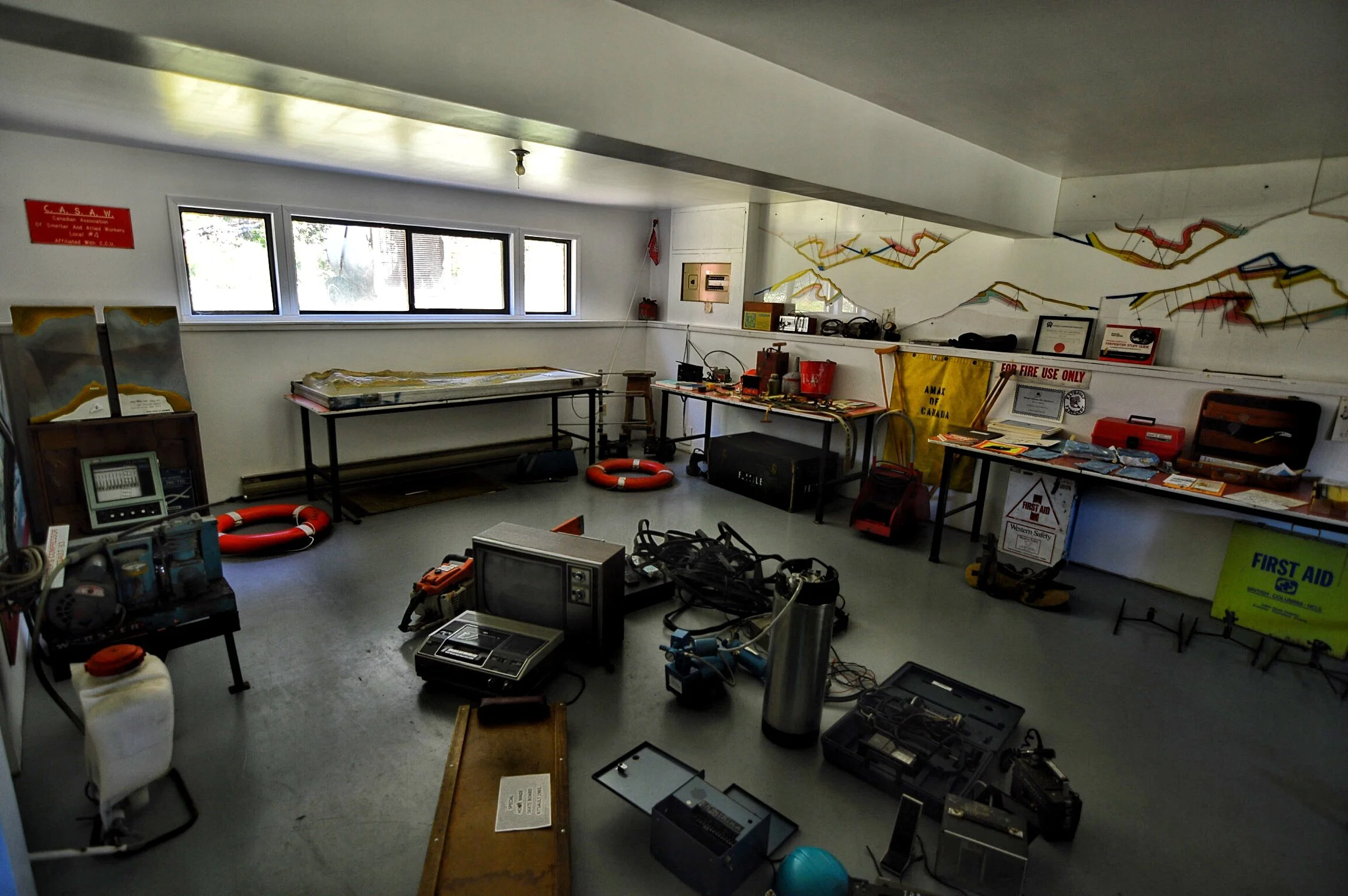
Imagine you were a miner living far from civilization, what would be on your wish list of amenities? If your list included 210 apartment units, 90 detached homes and duplexes, a shopping mall, not one but two recreation centers, a high school, a hospital, paved roads, cable television, underground utilities, and a state-of-the-art water treatment facility—then Kitsault would have been your dream.
Construction began in 1979, and miners from across Canada started moving into the first completed homes. By 1980, the full “construction boom” was underway. Nestled beside a river that flows into the Pacific Ocean and surrounded by the stunning Rocky Mountains, Kitsault quickly became one of the most picturesque mining communities ever built.
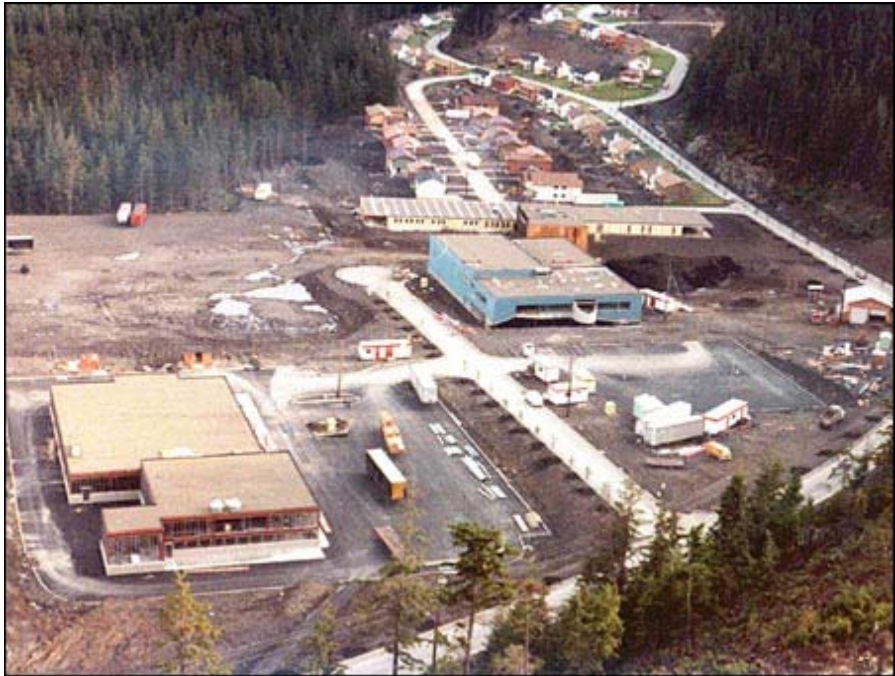
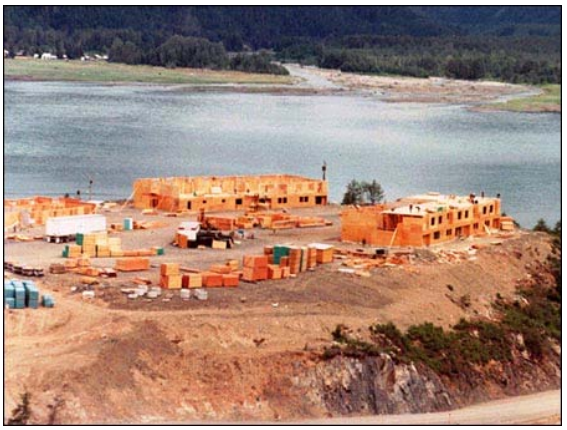
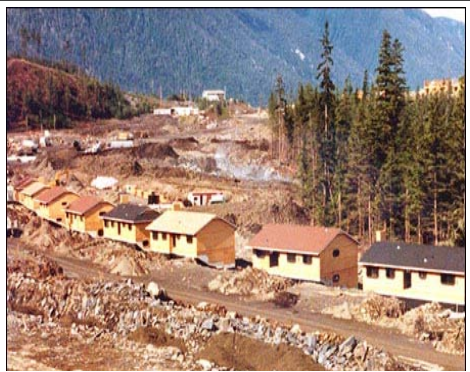
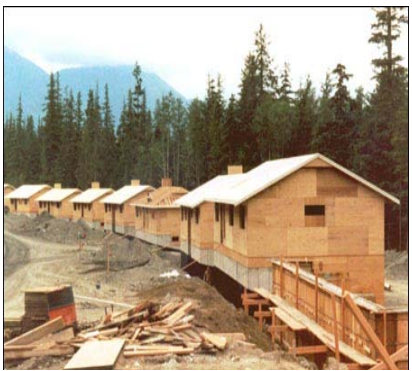
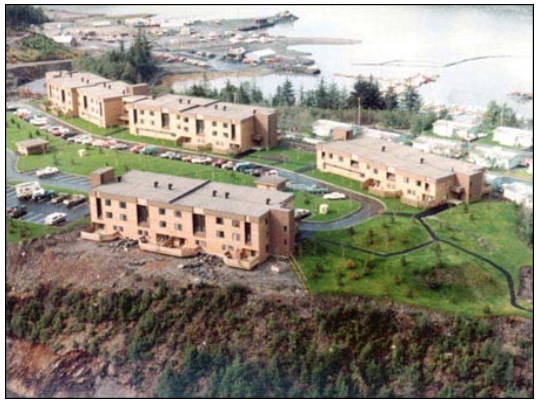
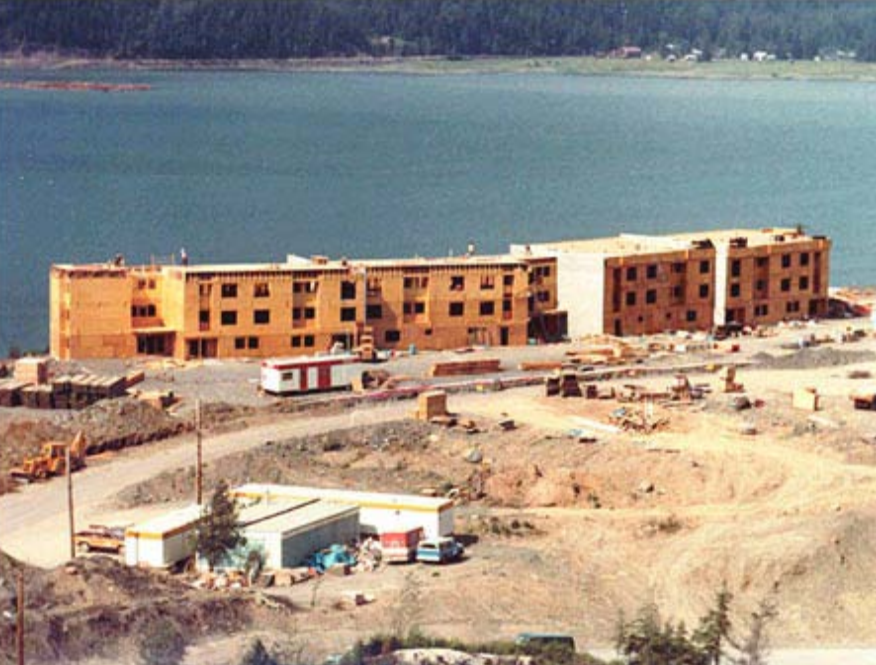
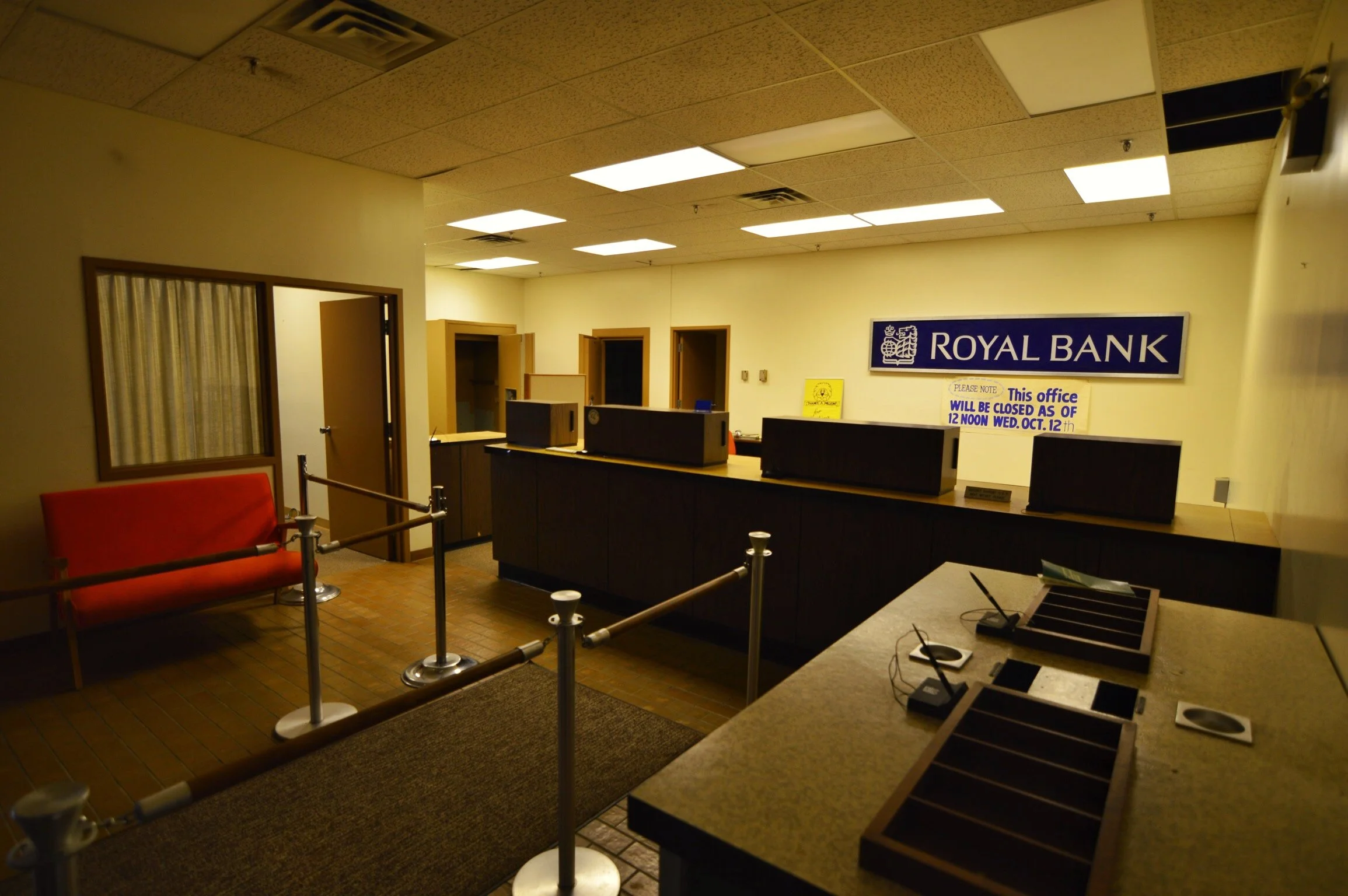
Life in the town was lively, busy, and full of promise. While groceries had to be barged in and the winters were long, wet, and harsh, residents cherished their hidden paradise, far removed from the rest of the world. But in 1982, just as the new shopping mall was completed, devastating news hit: the mine was shutting down due to plummeting molybdenum prices. The closure of the mine meant the permanent closure of the town.
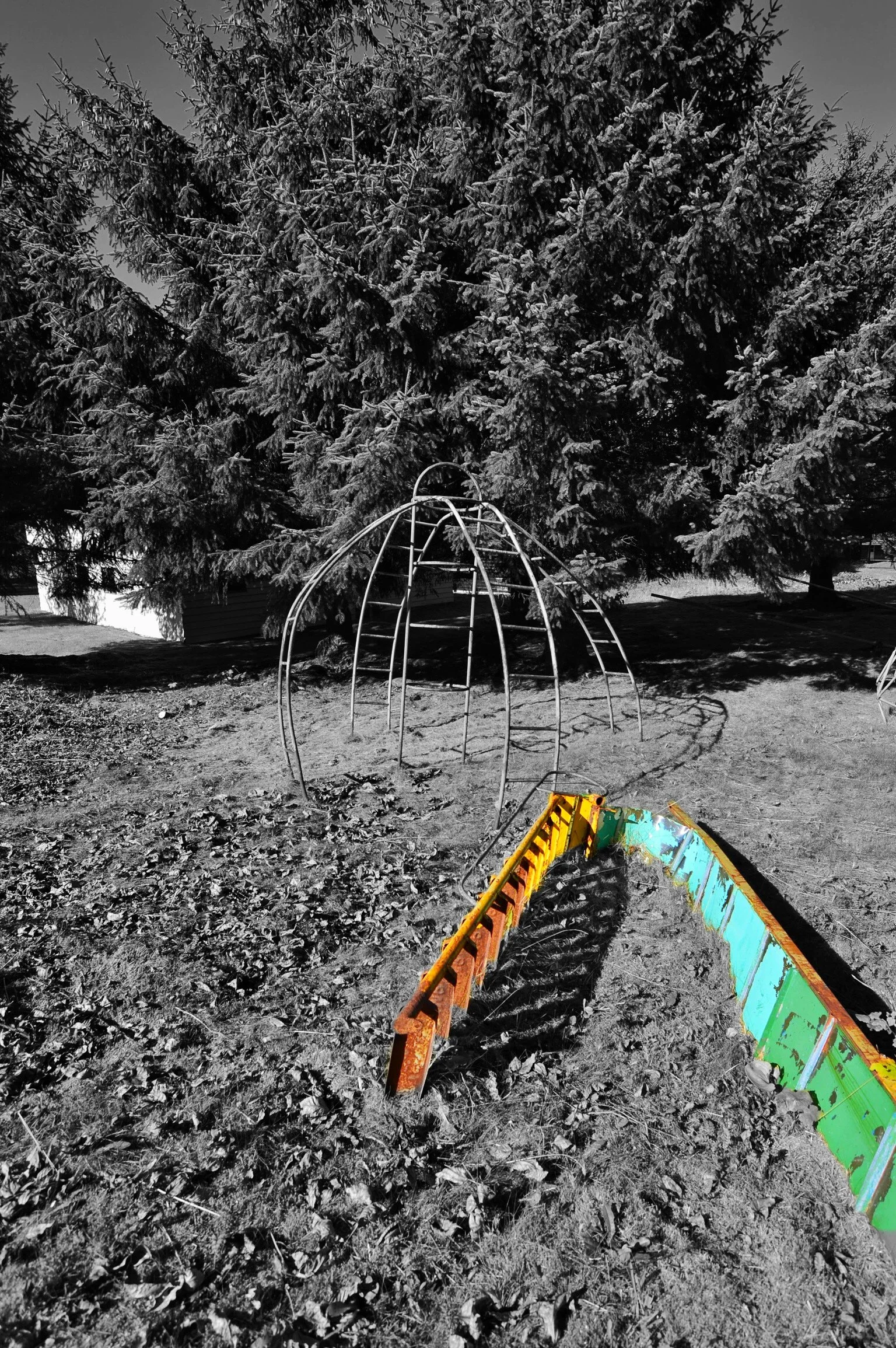
In just 18 months, Kitsault went from a thriving community to a ghost town. AMAX, which owned every building, took an unusual approach compared to other doomed mining towns—they offered to relocate all residents anywhere in Canada, fully covering the costs. By 1983, the last inhabitants had moved out, and the gates were locked behind them.
It would be many years before opportunity would come knocking again.