
Kitsaults early beginnings: Mineral mania
In 1911, on a small inlet where the future town site would later stand, the first silver claims were staked. The area was named “Lime Creek.” This mineral-rich location was mined up until the 1930s and became known for its valuable deposits of silver, gold, lead, zinc, and copper.
The resource that would ultimately define Kitsault’s fate was porphyry molybdenum. Small amounts were mined during WWI, but nothing significant emerged until 1957, when a massive deposit was discovered. In 1964, the BC Moly mining company invested $30 million to develop a surface extraction mine, which operated until 1972.
(Molybdenum is used to enhance the quality and strength of steel, as well as in armaments and aircraft components.)
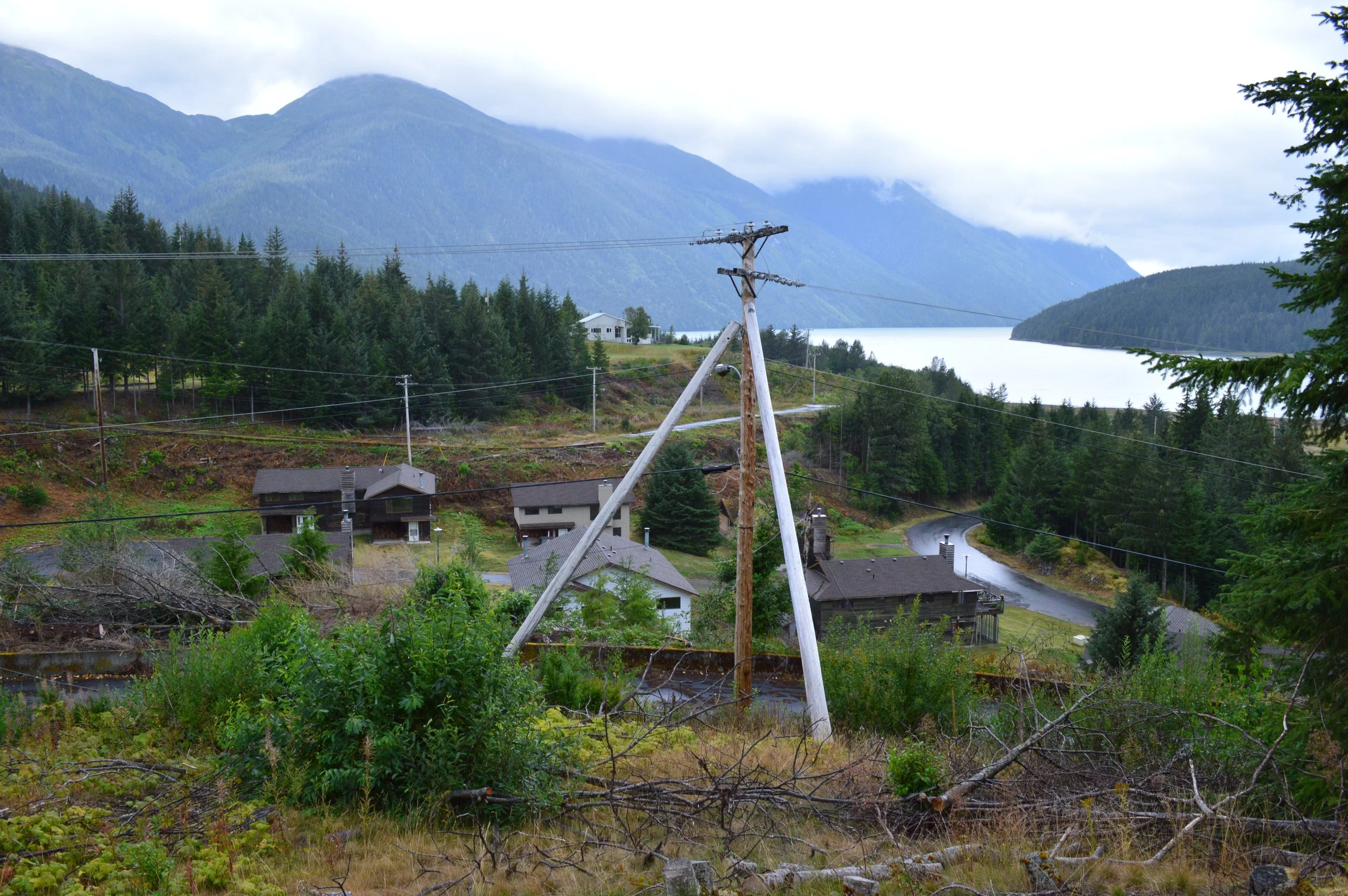
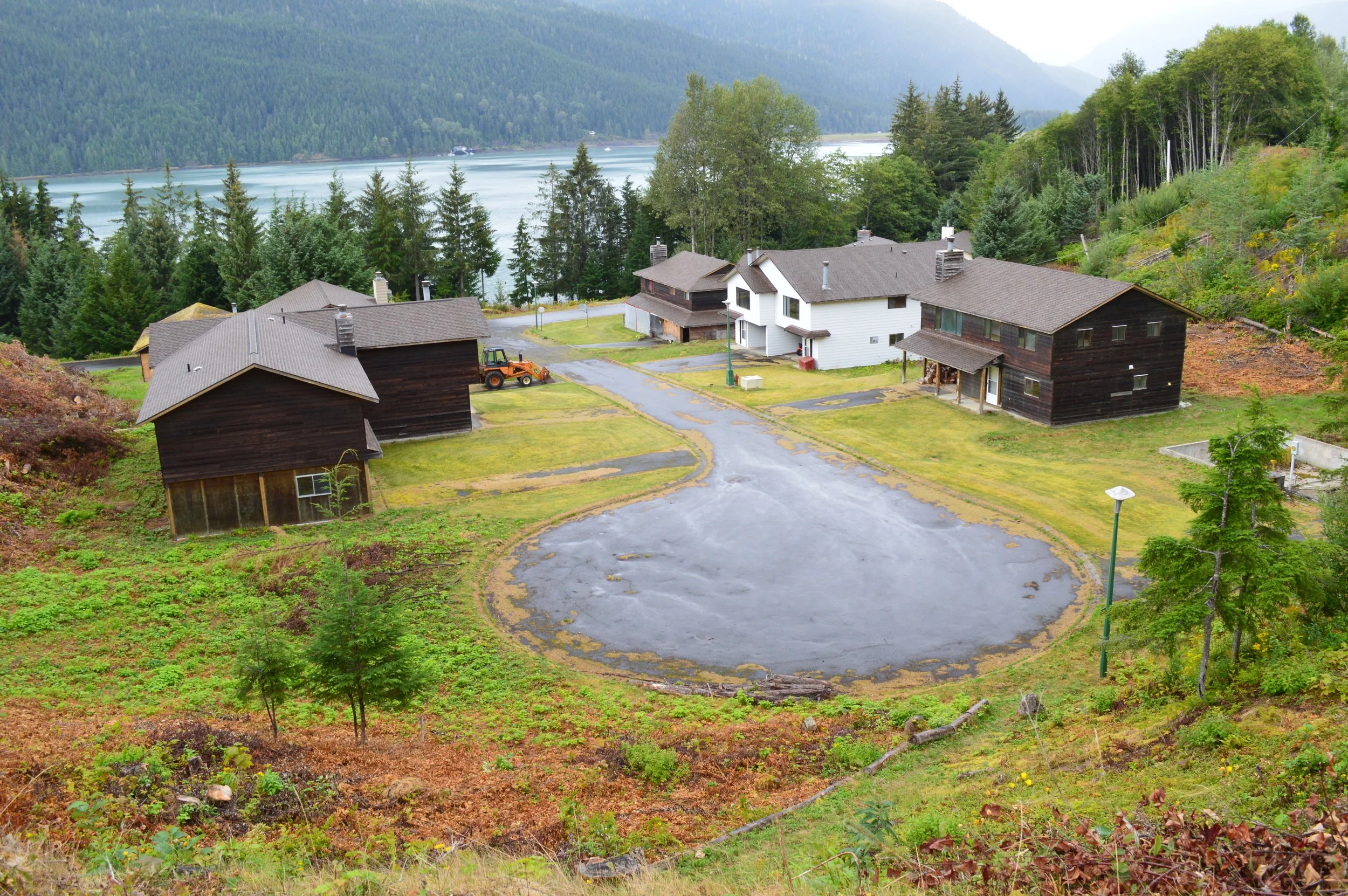
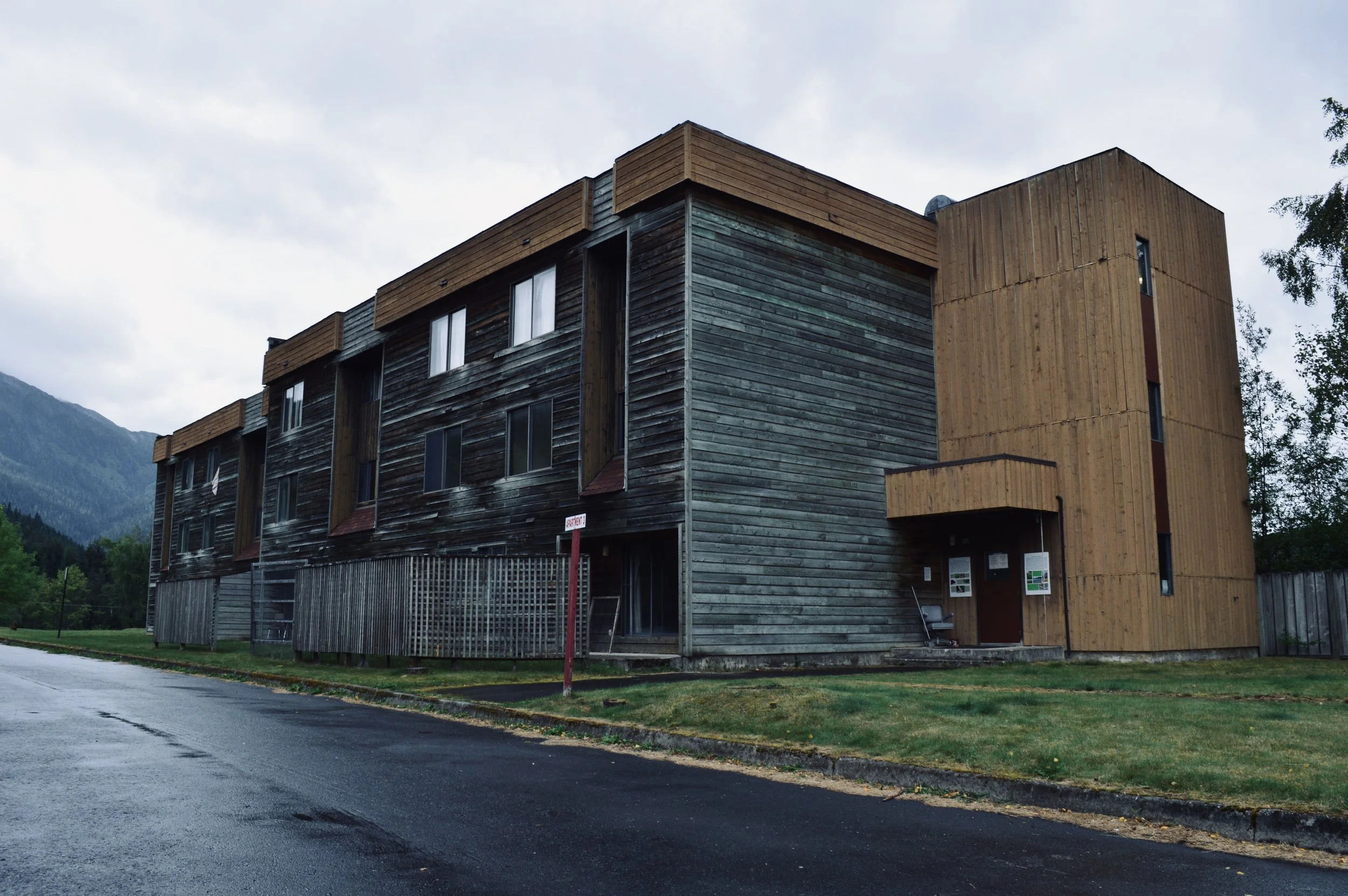
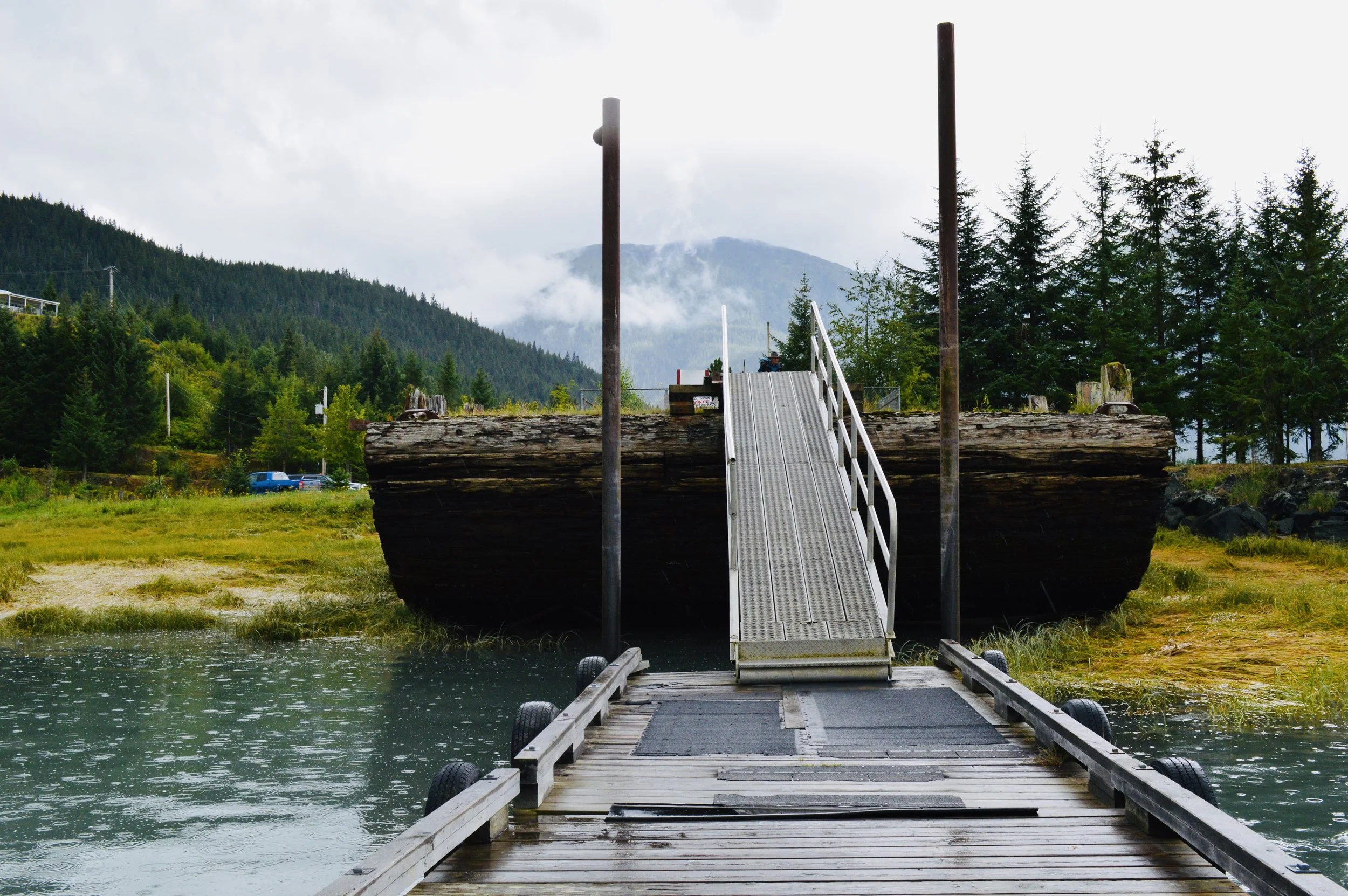
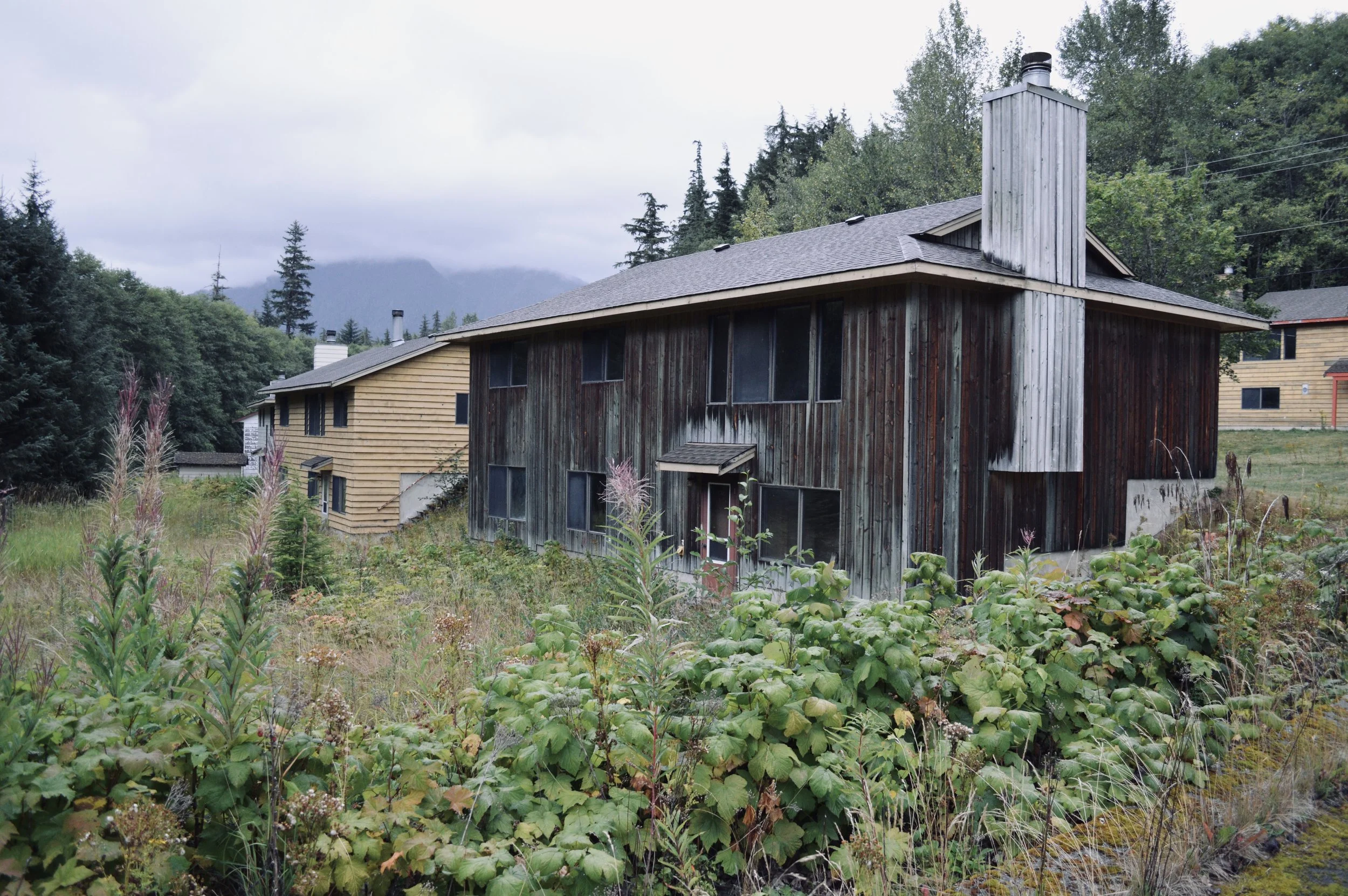
Recognizing the site’s potential, the mining giant AMAX Canada purchased it in 1973. They knew that accessing the massive deposits below would require a large workforce, and with access only possible by barge or boat, a permanent settlement had to be built. But this wasn’t going to be just a mining camp—it was planned as a state-of-the-art town designed to house and support over 1,200 residents.
For six years, the site sat vacant as planning continued. Then, in 1979, AMAX reopened the mine and began the construction of Kitsault.