
Anyox: Prosperous Beginnings
In 1911, the Granby Mining Company purchased an 80% interest in the Hidden Creek mine, located in northern BC, for $500,000 from Mr. M.K. Rodgers — marking the birth of a new and ambitious development.
The townsite went through several name changes before settling on Anyox. The name is an English translation of the Indigenous word for the area, meaning “hidden creek,” though it also aligns beautifully with the phrase Place of Refuge.
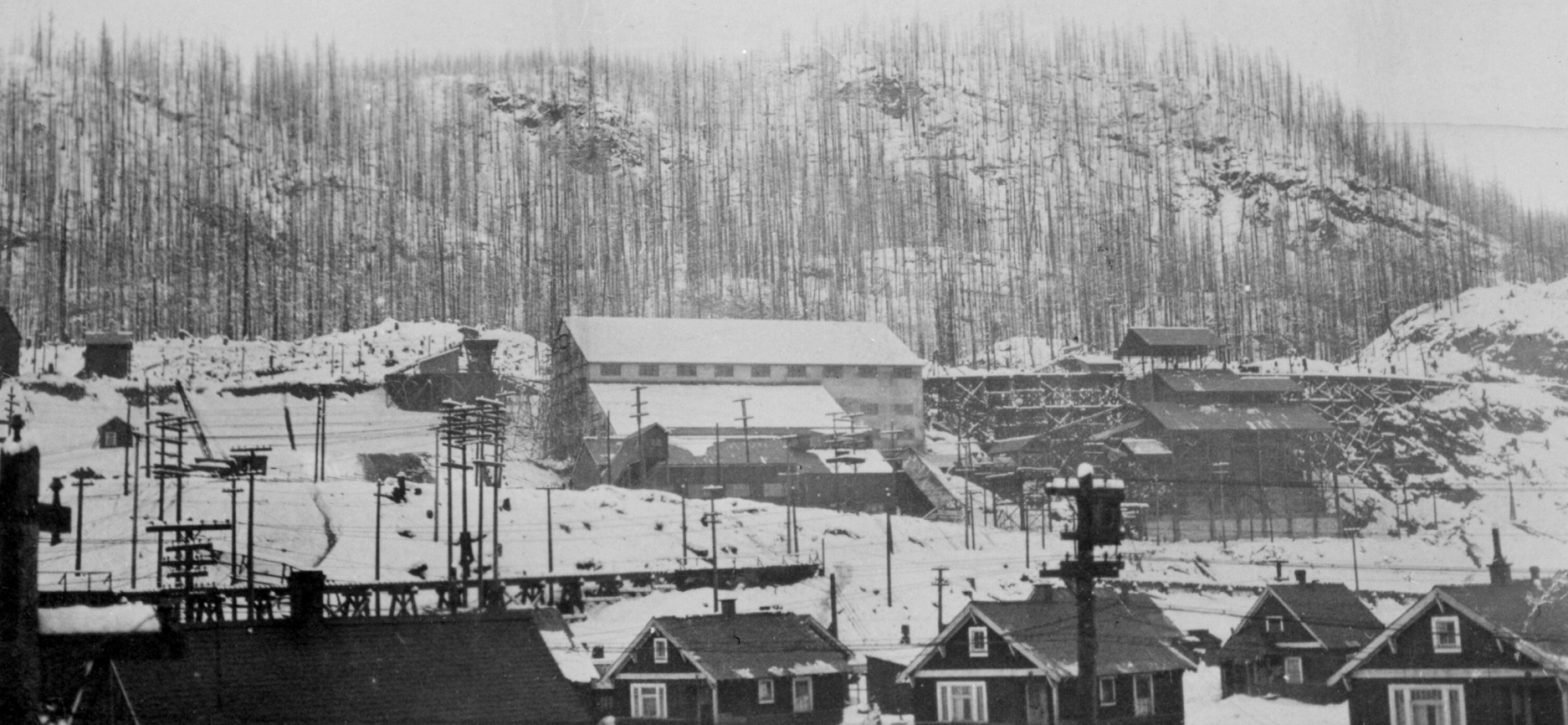
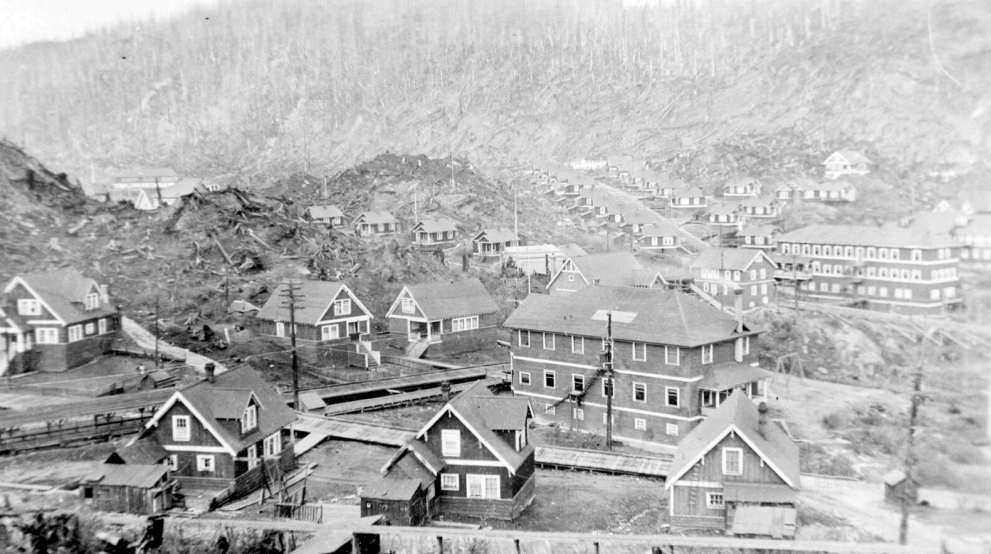
Anyox was a town far ahead of its time. At its peak, it was considered the most sophisticated and well-equipped mining and smelting town in North America. It offered everything one could need: a three-story general store that functioned more like a mall for its era, a movie theatre, barbershops, a post office, a hotel, tennis courts, a bank — and the list goes on.
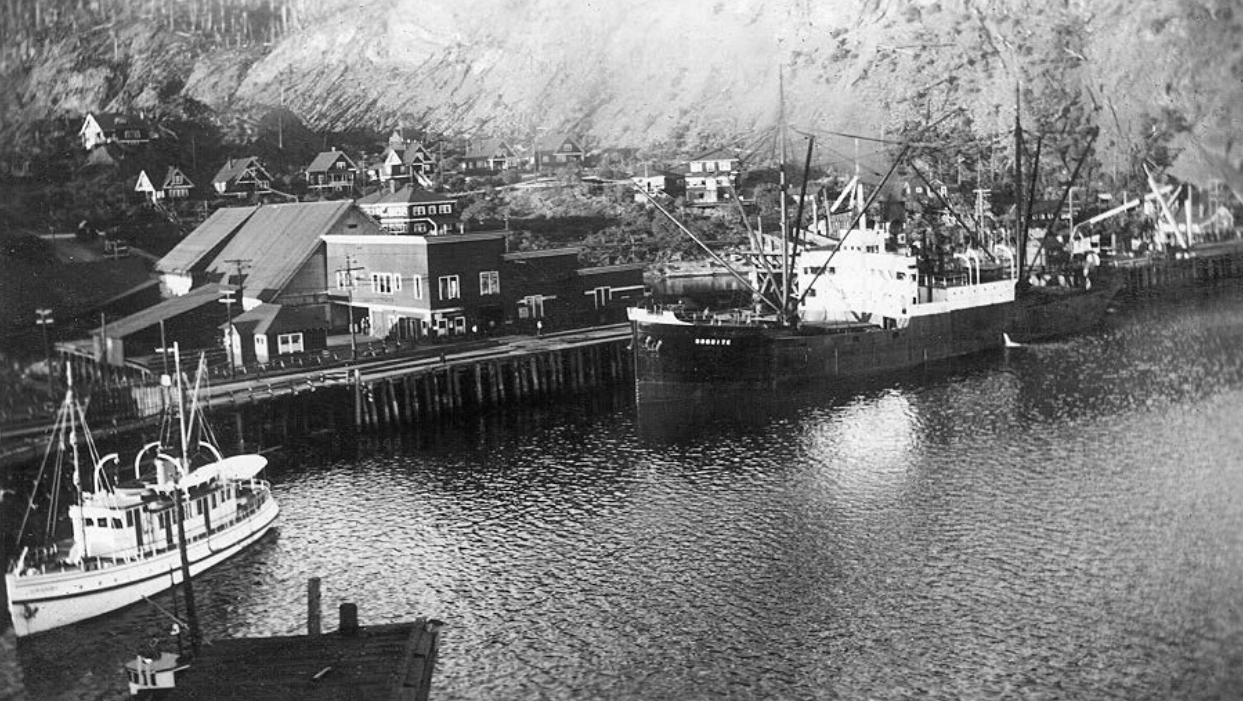
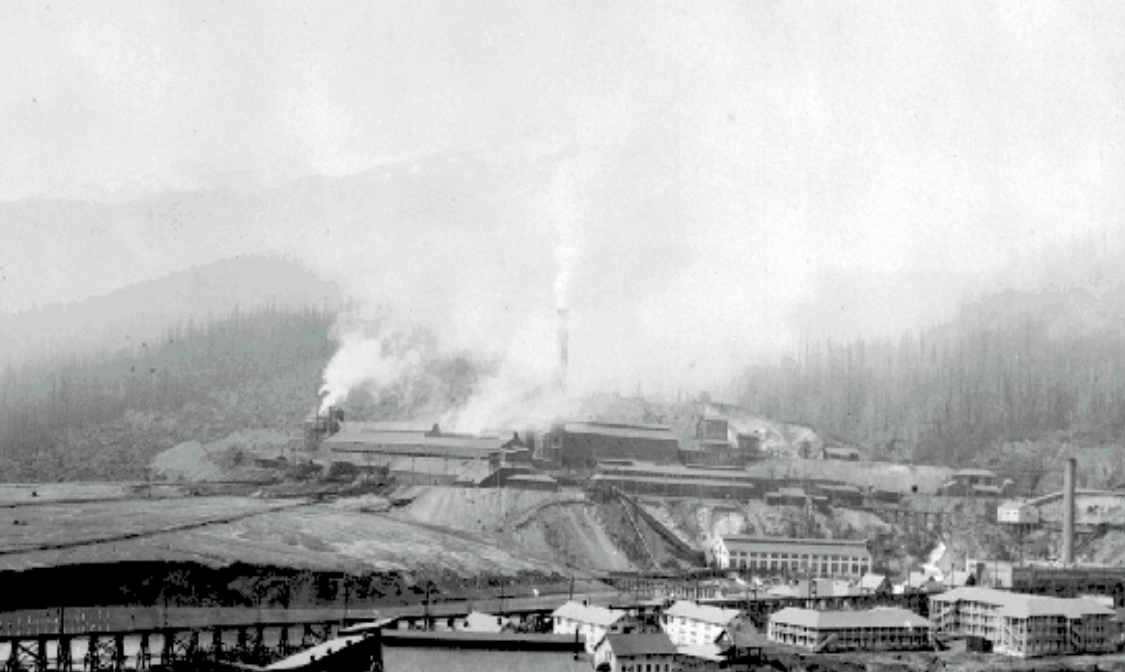
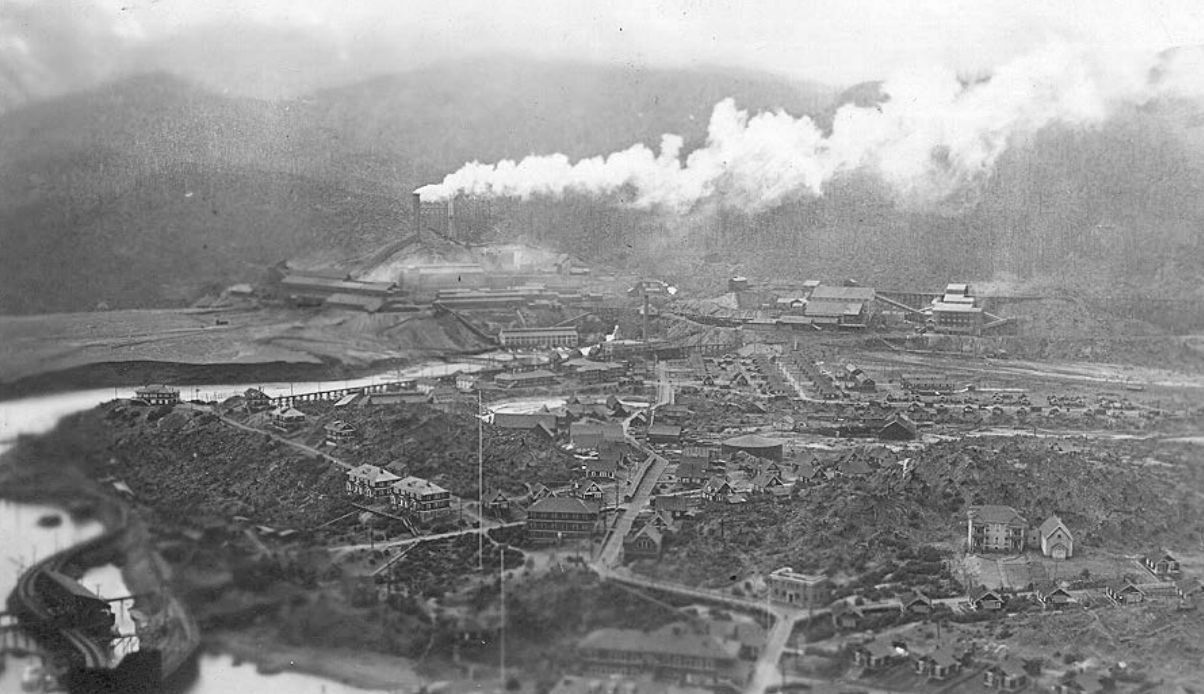
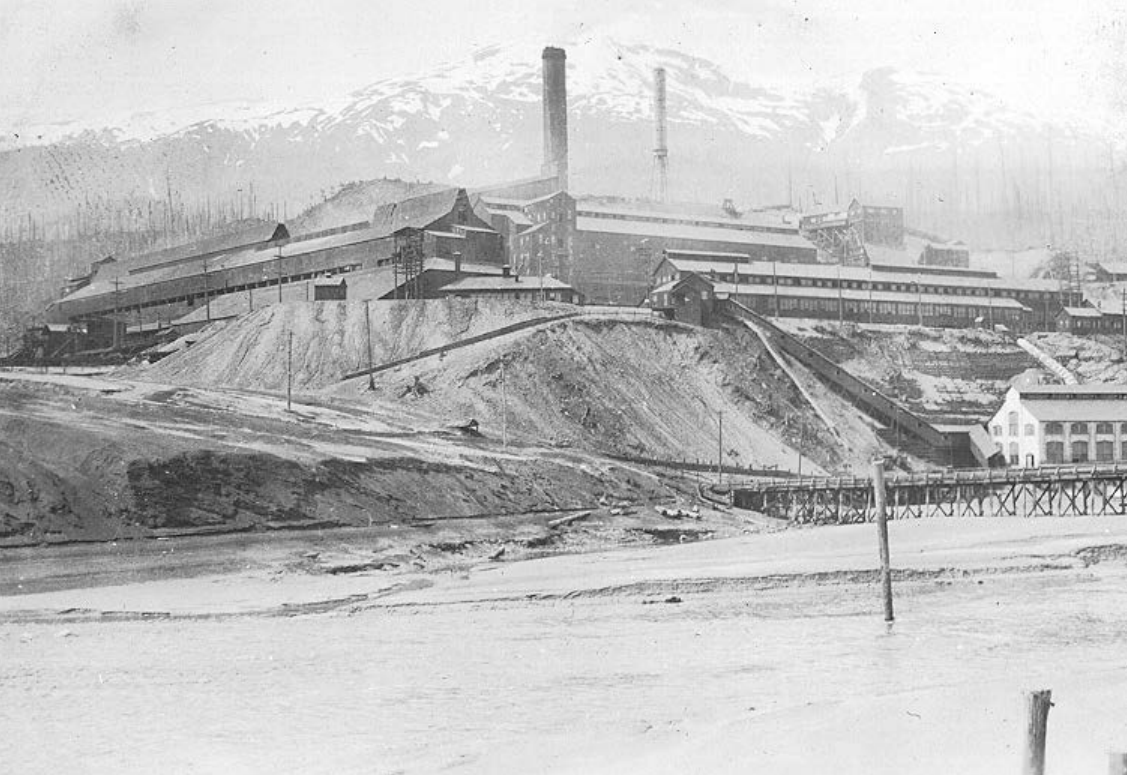
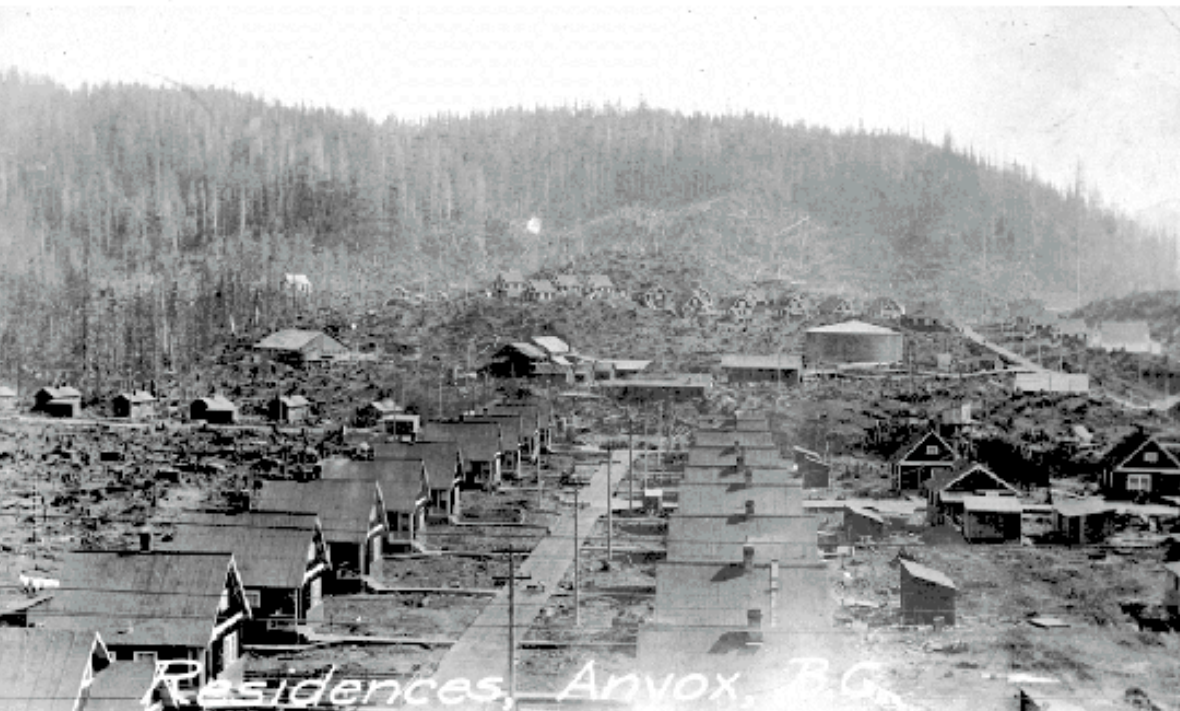
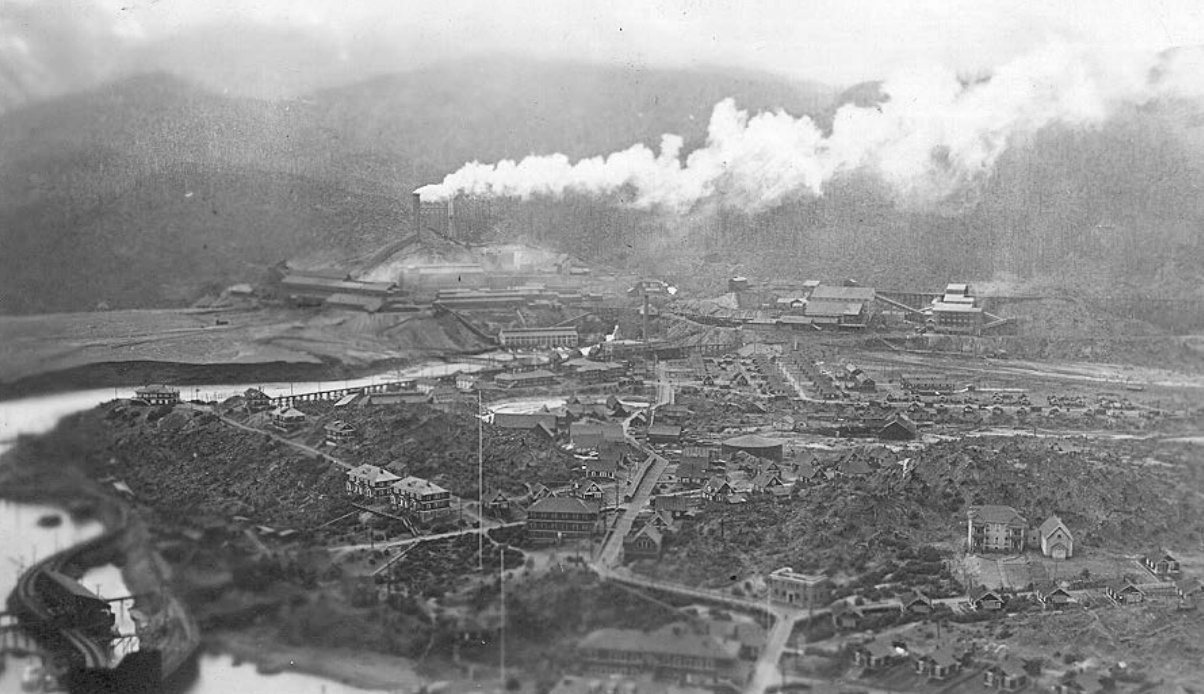
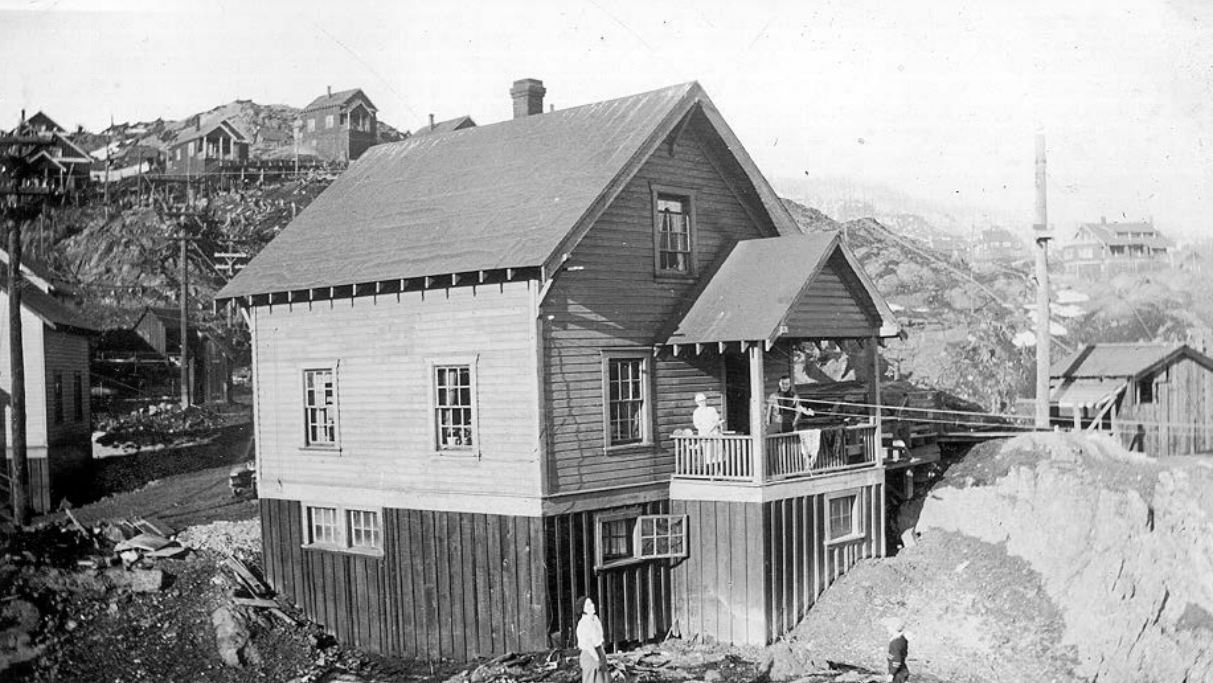
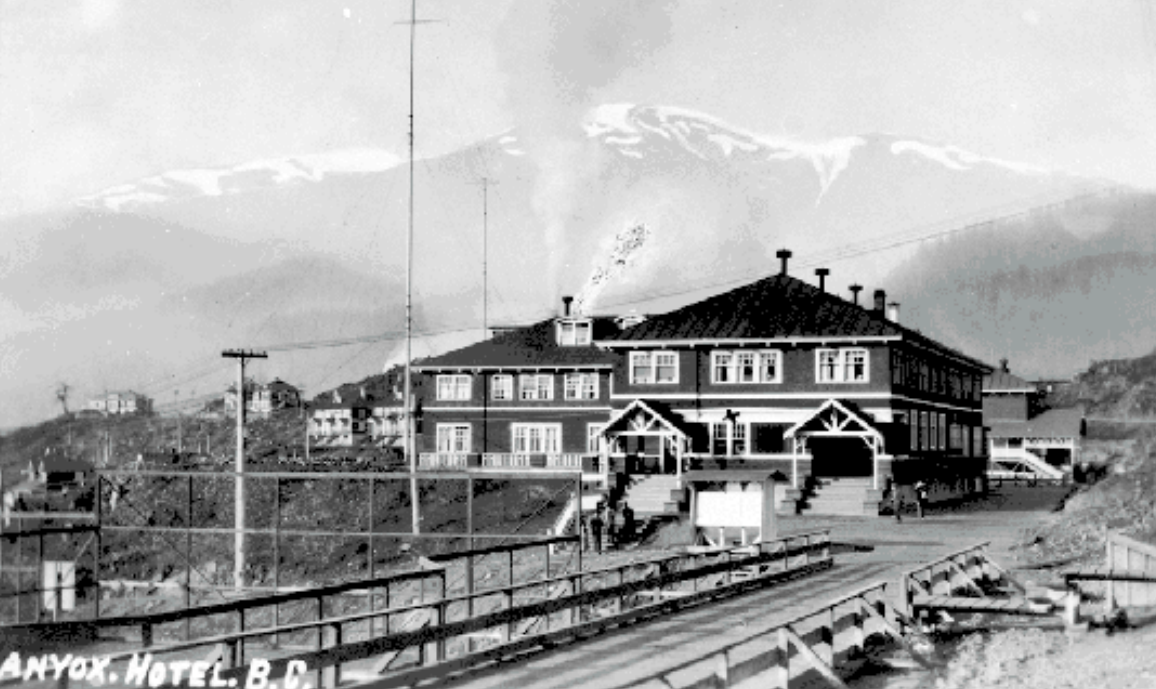
Even during Canada’s economic downturn in 1929, Anyox lived up to its name. It remained a haven with well-paid jobs, abundant housing, and modern amenities, despite its isolation.
Today, the ruins are hidden beneath thick vegetation, easily missed if you don’t know where to look. To truly experience what’s left of this once-thriving mining town, you must hike into the dense foliage and witness the remnants of its past.
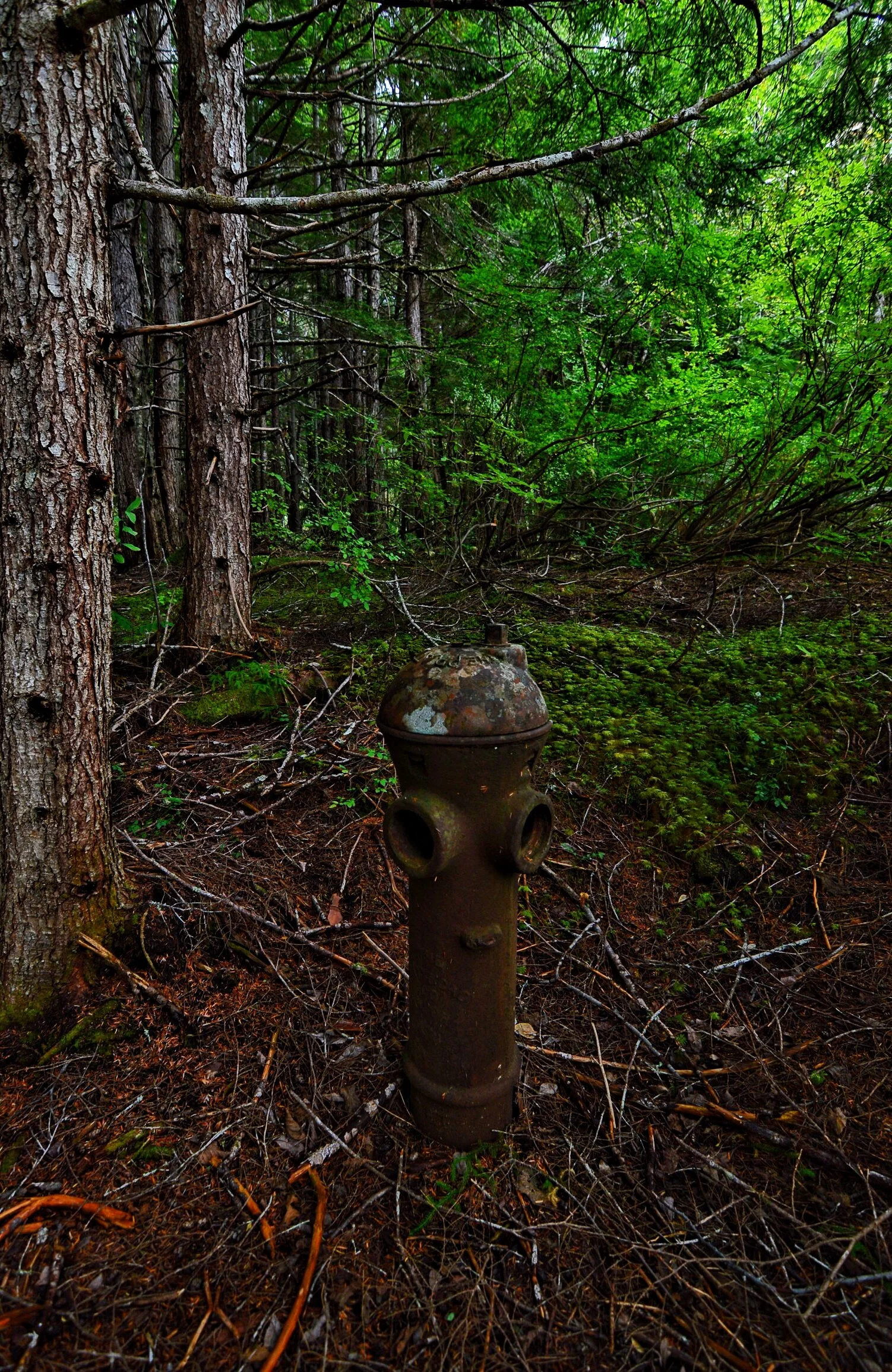
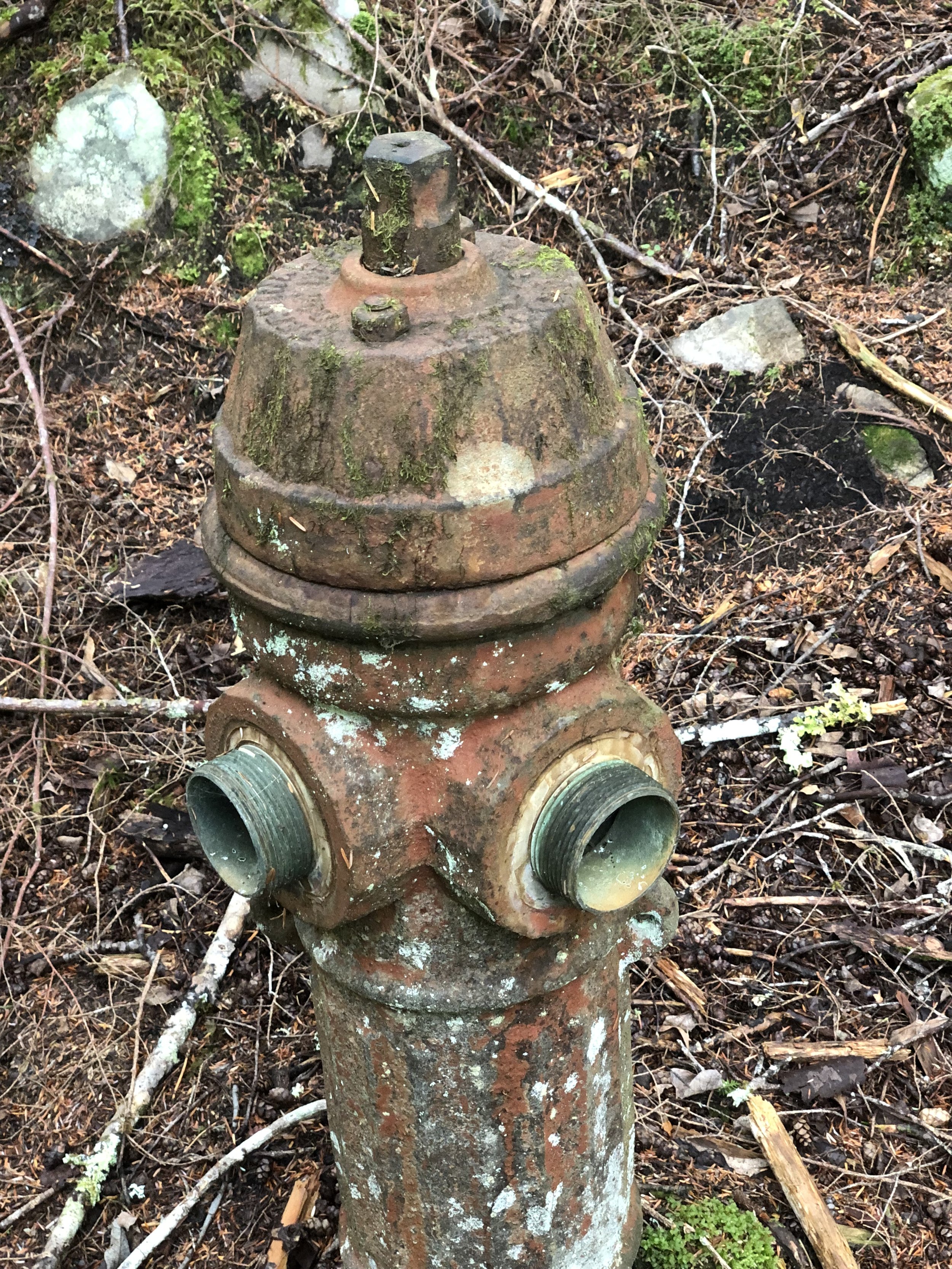
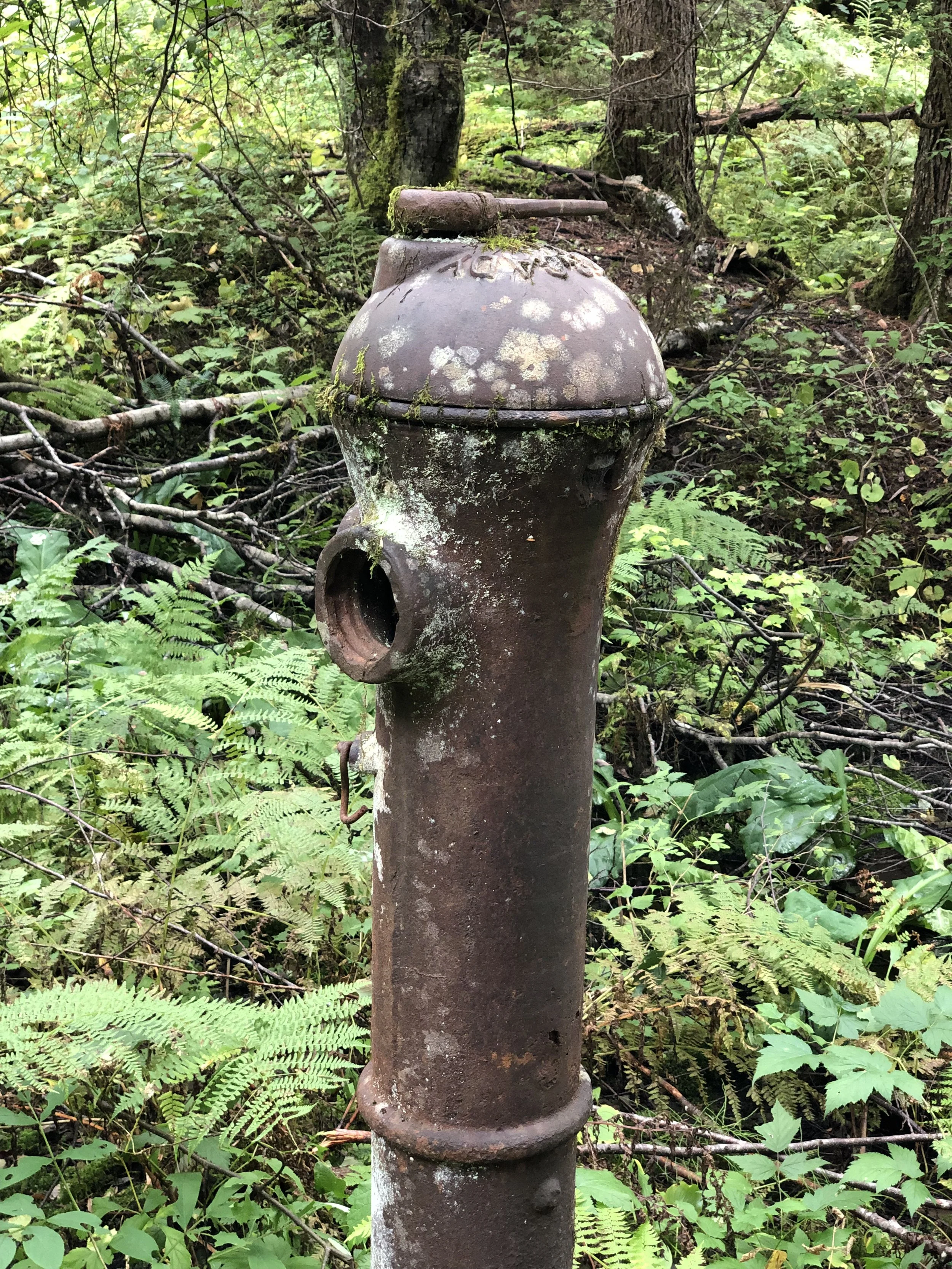
As we trudged through the thick bush, Rob, our intrepid guide, steps aside and smiles: “Take a look around — you’re standing along one of the streets that used to have dozens of homes.” We stood for a while and took it all in — nothing but dense forested vegetation lay before us. The only reminder in the area was a single fire hydrant that crept out of the ground, like a skeleton reaching beyond the grave.
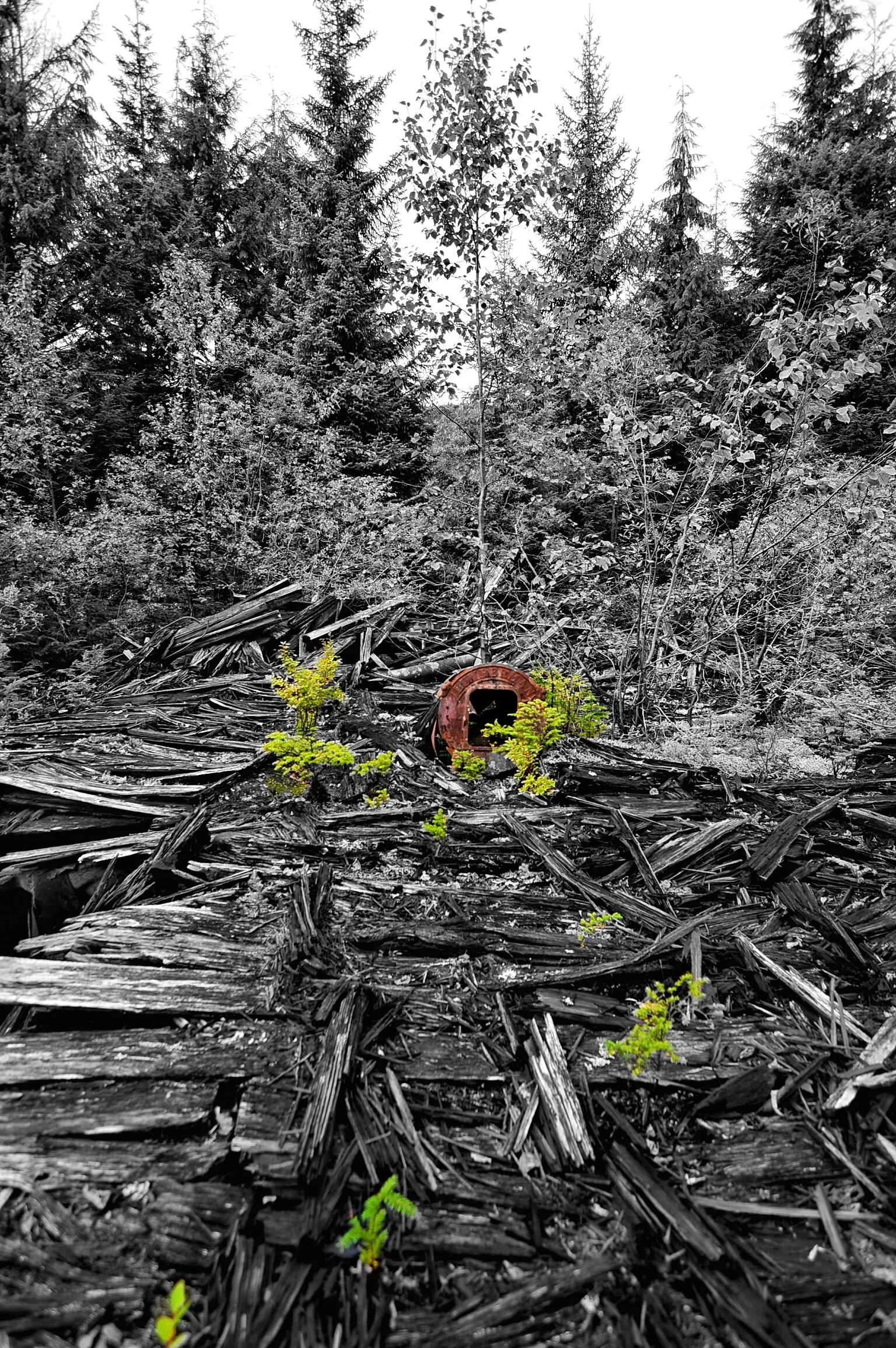
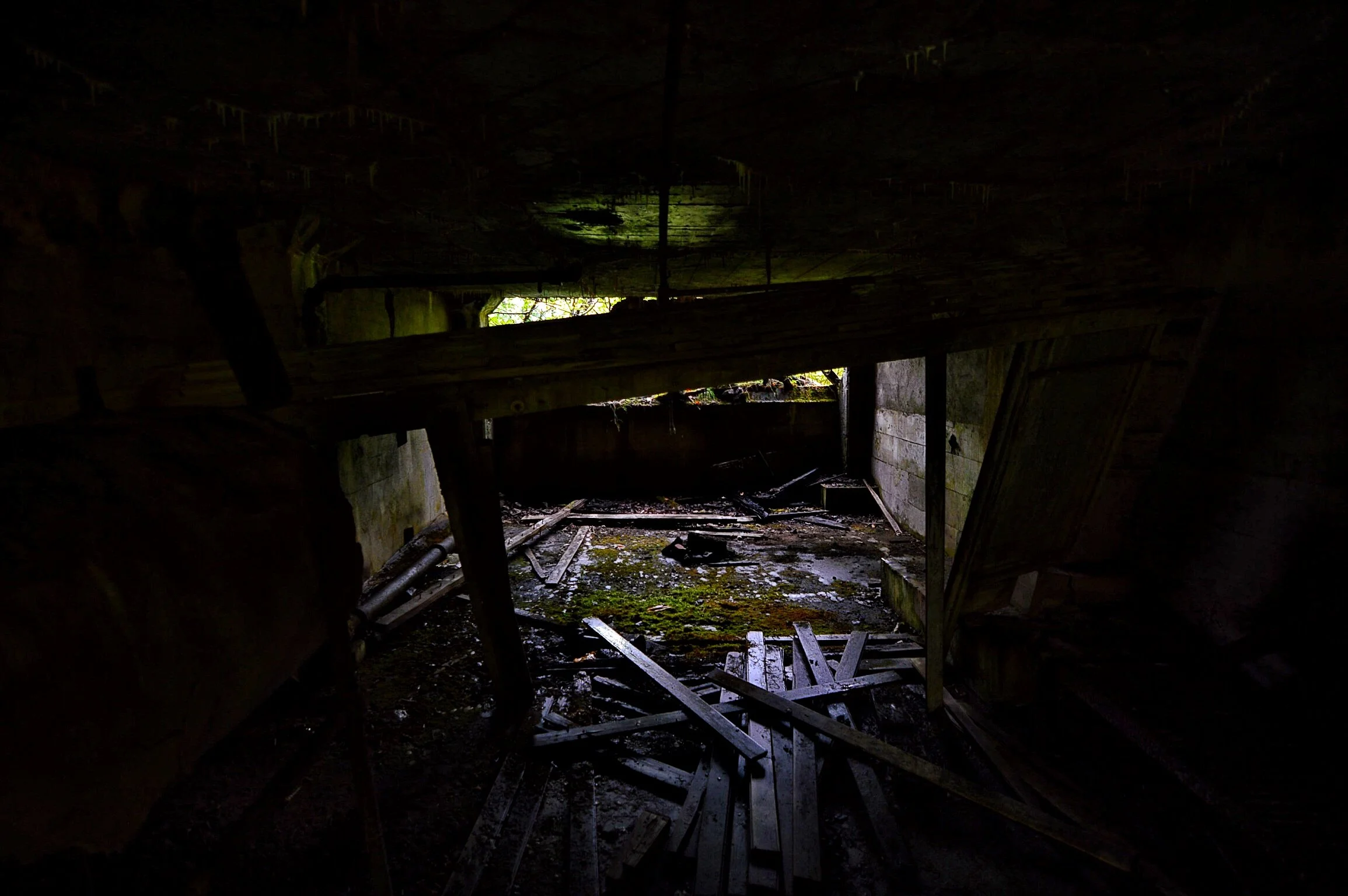
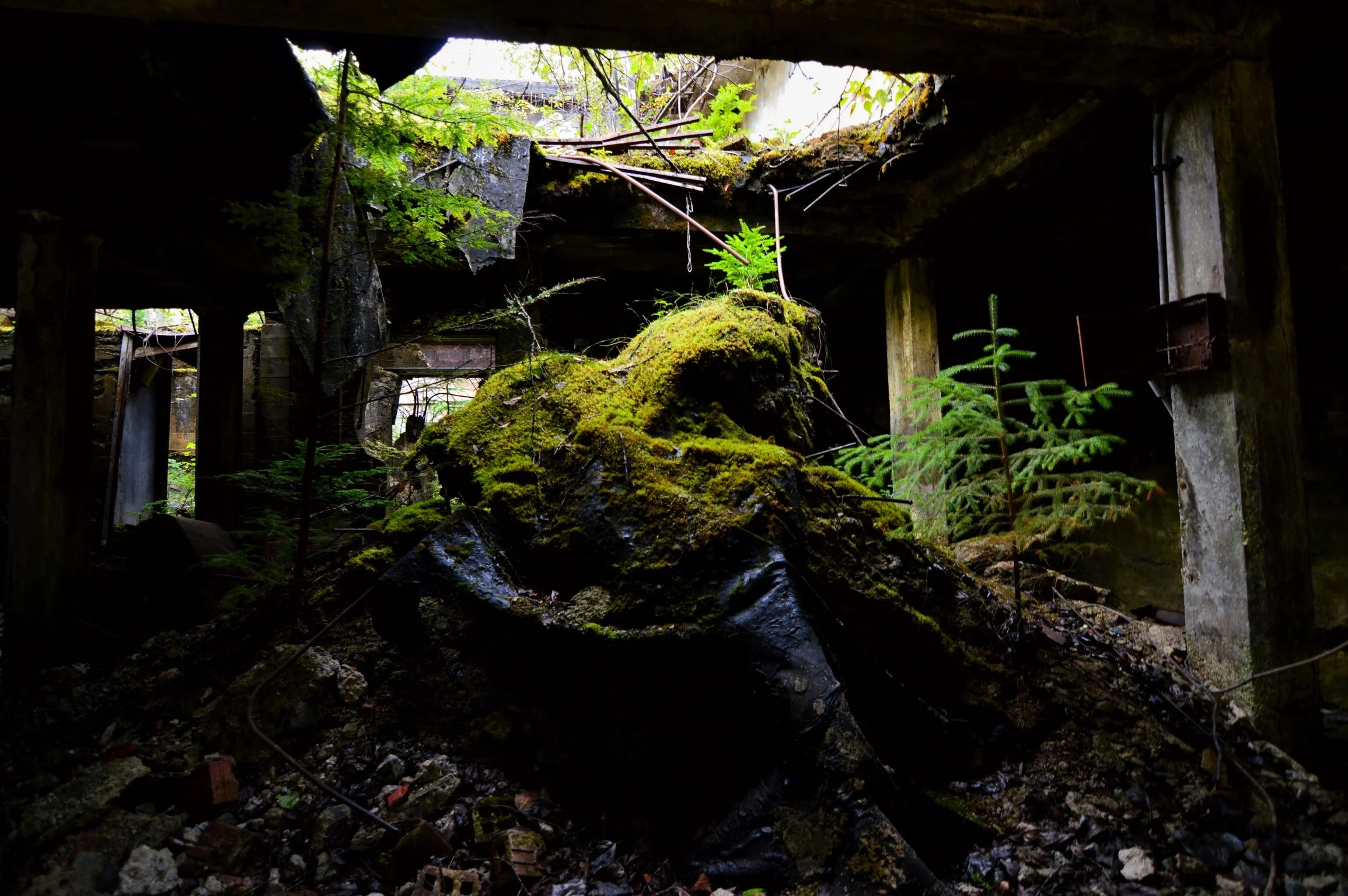
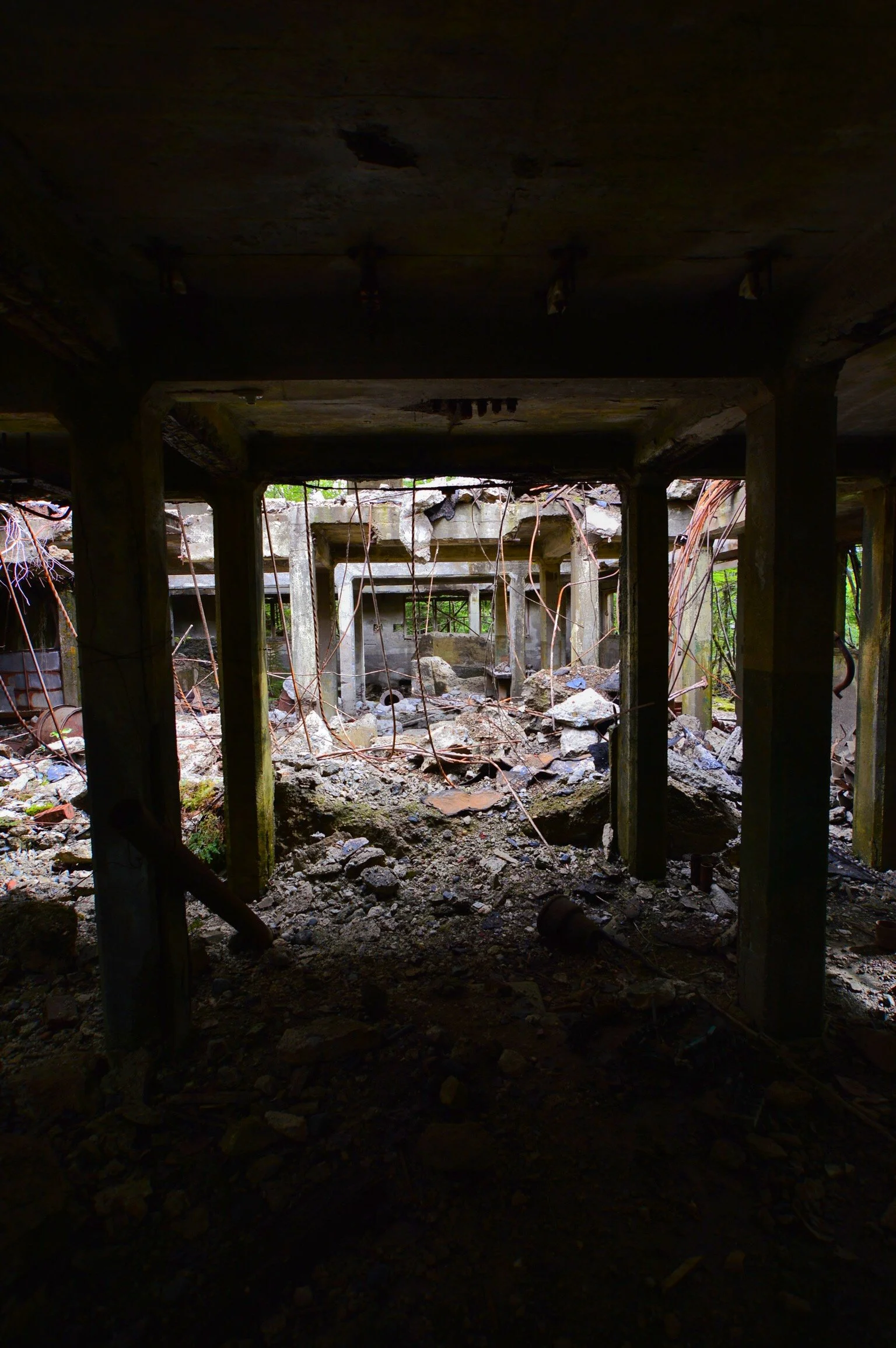
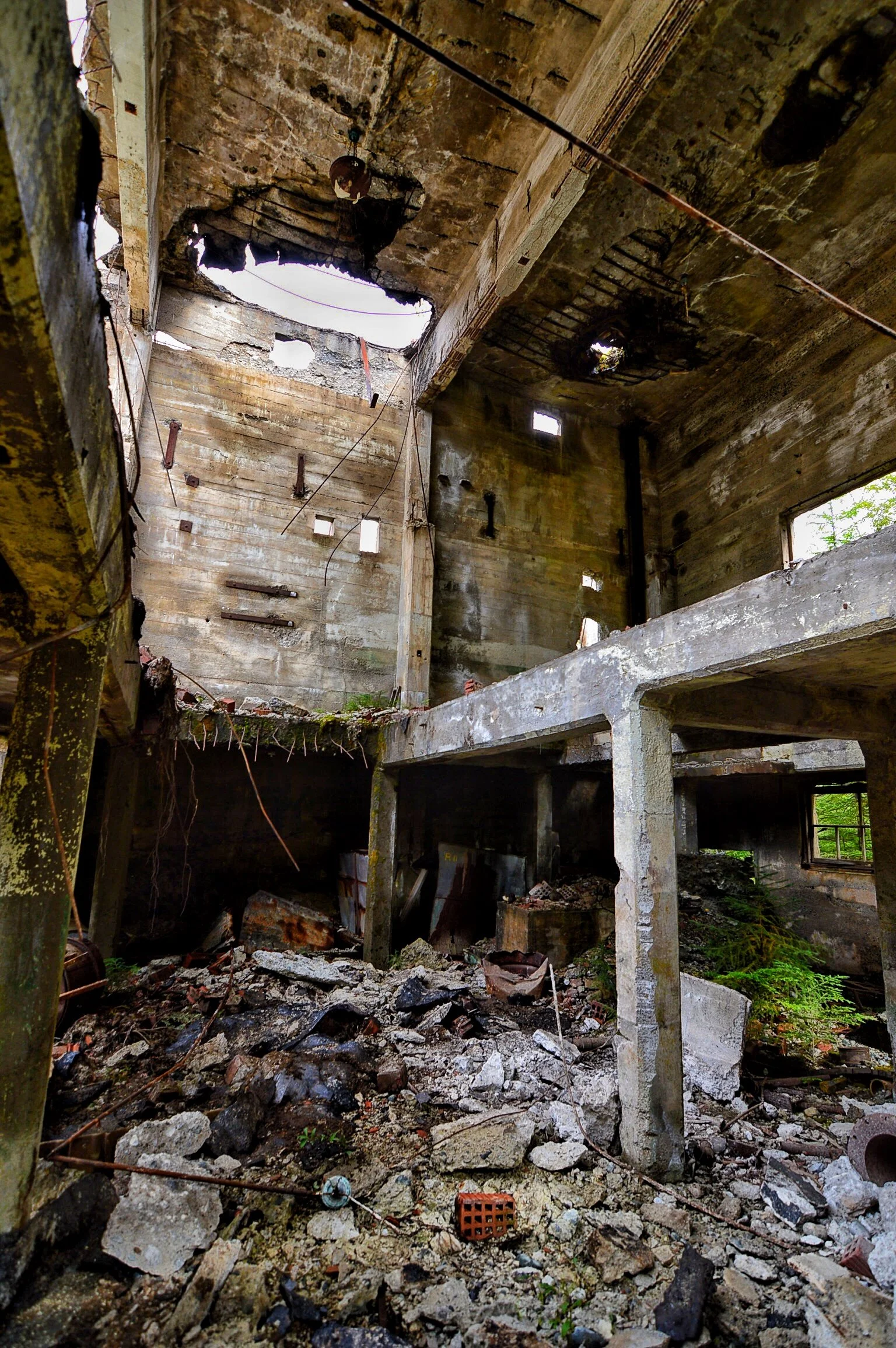
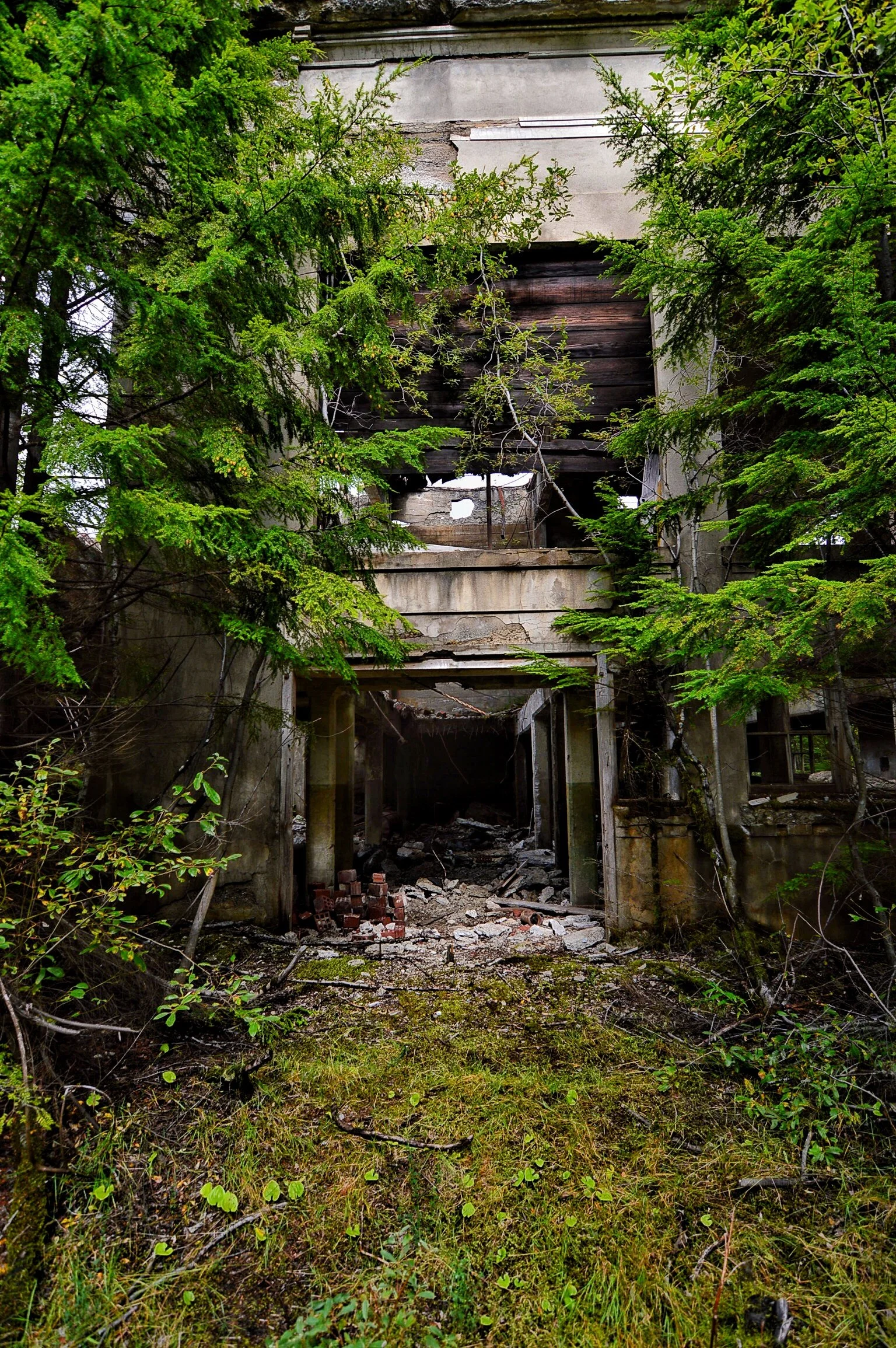
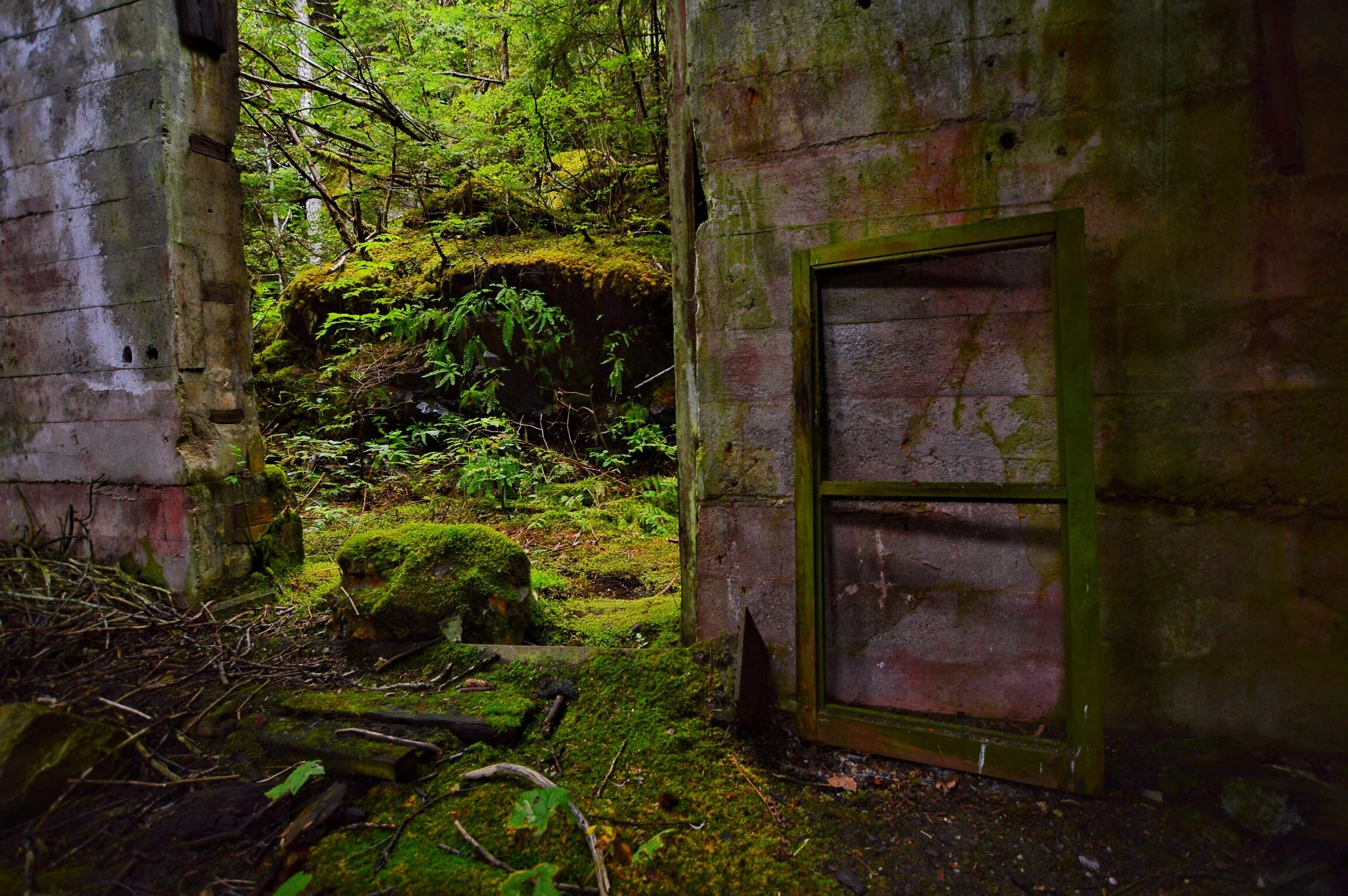
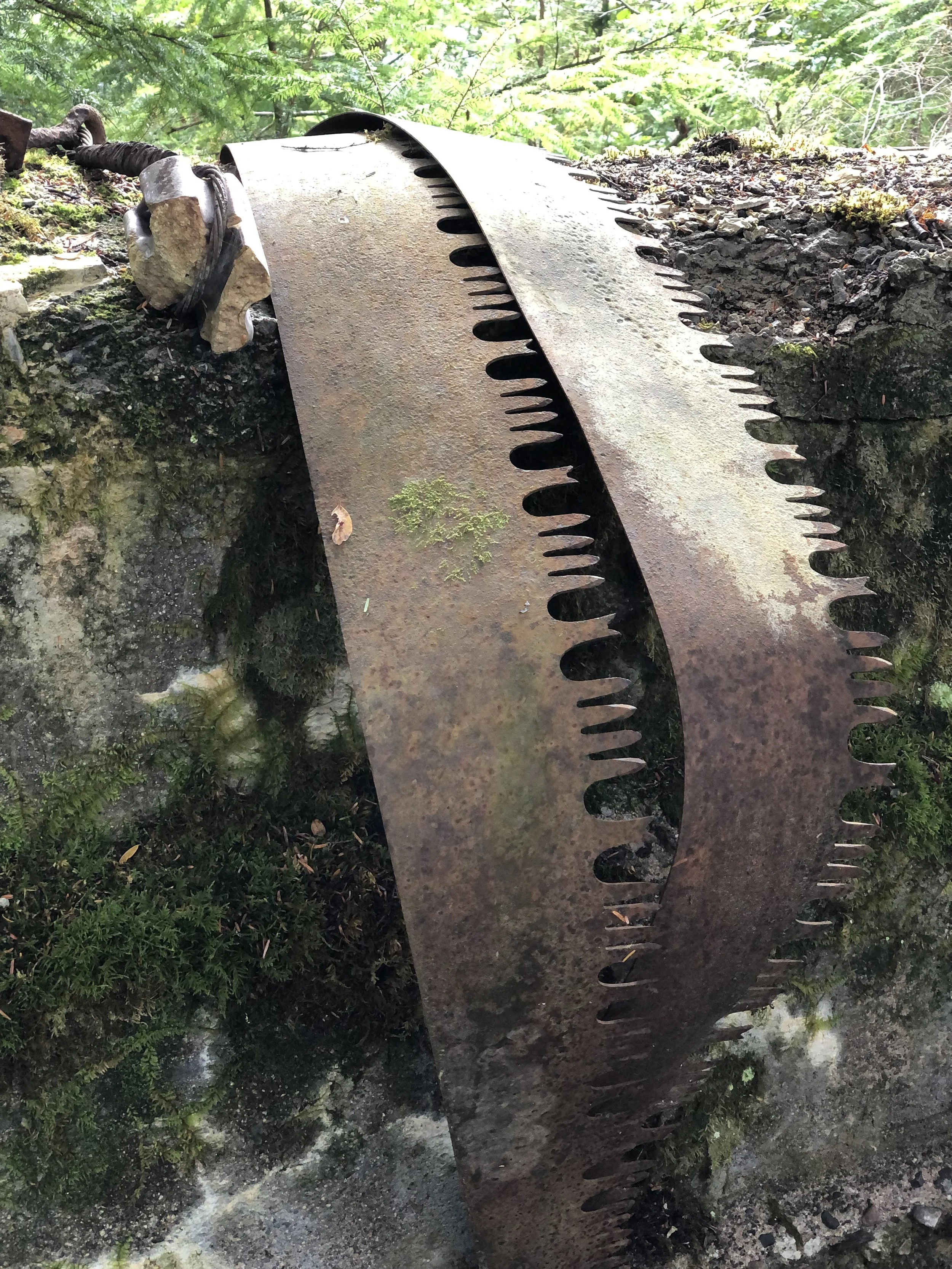
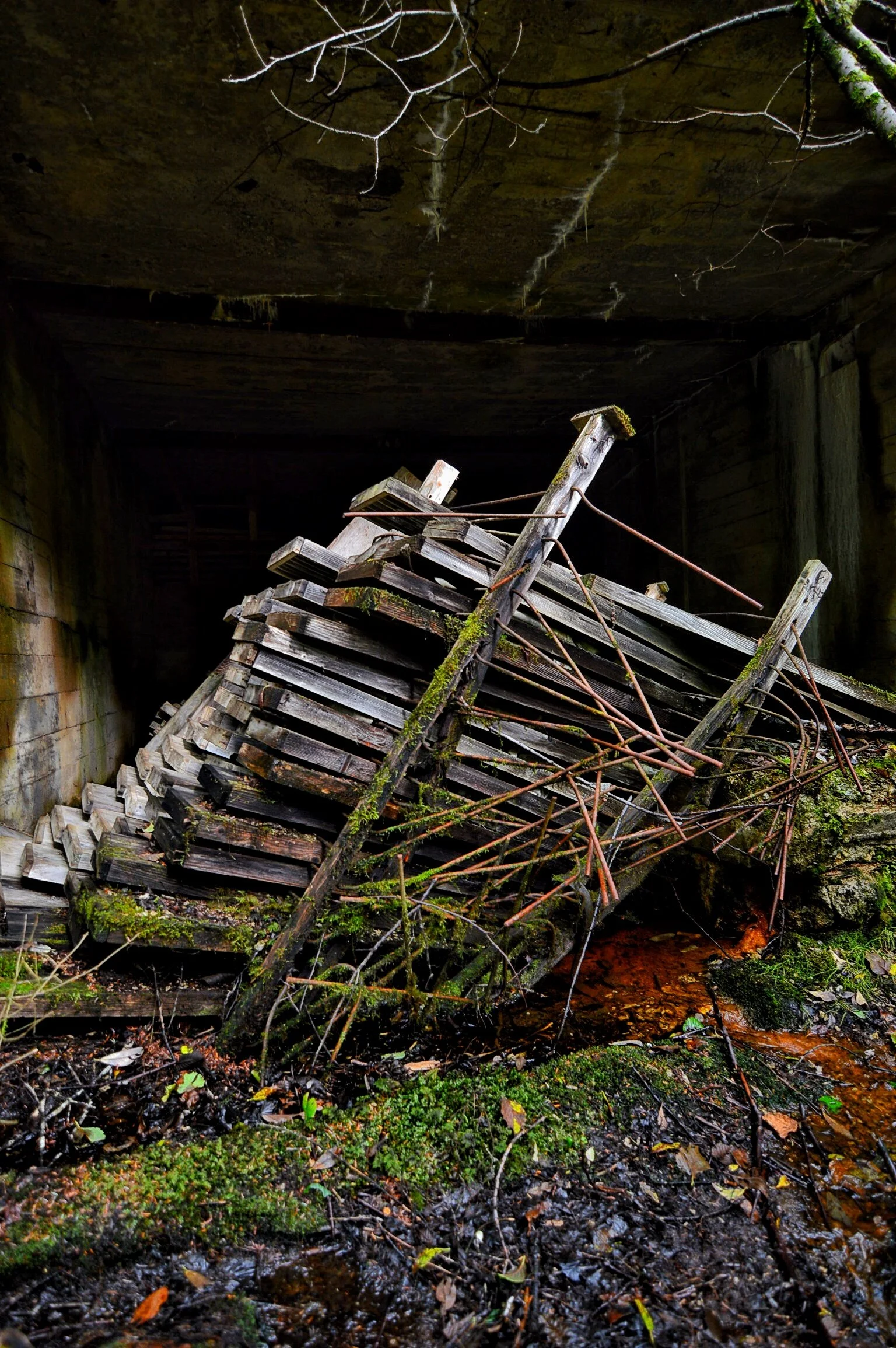
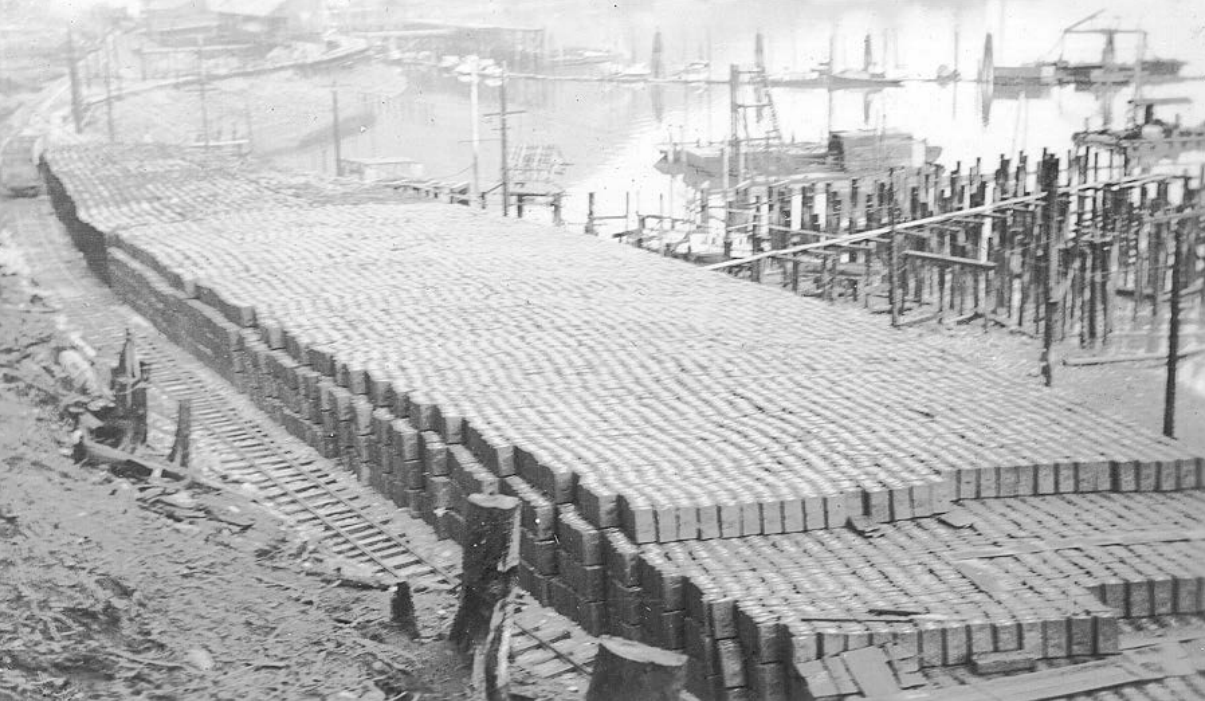
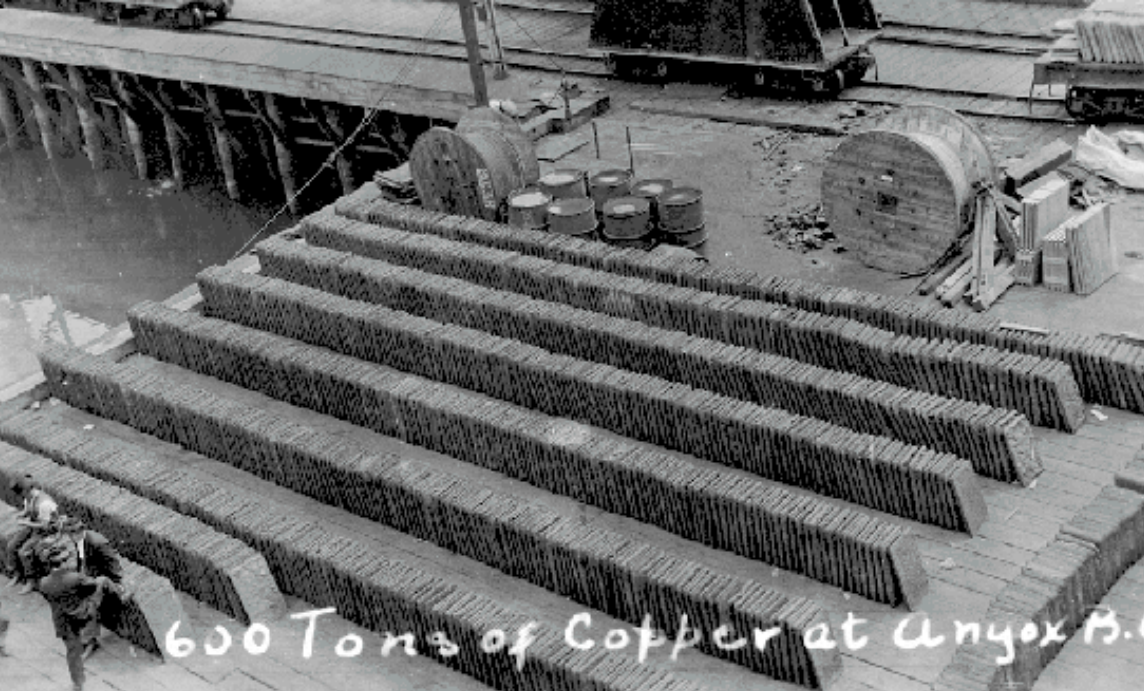
During its operation, Anyox was developed for $13 million. It produced 140,000 ounces of gold, 8 million ounces of silver, and a whopping 760 million pounds of copper! Even with these staggering numbers, when copper lost its economic importance in 1935, it was an event that forever sealed the town’s fate.
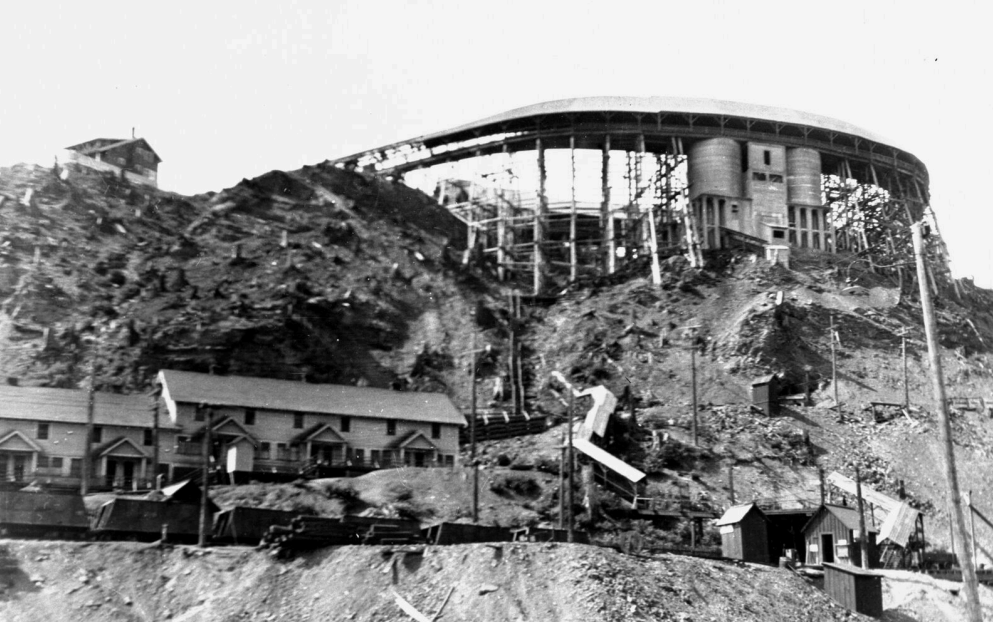
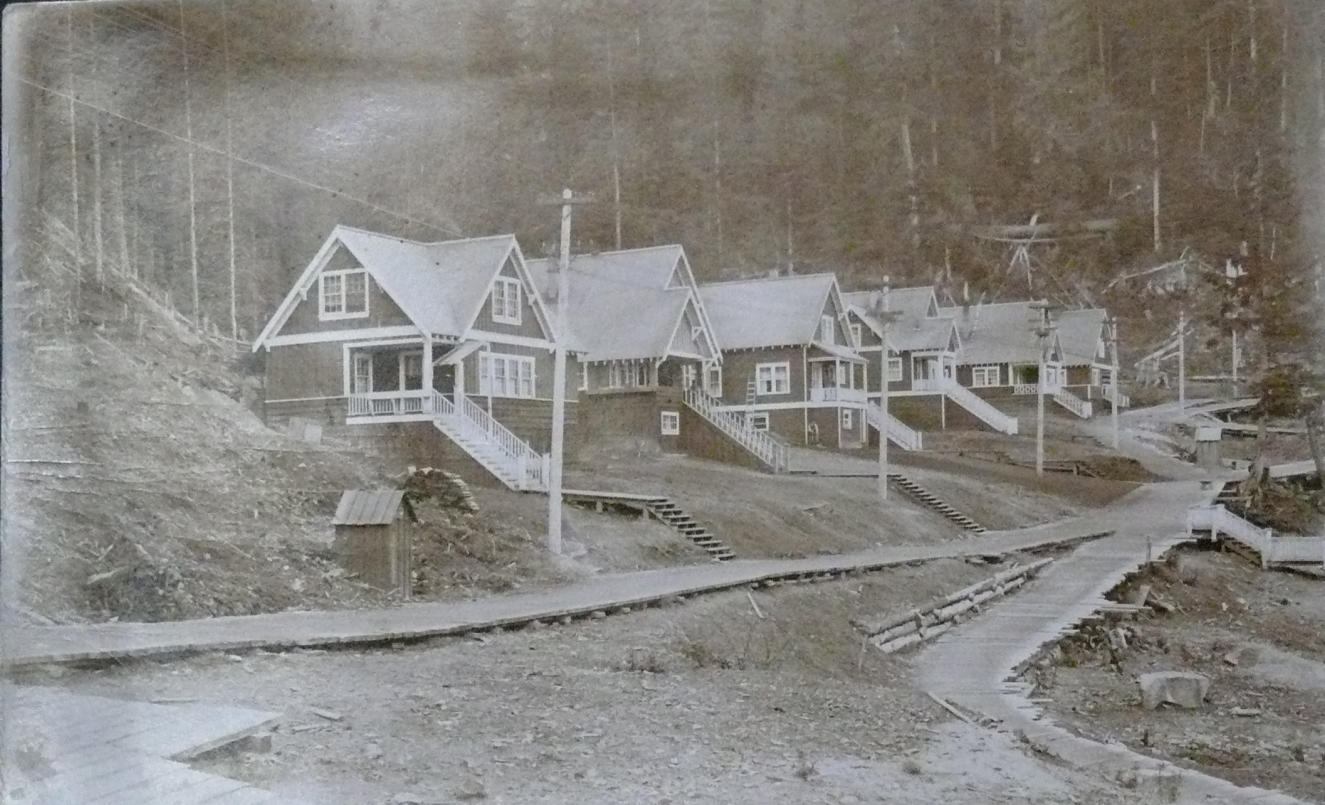
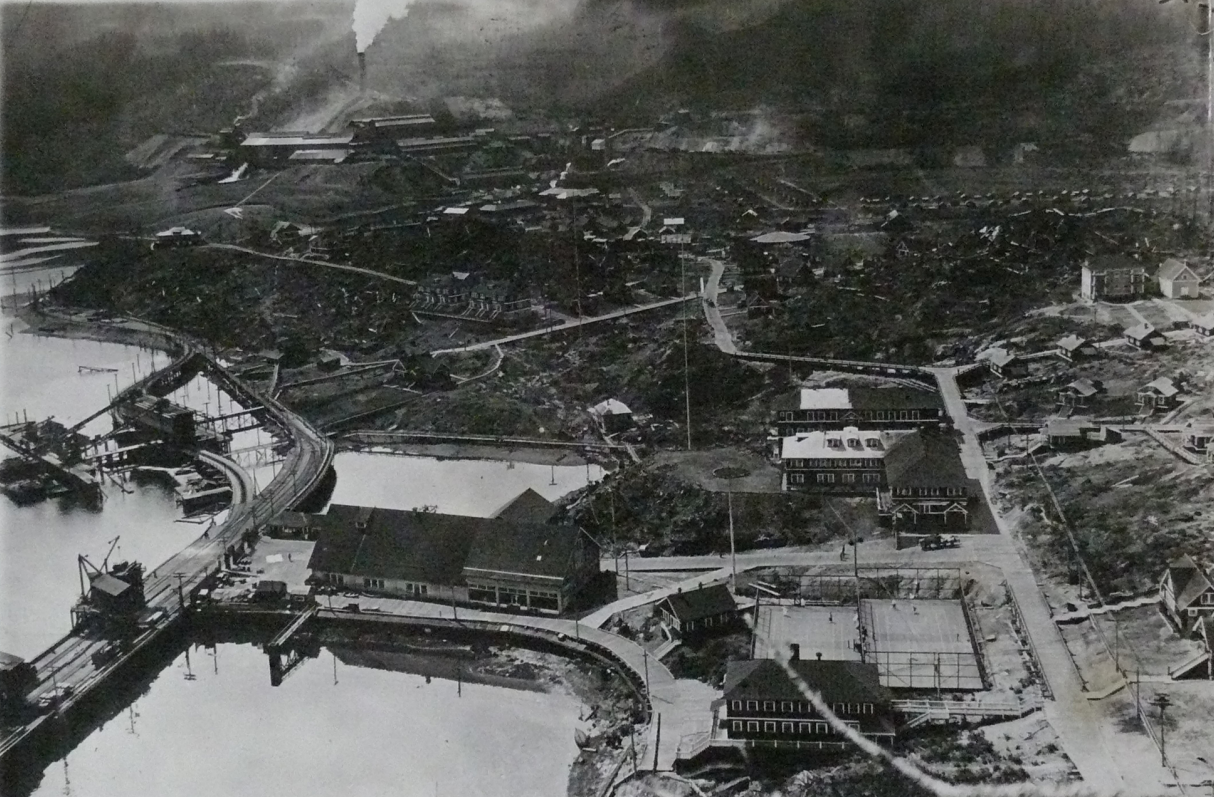
When the citizens were informed of a finalized mine closure date, a mass exodus began. For many, moving was a great hardship — there were no other industries to turn to, and moving costs were barely covered.
Some opportunists took advantage of the hardship, offering $50 for the entire contents of a person’s home to later resell. With the mine officially shutting down in July of 1935, the closure affected a large portion of western Canada. This was the end of Anyox’s economy and spirit; with its soul laid bare, there was still another nail in the coffin yet to come.