Chasing down the first “big one”
An invaluable tool for hunting down sites, has always been scrolling for hours through through the ATA’s databases. The volume of catalogued school houses, is not only immense - but gives a great deal of opportunities to chase down history before it fades away.
I had been exploring smaller sites up until this point, and like most urbexers in the hobby; the thrill of finding a large abandoned site is incredibly alluring. Spending a couple of days pouring over google images and scanning google maps - i found it. This is where the addiction hits the hardest and raises more questions: Will it still be standing? (was google maps correct), what will access be like? Is there anything left behind?
The only way to find out is to take a drive and put one foot in front the another.
Rewind the clock six years , and this exploration would become the catalyst for my exploring adventures.
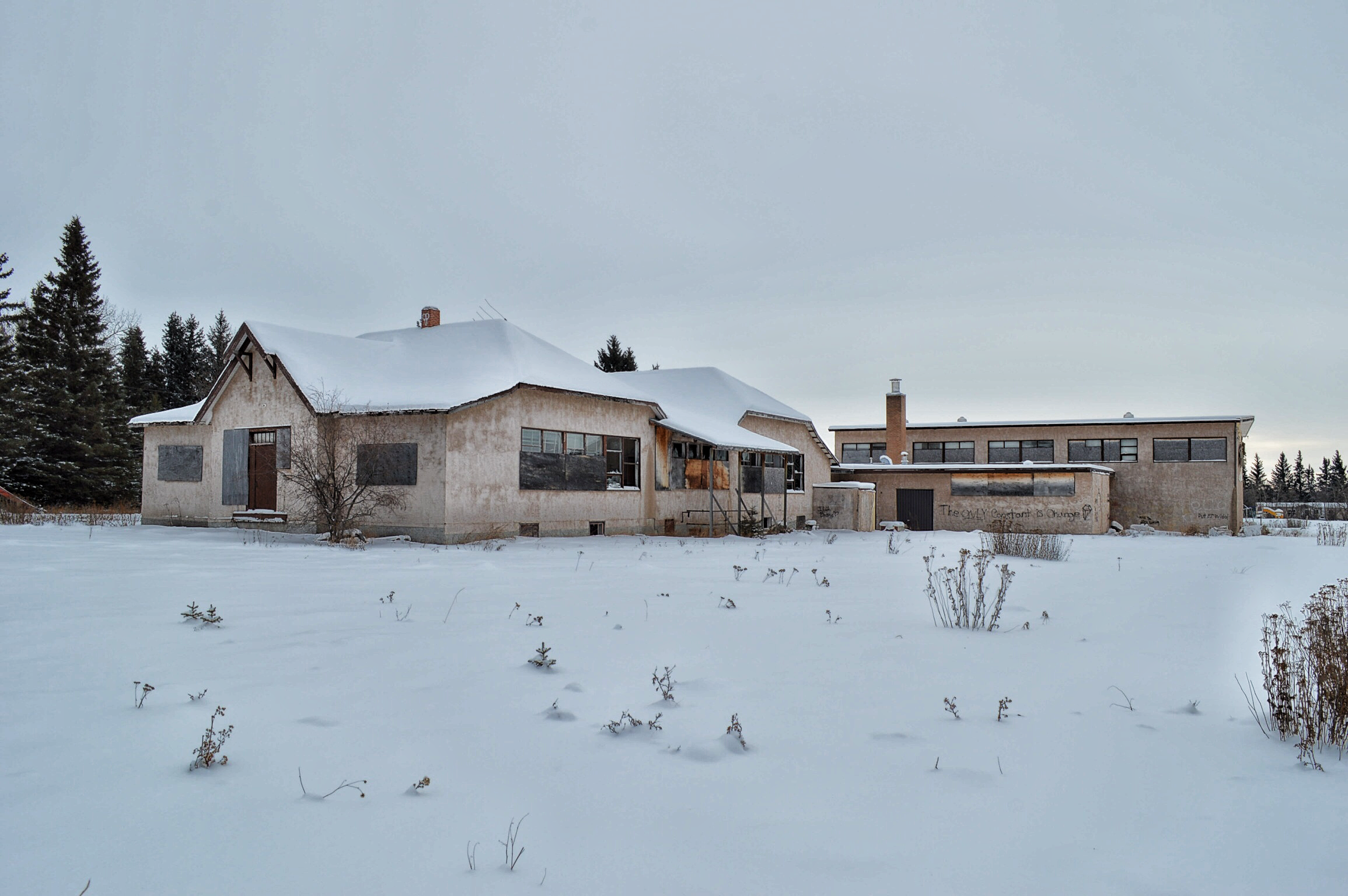
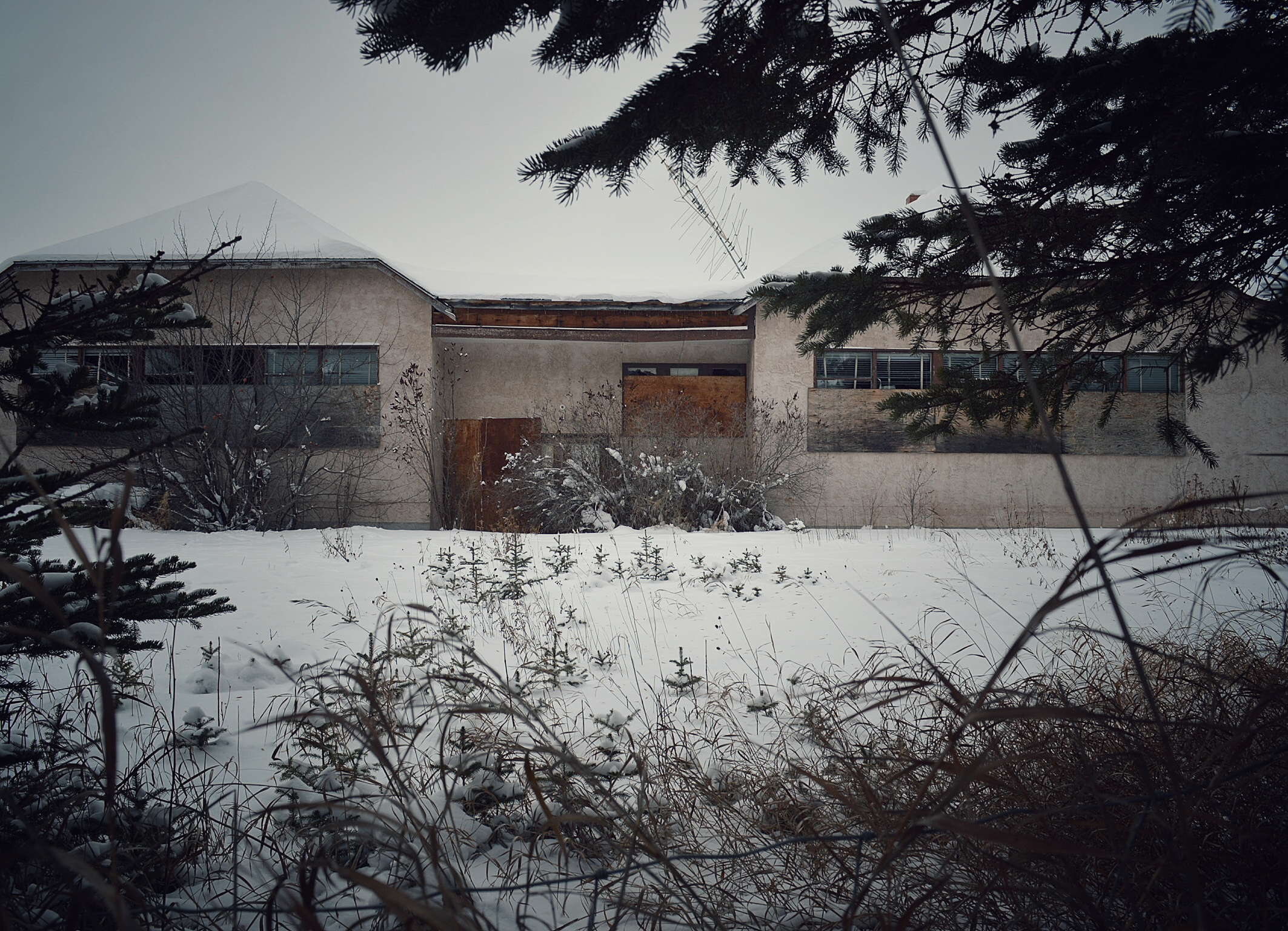
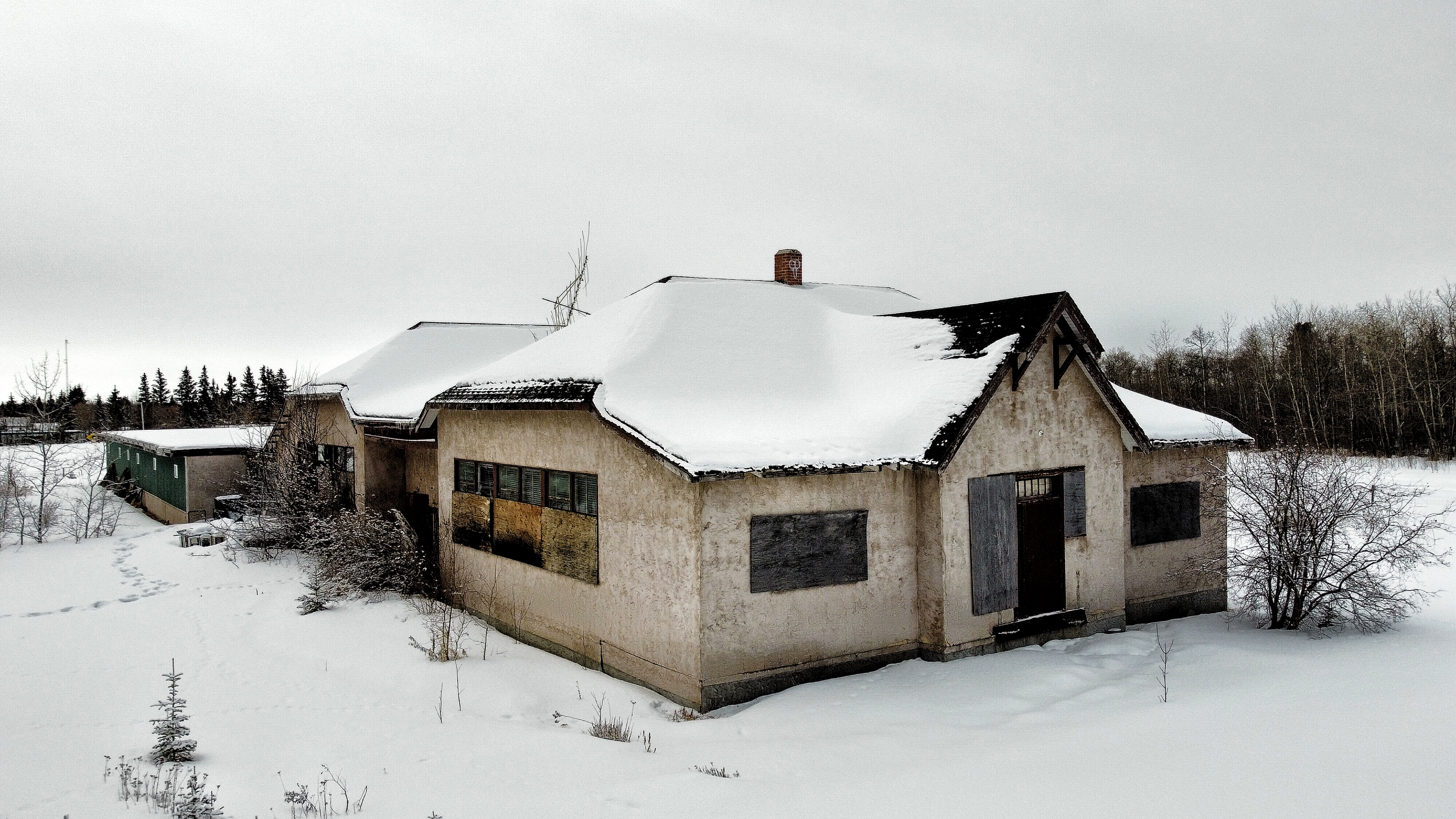
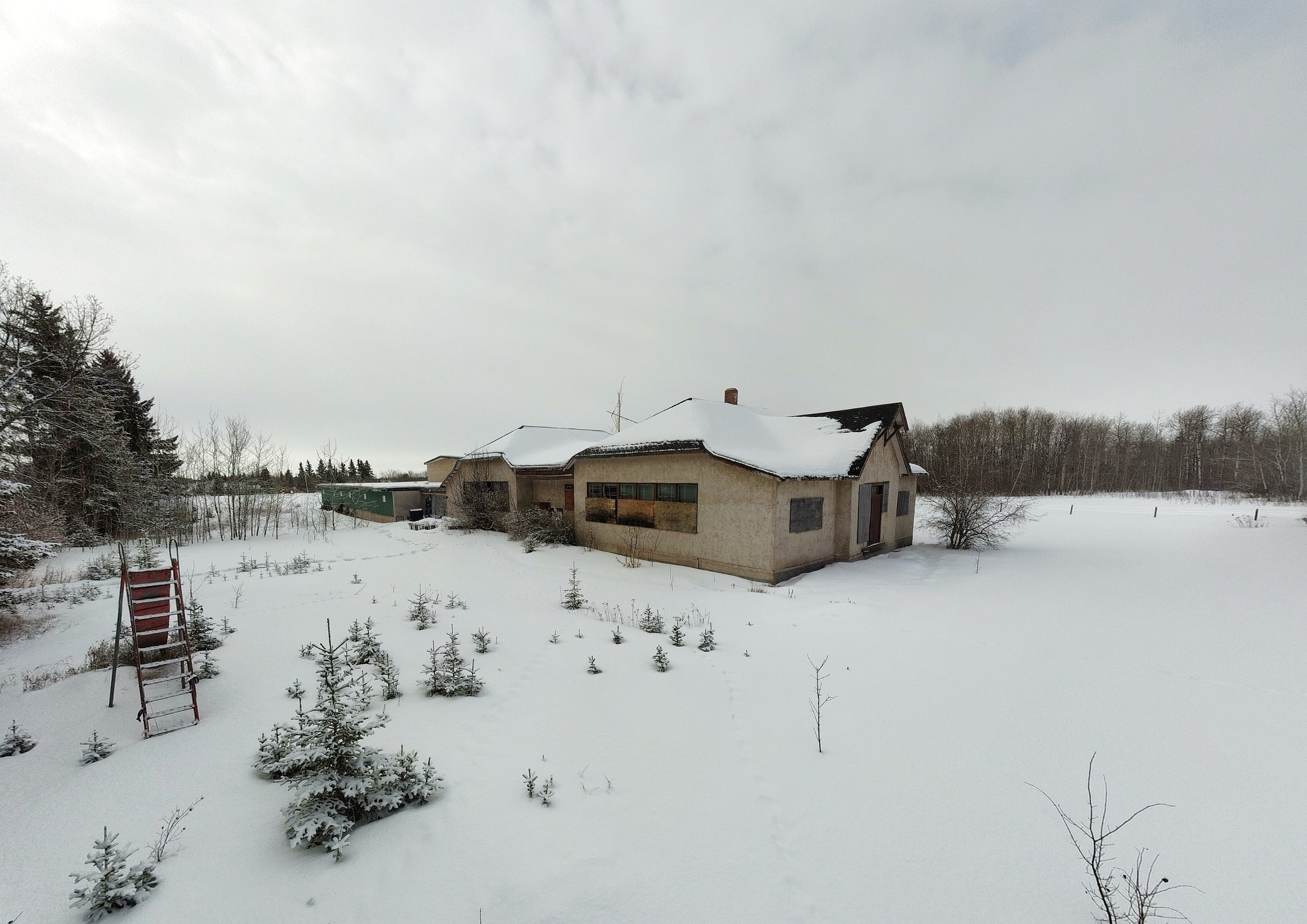

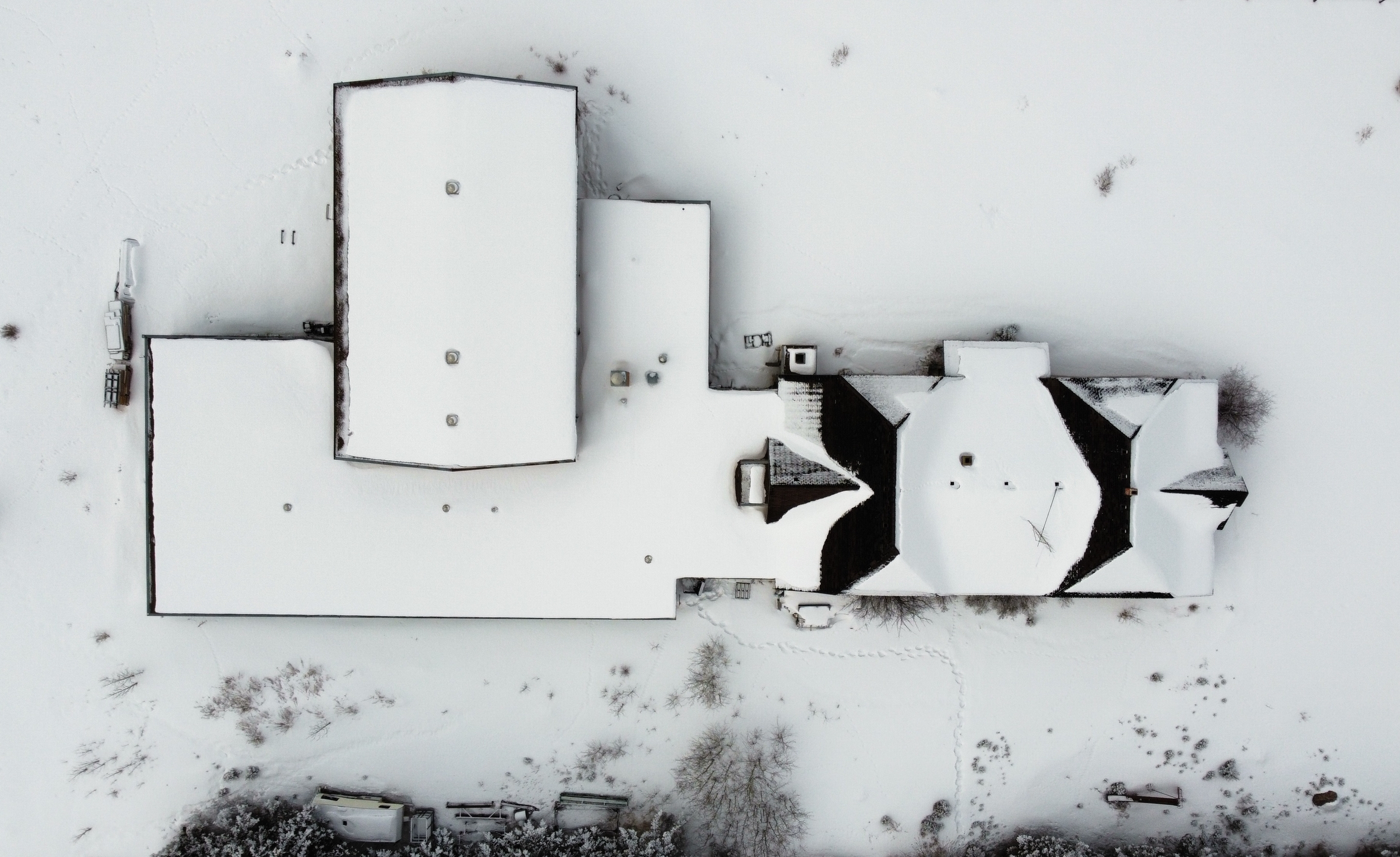
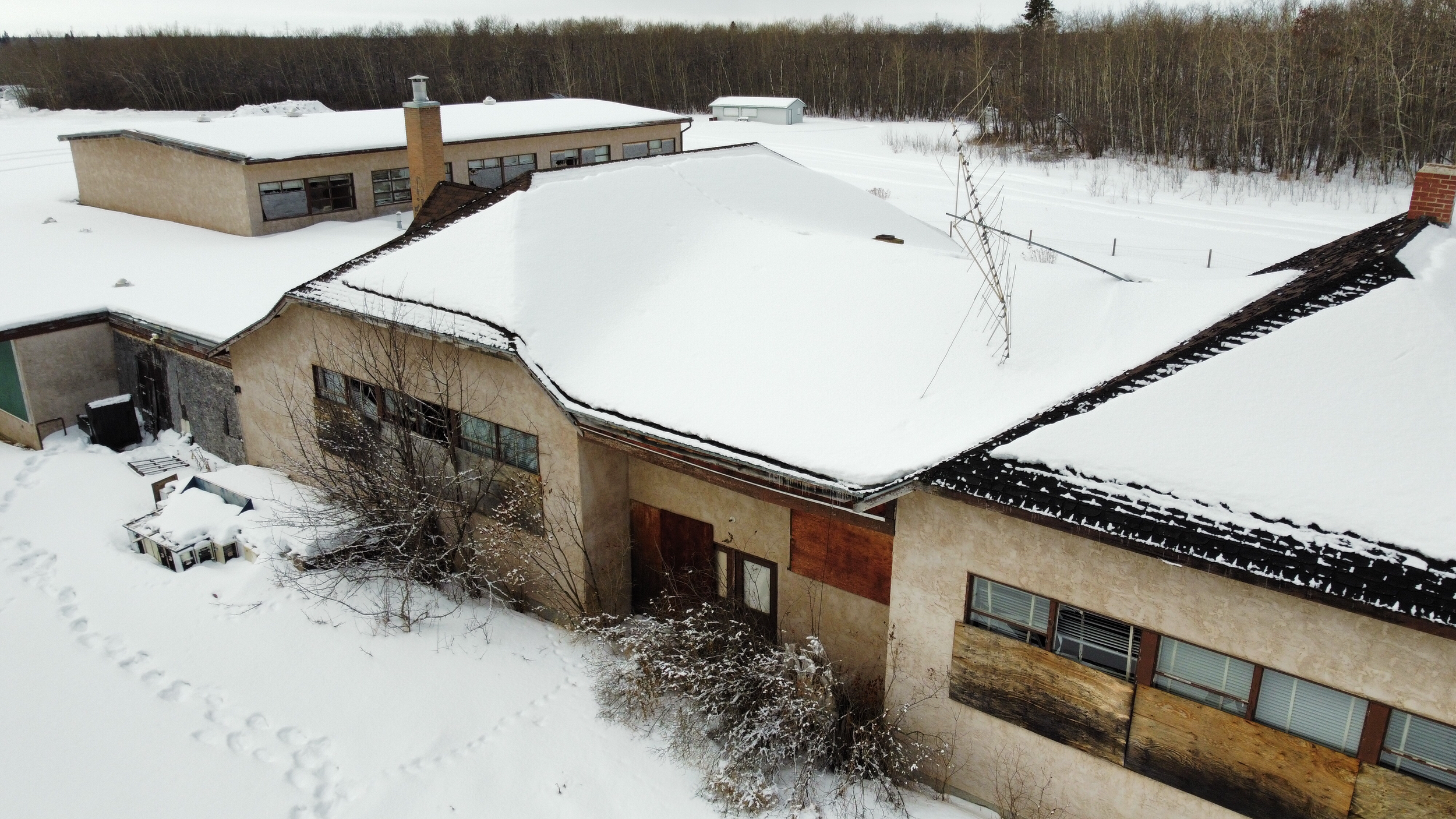
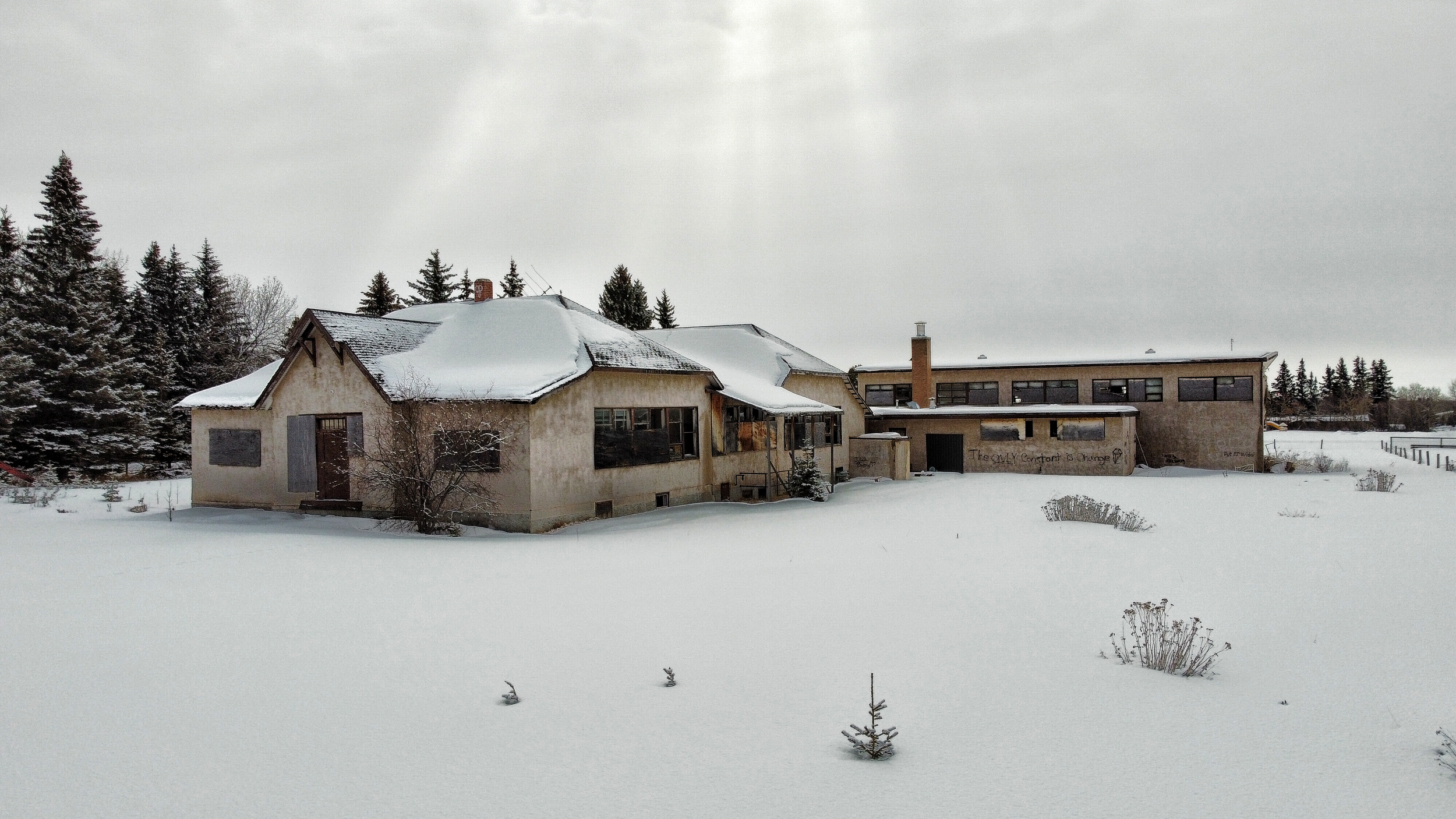
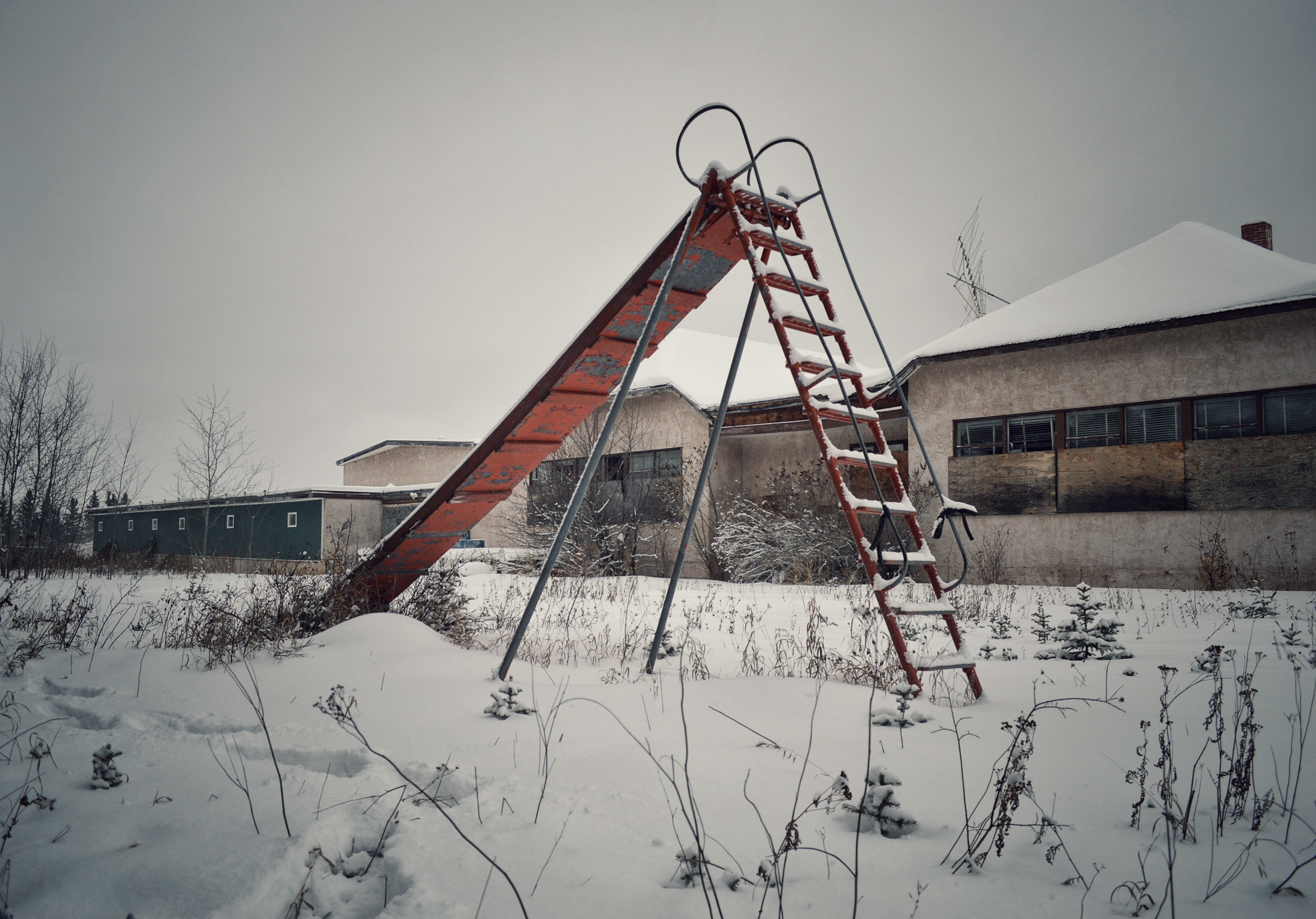
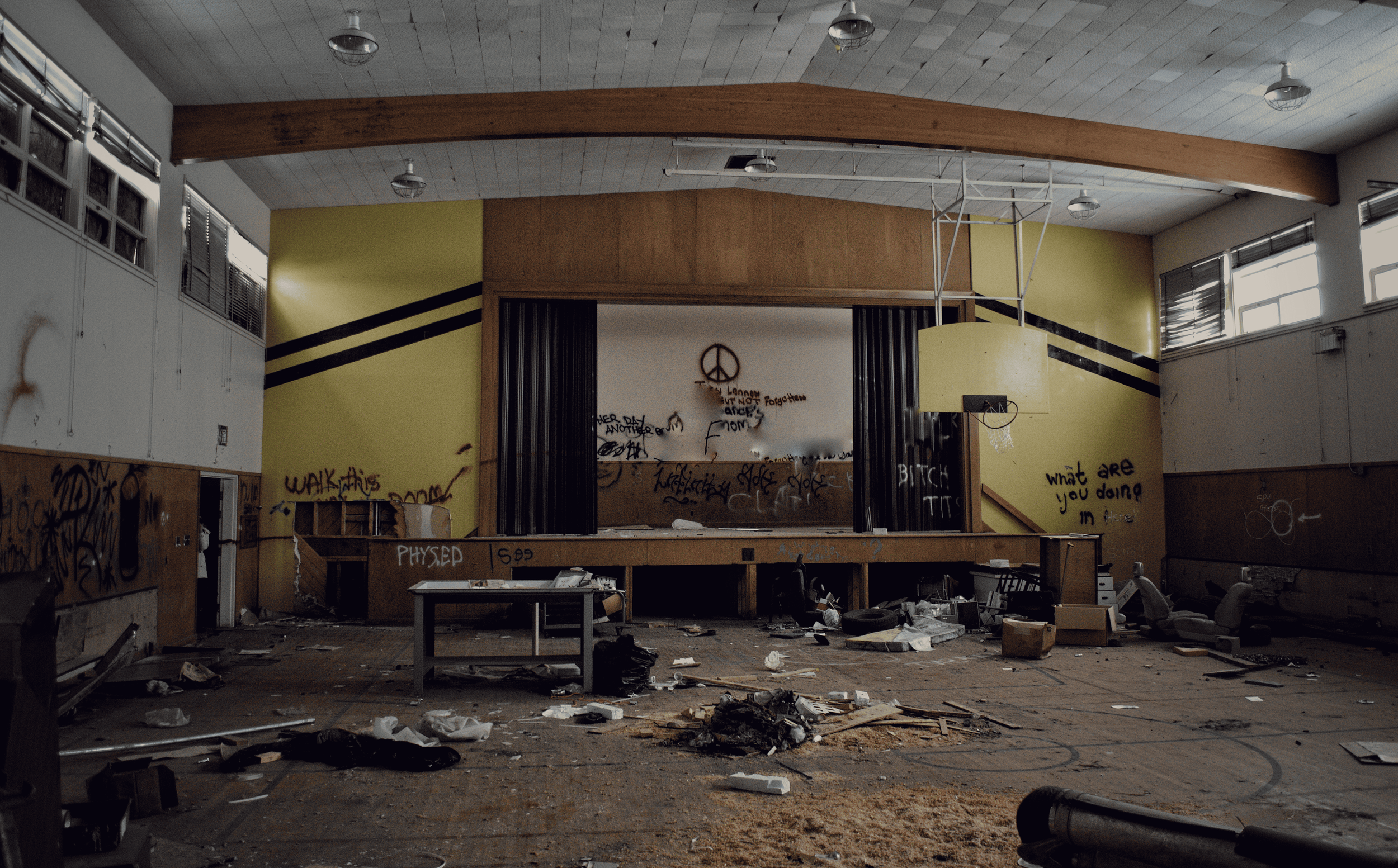
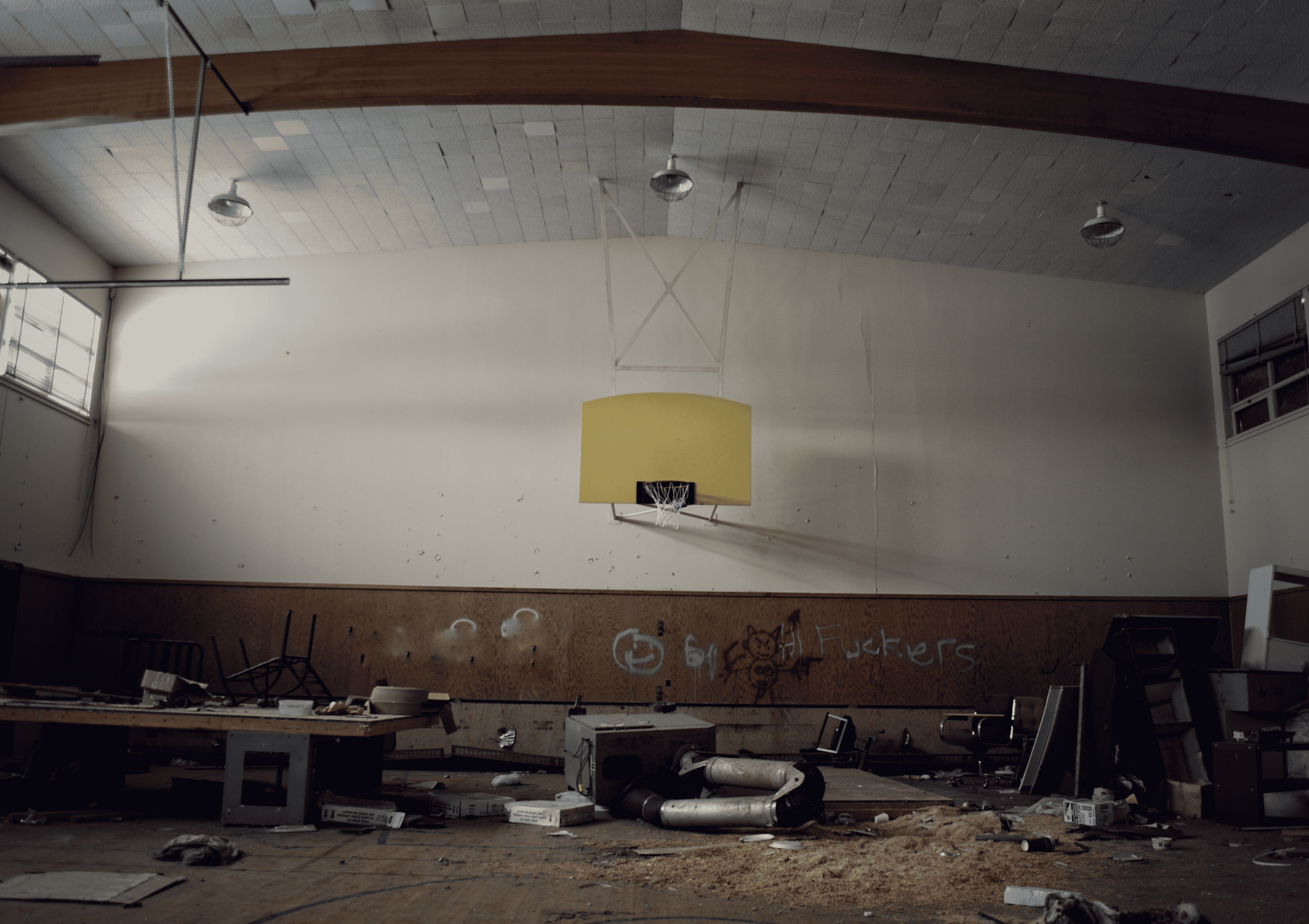
If you look closely at the photos, there’s something unusual about this one. It doesn’t seem cohesive. That’s because it’s actually a combination of two different schools that were merged together in the early 1950s. Over the years, multiple upgrades were added, but even those couldn’t prevent its closure in 1997.
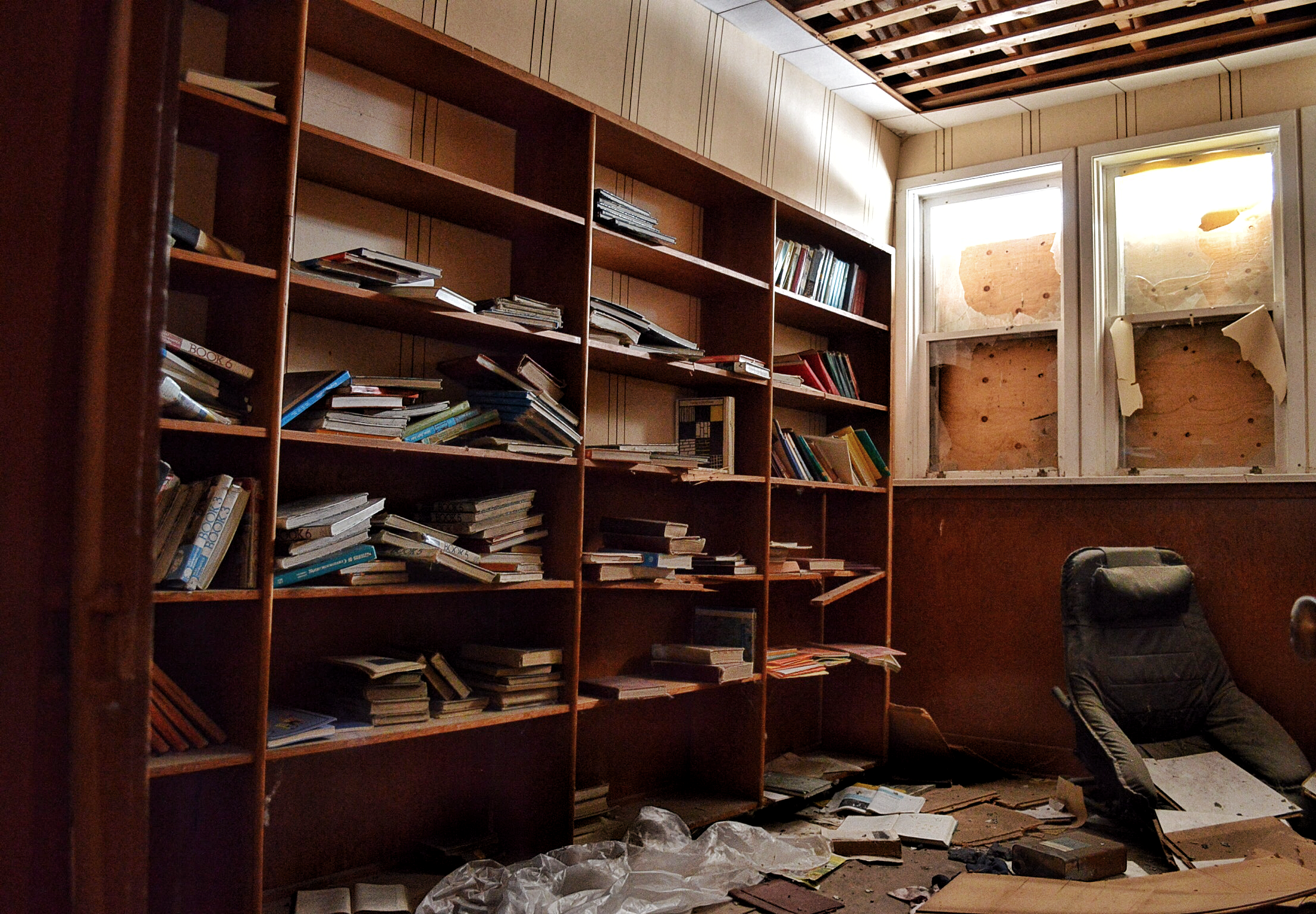
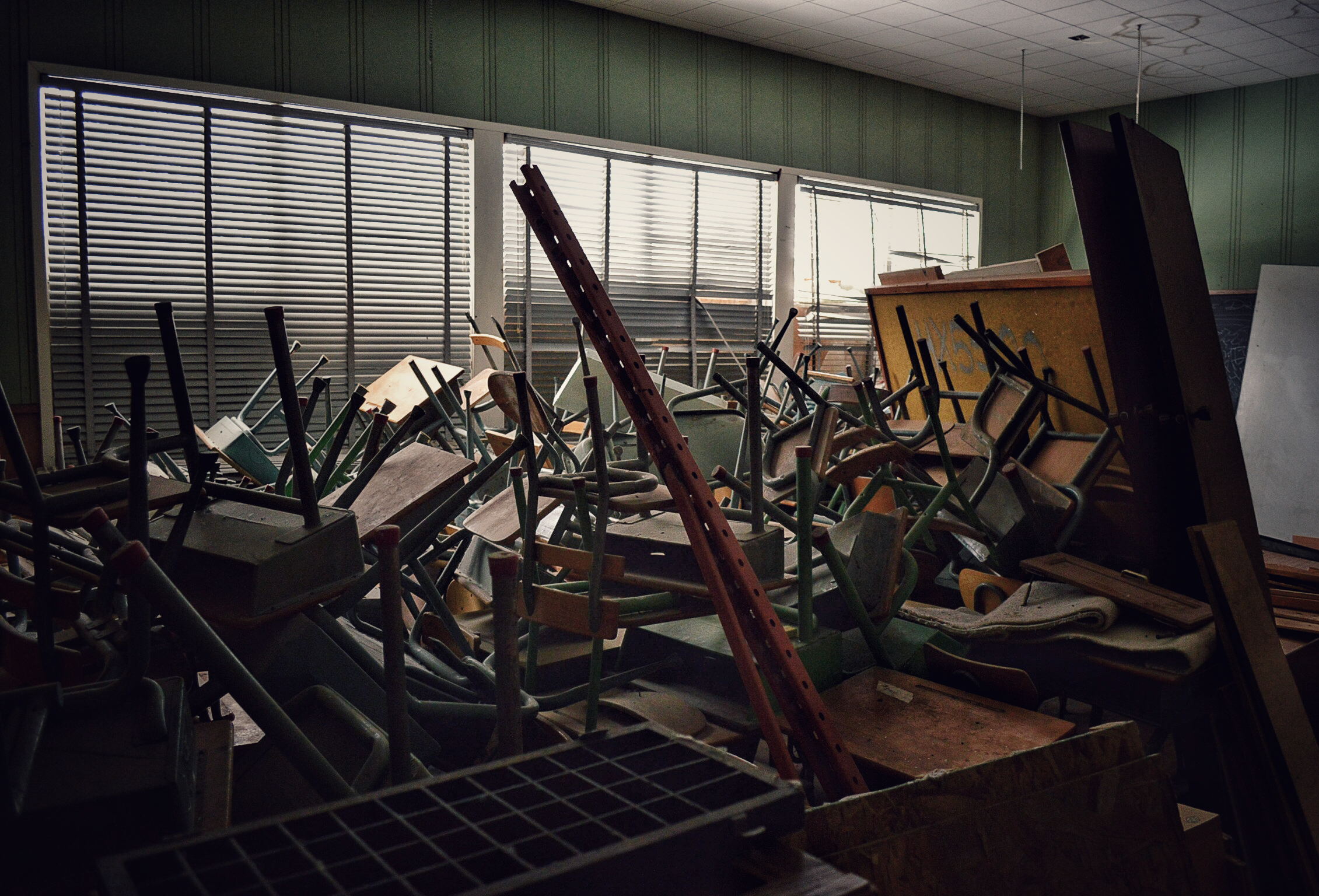
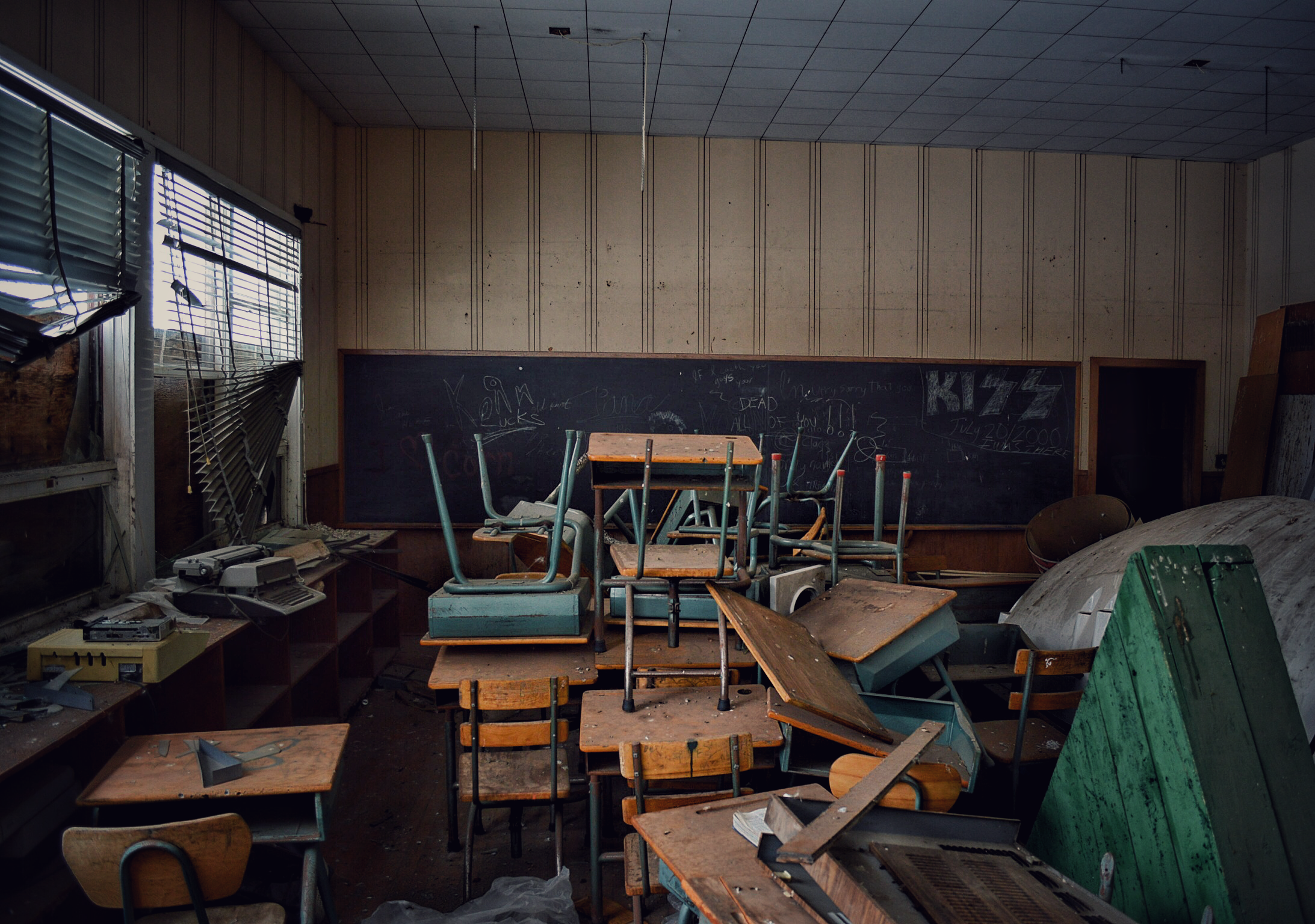
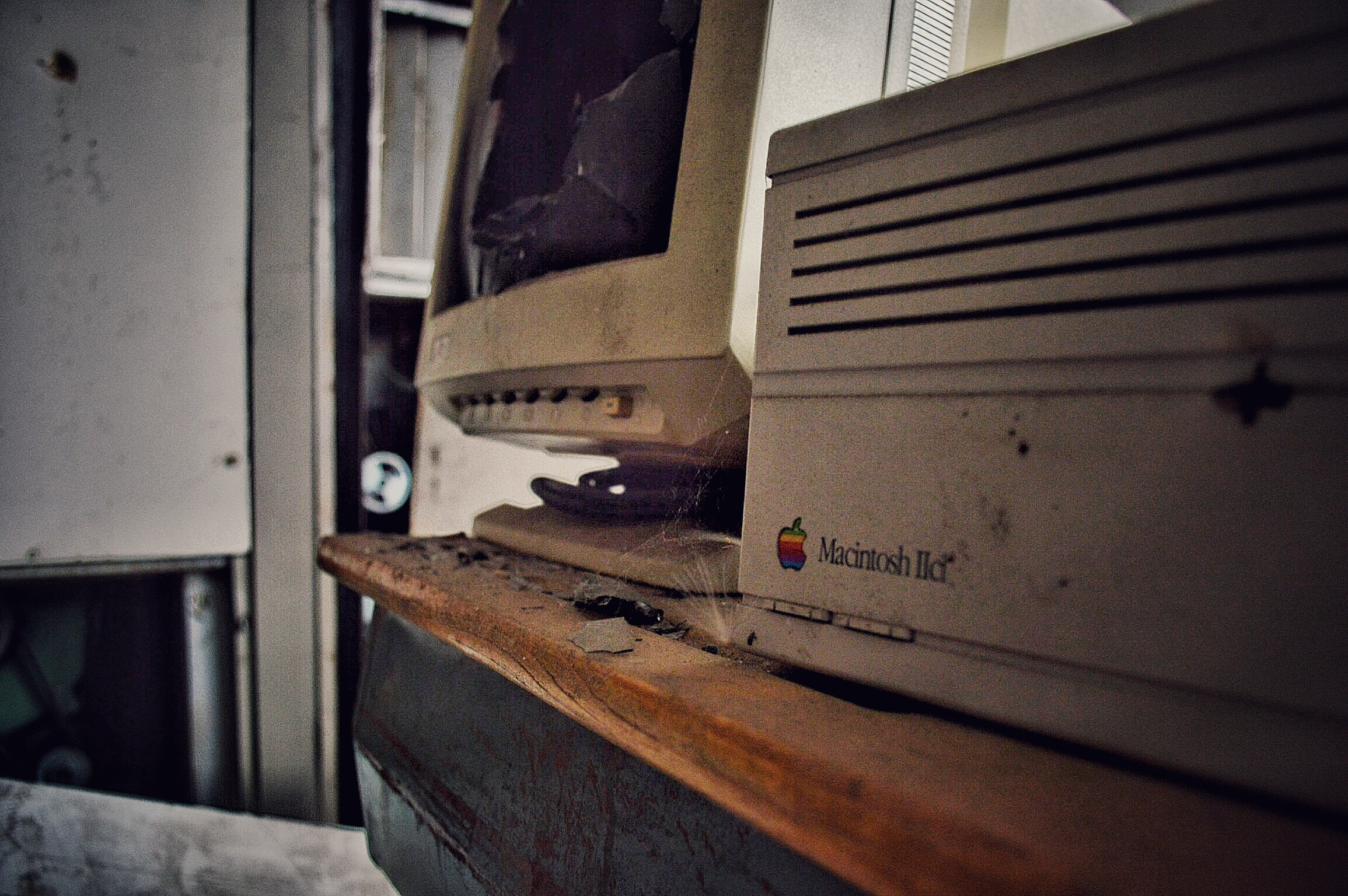
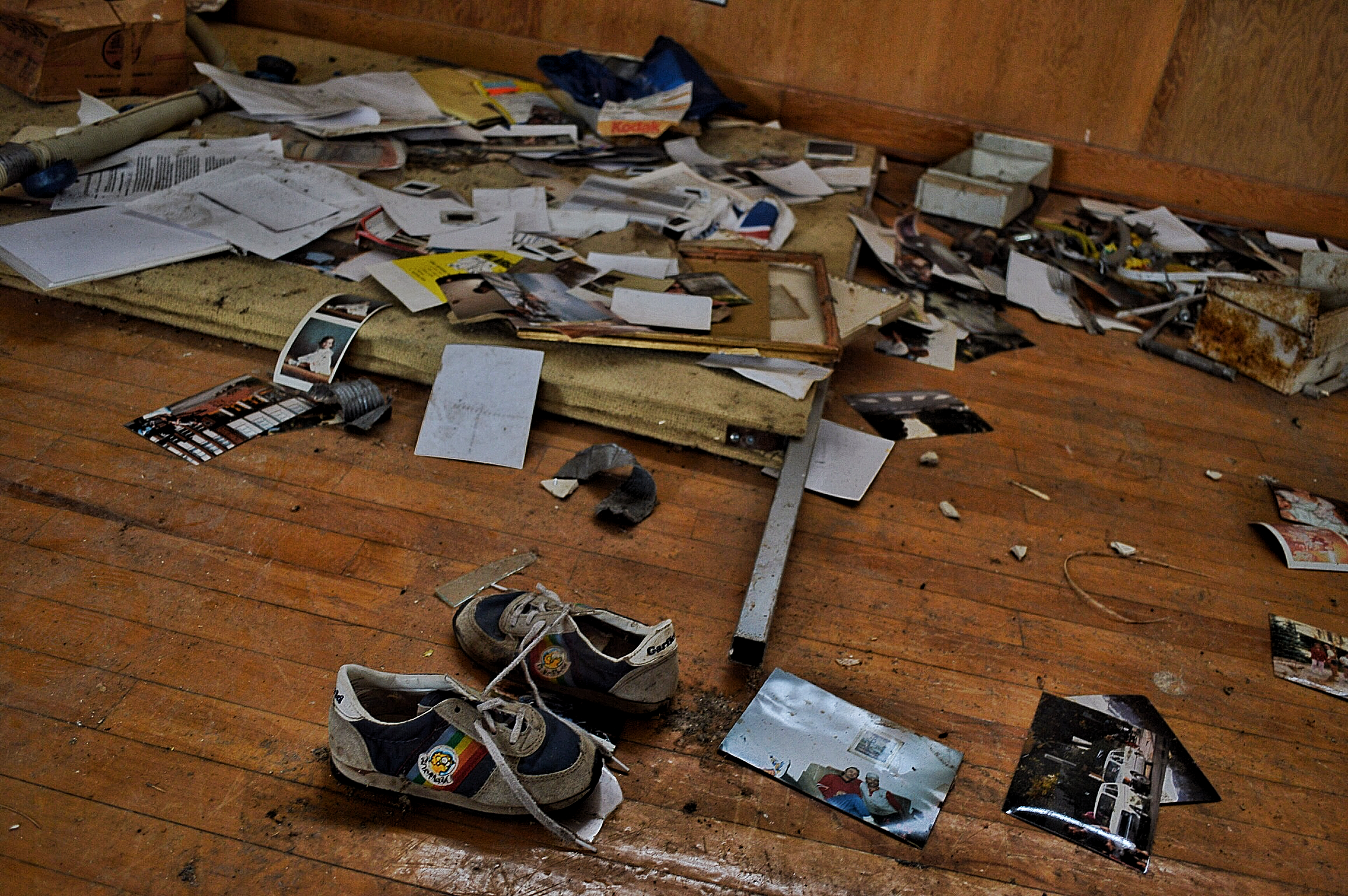
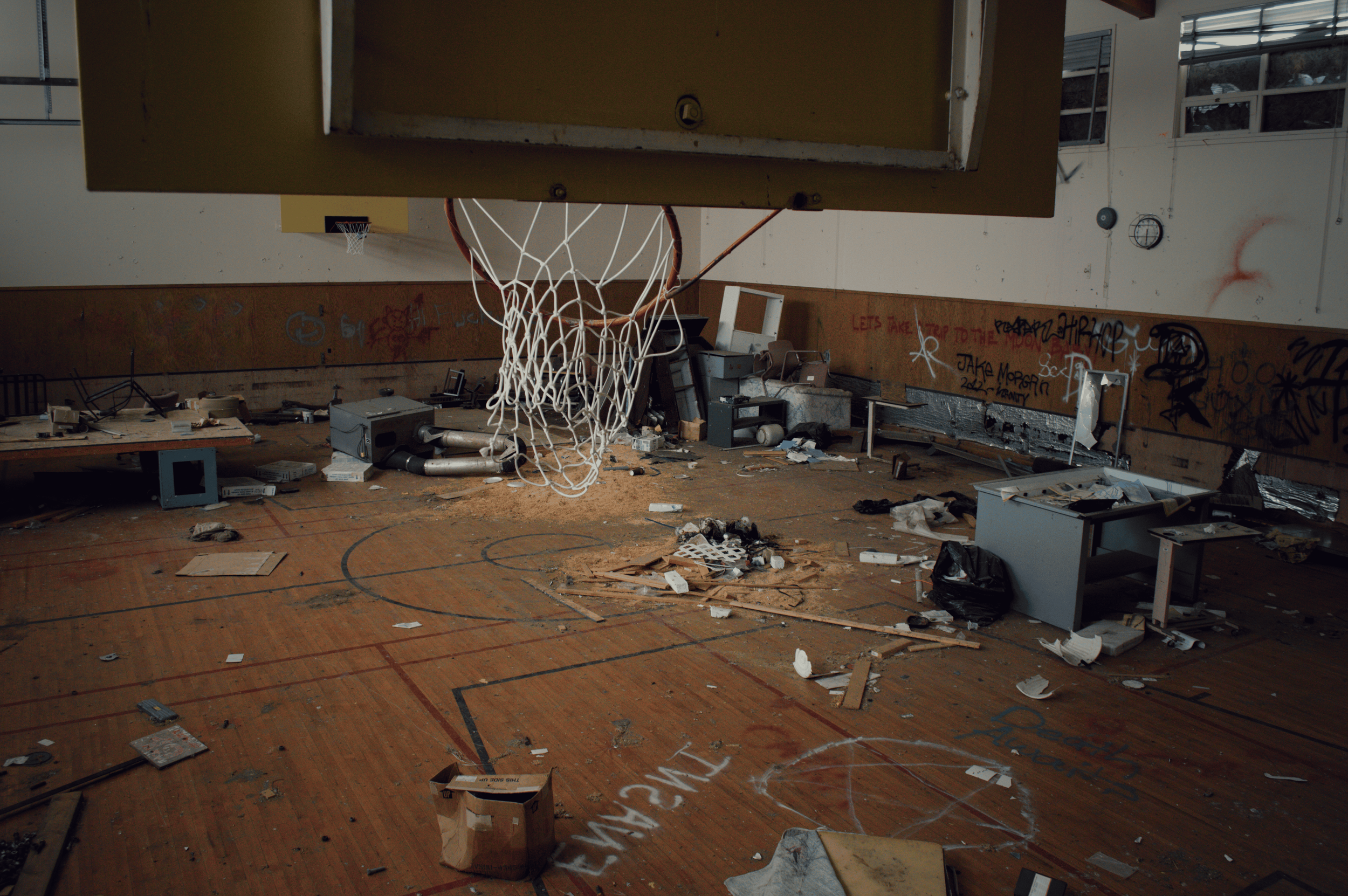
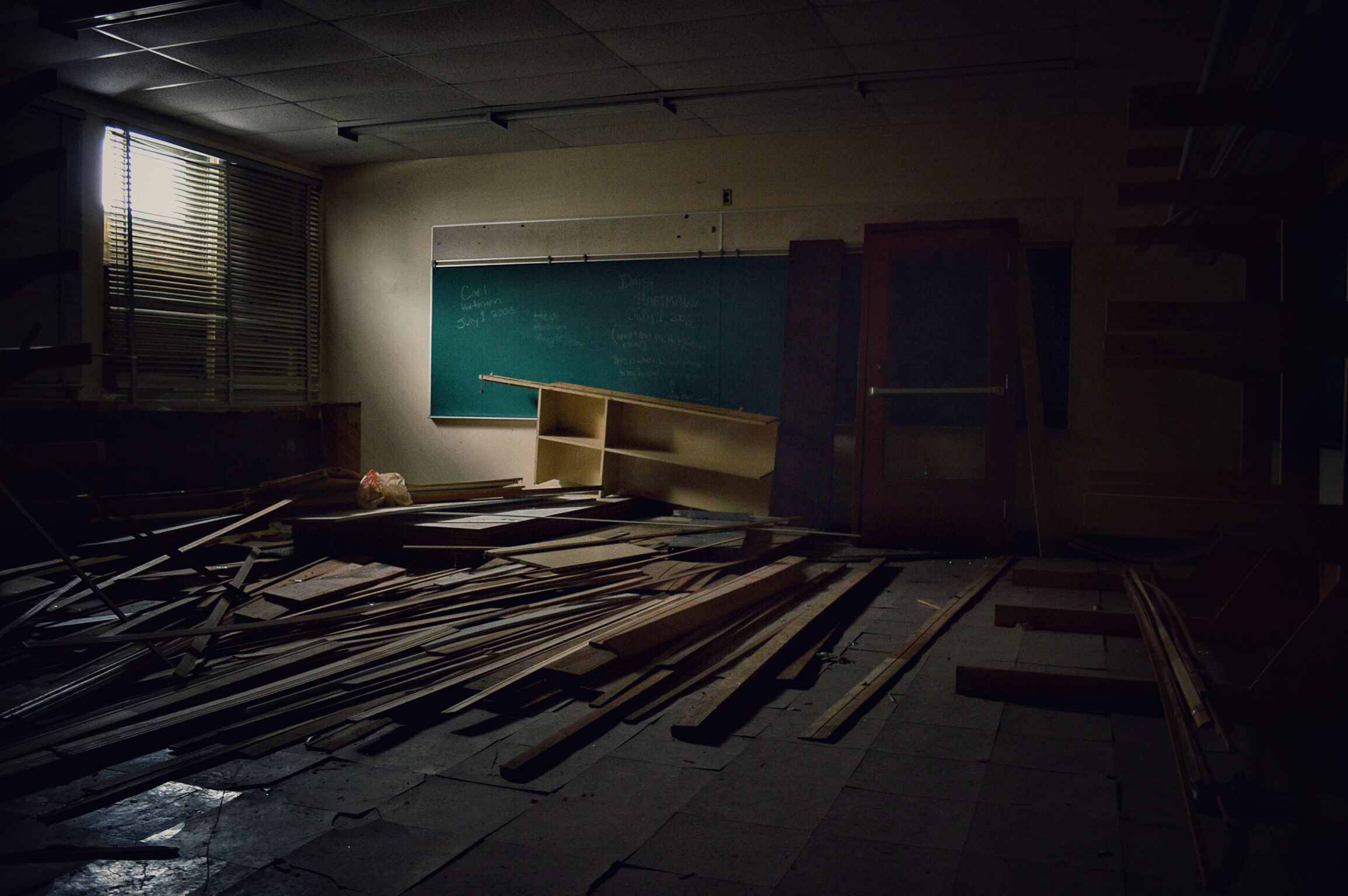
Now it sits in a sad state of vandalism and looted storage. The local antique shop owner in town shared fond memories of its better days, but looking at its current condition, she sighed and said, “I just wish they’d knock it down before someone gets hurt.”
Eva is a sweet old lady. She pulled out a dozen books about the county, and we chatted for hours about its history over a much-needed cup of coffee. I don’t always nail down the history of the sites I visit, but this one opened my eyes to the human stories in a deeply personal way. Places like this have stories that need to be told. I think that’s why, as Urbexers/Rurexers, we go to such great lengths to share them.